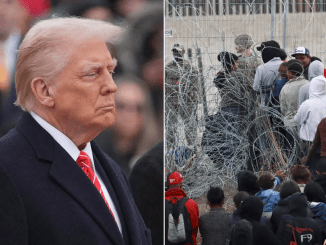
A growing movement among conservative lawmakers and activists in June 2025 is calling for the replacement of Pride Month with Veterans Month, arguing that honoring military service members should take precedence over celebrating LGBTQ+ identities. Championed by figures like Rep. Matt Gaetz (R-Fla.) and amplified by President Donald Trump’s base, the proposal has ignited a fierce debate over cultural priorities, national identity, and the role of federal recognition in a deeply polarized America. As Trump’s second term pushes “America First” policies, the idea underscores tensions between traditional values and progressive inclusivity.
The campaign argues that June, traditionally designated as Pride Month since the 1969 Stonewall riots, should instead celebrate veterans’ sacrifices. Supporters point to the 1.4 million active-duty service members and 18 million veterans, per 2024 VA data, as deserving recognition for their role in securing national freedoms. Gaetz, introducing a House resolution, cited the need to “recenter our values” amid controversies like the 2025 Los Angeles deportation protests and the Indiana teacher’s “8647” shirt incident. A 2025 Gallup poll shows 71% of Americans support greater veteran recognition, with 90% of Trump’s 2016 voters backing his cultural agenda.
Critics, including Rep. Alexandria Ocasio-Cortez (D-N.Y.), who holds a 46% favorability rating per a 2025 AtlasIntel poll, argue the proposal dismisses marginalized communities. Pride Month, formalized by President Bill Clinton in 1999, celebrates LGBTQ+ rights, with 7.6% of U.S. adults identifying as non-heterosexual, per a 2024 Gallup survey. Advocates like the Human Rights Campaign warn that erasing Pride Month fuels discrimination, especially as 2025 policies like visa revocations and 142,000 deportations target vulnerable groups. The ACLU notes 35 wrongful detentions in recent immigration sweeps, framing the proposal as part of a broader cultural rollback.
The idea taps into Trump’s agenda to redefine national priorities. His administration’s actions—FBI arrests of 10,000 undocumented migrants, the Safeguard American Voter Eligibility Act, and pardons for 1,500, including Capitol rioters—resonate with supporters who see Pride Month as a symbol of progressive overreach. The deployment of 2,000 National Guard troops to Los Angeles underscores this hardline stance. Yet, critics draw historical parallels to authoritarian erasure of minority voices, with only 13% of eighth graders proficient in U.S. history, per a 2023 NAEP report, leaving voters unaware of such precedents.
Legally, replacing Pride Month faces hurdles. Unlike Veterans Day, a federal holiday, Pride Month is a presidential proclamation, renewable annually. Trump could issue a Veterans Month proclamation, but Congress lacks authority to mandate it without bipartisan support, unlikely with a 53-47 Republican Senate majority. Economic arguments also clash: Pride events generate $4 billion annually, per a 2024 UCLA study, while veterans’ programs face a $12 billion VA funding gap, fueling demands for reprioritization.
As the 2026 midterms loom, the proposal galvanizes Trump’s base, with 62% of Americans favoring stricter cultural policies, per a 2024 Pew poll. Critics, however, warn of alienating moderates, with 55% in a 2025 Pew survey viewing Trump’s policies as excessive. The debate over replacing Pride Month with Veterans Month reflects a broader struggle: honoring sacrifice versus celebrating diversity. With tariffs raising household costs by $1,300 annually, per a 2025 Brookings study, and protests escalating, the push risks deepening America’s cultural divide.