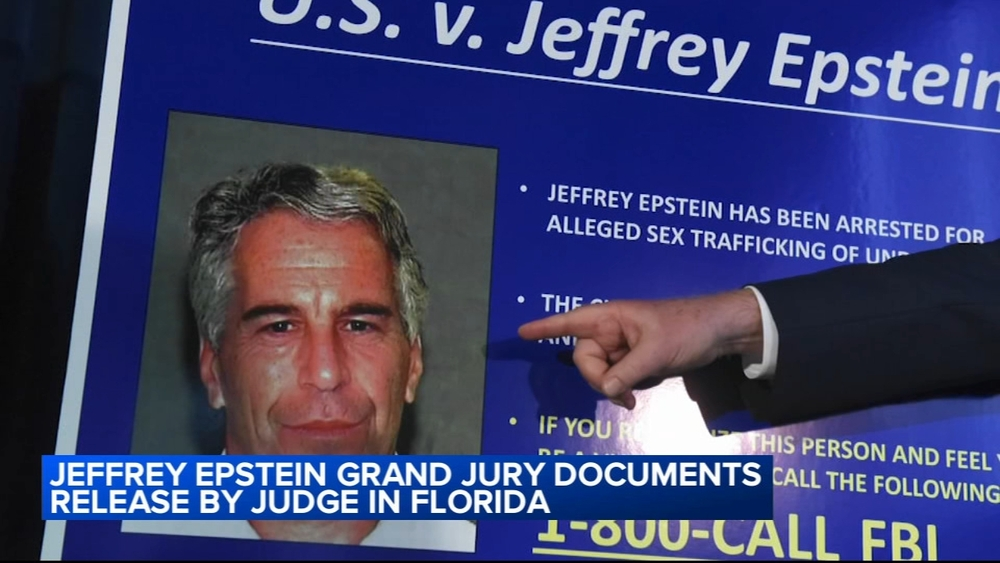
The call to release the so-called “Epstein list” has reached a fever pitch, with Americans across the political spectrum demanding transparency about the late Jeffrey Epstein’s network of high-profile associates. The disgraced financier, who died by suicide in 2019 while awaiting trial on sex trafficking charges, left behind a web of speculation about powerful figures allegedly tied to his crimes. Frustration is mounting over the slow drip of heavily redacted documents, fueling public insistence that the full truth—however damning—must come to light, as no one should be above the law.
In February 2025, Attorney General Pam Bondi released over 100 pages of Epstein-related files, including flight logs and a redacted “black book” of contacts, but the documents disappointed many for lacking new revelations. The Justice Department’s July 2025 memo further dampened expectations, stating no “client list” exists and that no evidence supports claims of Epstein blackmailing prominent individuals. Yet, public skepticism persists, driven by the fact that thousands of pages, including videos, remain under FBI review, with Bondi citing victim privacy as a reason for delays. The absence of a clear timeline for further releases has only intensified demands for unredacted records.
Epstein’s case, involving the abuse of over 200 underage girls, has long captivated the public due to his connections with figures like former Presidents Bill Clinton and Donald Trump, Prince Andrew, and others named in prior court filings. While these individuals have faced no charges and deny wrongdoing, their inclusion in documents—unsealed in batches since 2019—has fueled conspiracy theories about a cover-up. The 2024 release of 4,553 pages from Virginia Giuffre’s lawsuit against Ghislaine Maxwell named over 150 people, but most were victims, employees, or witnesses, not perpetrators, leaving many unsatisfied.
The public’s outrage is rooted in a belief that justice demands transparency, regardless of who is implicated. Advocates argue that withholding documents protects the powerful, undermining trust in institutions. The Justice Department’s insistence that no incriminating “client list” exists clashes with calls from lawmakers like Rep. Dan Goldman, who in May 2025 demanded full disclosure. Even conservative supporters, once hopeful for bombshells, expressed dismay when February’s release fell flat, with some accusing the FBI of stonewalling.
The Epstein saga exposes a broader tension: the public’s right to know versus the privacy of victims and uncharged individuals. While the DOJ emphasizes protecting minors’ identities, critics counter that redactions shield elites more than victims. With no further charges expected, per the July memo, the push for transparency may be the last chance for accountability. As the nation grapples with distrust in its institutions, the demand to release the Epstein files—unredacted and complete—reflects a unifying principle: no one, no matter how powerful, should escape scrutiny. The truth, many argue, is long overdue.