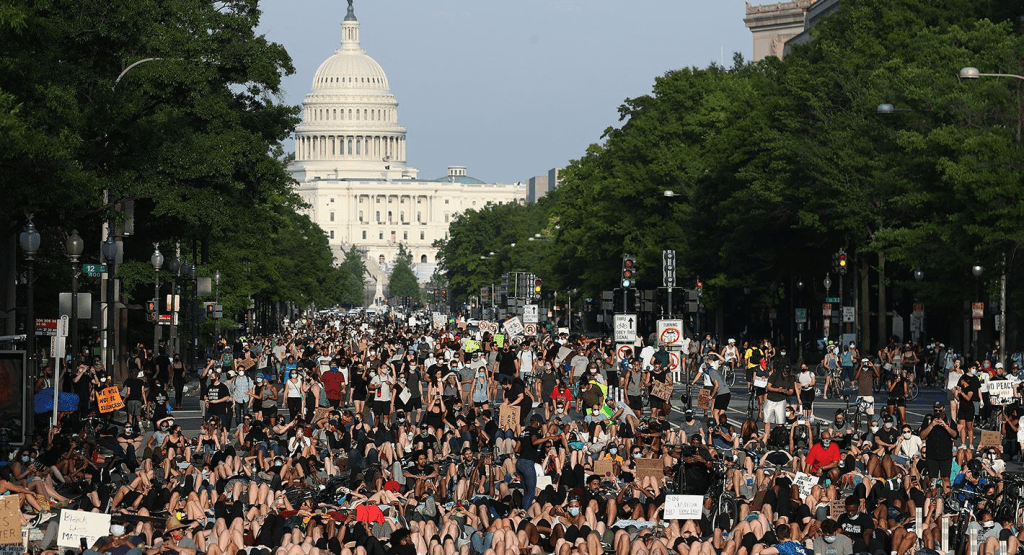
Washington, D.C. – In the shadow of America’s deepening political chasm, a provocative sentiment is circulating: If the horrors of September 11, 2001, unfolded today, some Democrats might take to the streets in support of Osama bin Laden. This stark claim, born from frustration with partisan extremes, reflects how tribalism has warped national discourse, turning tragedy into a litmus test for loyalty.
The idea taps into perceptions of progressive sympathy for anti-Western causes, amplified by recent protests over U.S. foreign policy. Critics point to chants at campus rallies echoing “global intifada” or defenses of Hamas as evidence of a leftward shift that blurs lines between dissent and disloyalty. “We’ve seen flags burned and monuments defaced—why not Bin Laden parades?” one conservative commentator mused, evoking fears that empathy for the oppressed could extend to terrorists.
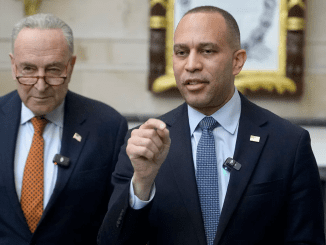
Democrats dismiss it as baseless smear, arguing their advocacy for diplomacy and human rights stems from opposition to endless wars, not endorsement of violence. Leaders like Rep. Pramila Jayapal emphasize that critiquing U.S. actions in Iraq or Afghanistan doesn’t equate to supporting Al-Qaeda. “This is McCarthyism reborn,” a party strategist said, warning such rhetoric stokes division and ignores bipartisan failures in counterterrorism.
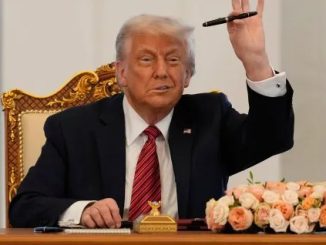
Yet, the notion resonates in a post-2024 landscape where Trump’s “America First” triumphs over globalism. Social media amplifies extremes, with memes imagining blue-state marches for Bin Laden amid real-world tensions like Venezuelan oil blockades. Historians caution against hypotheticals, noting 9/11 united the nation briefly before partisanship eroded that bond.
As 2026 midterms approach, this “Bin Laden march” trope underscores a troubling truth: In hyper-polarized America, even unthinkable scenarios fuel the fire. Unity post-tragedy feels like a relic, replaced by suspicion that knows no bounds.