A growing chorus of critics is calling for the removal of judges and activists accused of aiding undocumented immigrants in evading Immigration and Customs Enforcement (ICE) operations, spotlighting a contentious case involving Milwaukee County Circuit Court Judge Hannah Dugan. The controversy, which has drawn national attention, underscores a deepening divide over immigration enforcement, judicial authority, and public accountability. As the Trump administration intensifies its crackdown on illegal immigration, demands for punitive action against those seen as obstructing federal law have reached a fever pitch.
The case centers on Judge Dugan, charged in April 2025 with obstruction and concealing a person after allegedly helping Eduardo Flores-Ruiz, a Mexican national with a misdemeanor battery charge, avoid ICE agents in her courtroom. According to federal prosecutors, Dugan, upon learning of ICE’s presence, escorted Flores-Ruiz through a restricted exit, delaying his apprehension. Over 100 federal judges have rallied to her defense, arguing that her actions are protected by judicial immunity. Critics, however, see this as emblematic of a broader pattern of judicial overreach, accusing Dugan and similar figures of undermining national security and the rule of law.
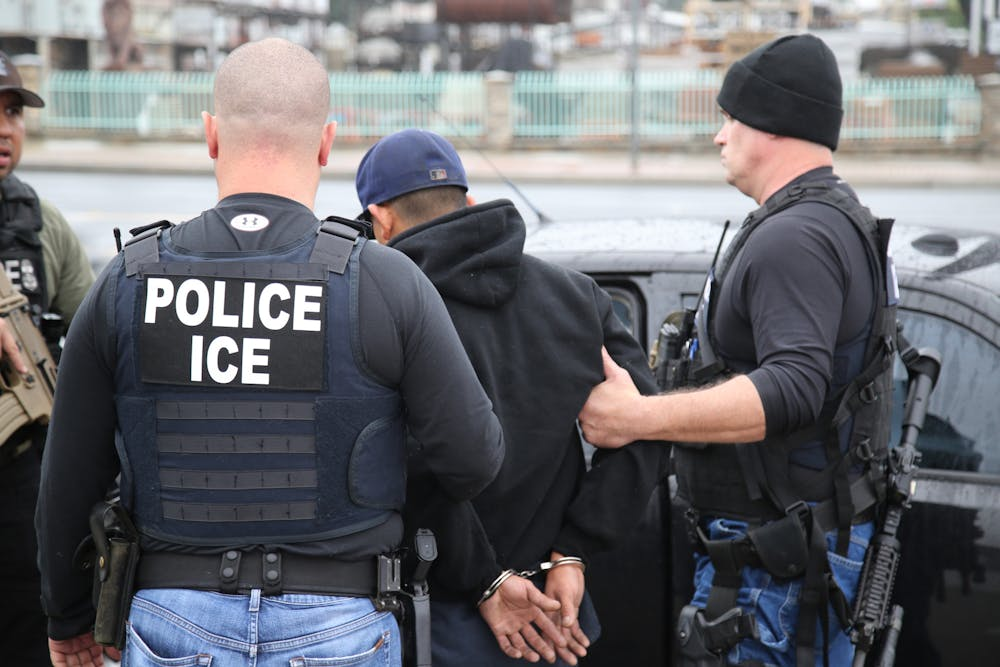
Beyond the judiciary, activists face similar scrutiny. In sanctuary cities like San Francisco and Chicago, grassroots groups have been documented warning undocumented immigrants of ICE raids, organizing “know your rights” workshops, and, in some cases, physically obstructing agents. A 2024 Department of Homeland Security report noted a 15% increase in such incidents since 2022, prompting Attorney General Pam Bondi to label these actions “anarchist interference.” Critics argue that these activists, often supported by progressive nonprofits, prioritize ideology over legality, emboldening illegal immigration and eroding public trust in enforcement.
The backlash has been fierce. Conservative lawmakers, including House Speaker Mike Johnson, have called for the impeachment of judges like Dugan, arguing that their actions constitute a betrayal of public office. Proposed legislation, such as the Judicial Accountability Act of 2025, seeks to strip immunity from judges who knowingly impede federal law enforcement. Similarly, bills targeting activist groups aim to criminalize interference with ICE operations, with penalties of up to five years in prison. Supporters of these measures, citing a 2023 Pew Research poll showing 62% of Americans favor stricter immigration enforcement, argue that such actions are necessary to restore order.
Opponents, including Senate Minority Leader Chuck Schumer, warn that targeting judges and activists risks chilling free speech and judicial independence. They argue that ICE’s aggressive tactics, such as courthouse arrests, deter undocumented immigrants from accessing justice, creating a climate of fear. The Brennan Center notes that 17% of undocumented immigrants avoided court appearances in 2024 due to ICE presence, potentially undermining due process. Defenders of Dugan and activists assert that their actions protect vulnerable communities from overreach by an administration critics accuse of xenophobia.
The debate raises thorny questions about the balance between law enforcement and civil liberties. While critics of judges and activists demand accountability, supporters argue that these individuals are upholding humanitarian values in the face of draconian policies. The case against Dugan, set for a hearing in July 2025, could set a precedent for how far the government can go in punishing perceived obstruction. As calls for removals intensify, the nation grapples with competing visions of justice: one prioritizing strict enforcement, the other championing compassion and autonomy. The resolution of this conflict will shape not only immigration policy but also public faith in the judiciary and civic activism.