The Public Broadcasting Service (PBS) announced a drastic 15% reduction in its workforce on September 4, 2025, eliminating over 100 jobs, including 34 immediate layoffs, in response to a $500 million cut in annual federal funding. The decision follows Congress’ passage of the Rescissions Act of 2025, which stripped $1.1 billion from public broadcasting, effectively dismantling the Corporation for Public Broadcasting (CPB) by January 2026. PBS Chief Executive Paula Kerger described the cuts as unavoidable, citing a 21% revenue loss that has forced “hard choices” to sustain operations.
The layoffs impact various programs, including those tied to the Department of Education’s Ready to Learn initiative, which lost funding. Kerger noted a major donor grant will support PBS News Hour and PBS Kids, but it’s insufficient to offset the financial blow. The cuts threaten local stations, with NPR’s CEO warning that 70-80 member stations, especially in rural and Native American communities, risk closure. Kentucky Educational Television, for instance, cut 22% of its staff, underscoring the broader crisis.
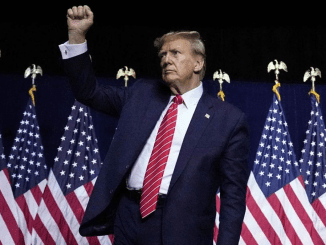
Critics, including Democratic lawmakers, argue the defunding reflects President Trump’s long-standing hostility toward public media, accusing it of bias. Supporters of the cuts, however, view them as eliminating taxpayer-funded “propaganda.” The debate has intensified, with some stations exploring private funding to survive. As PBS grapples with its future, the layoffs signal a turning point for public broadcasting, raising questions about its role in a polarized media landscape.