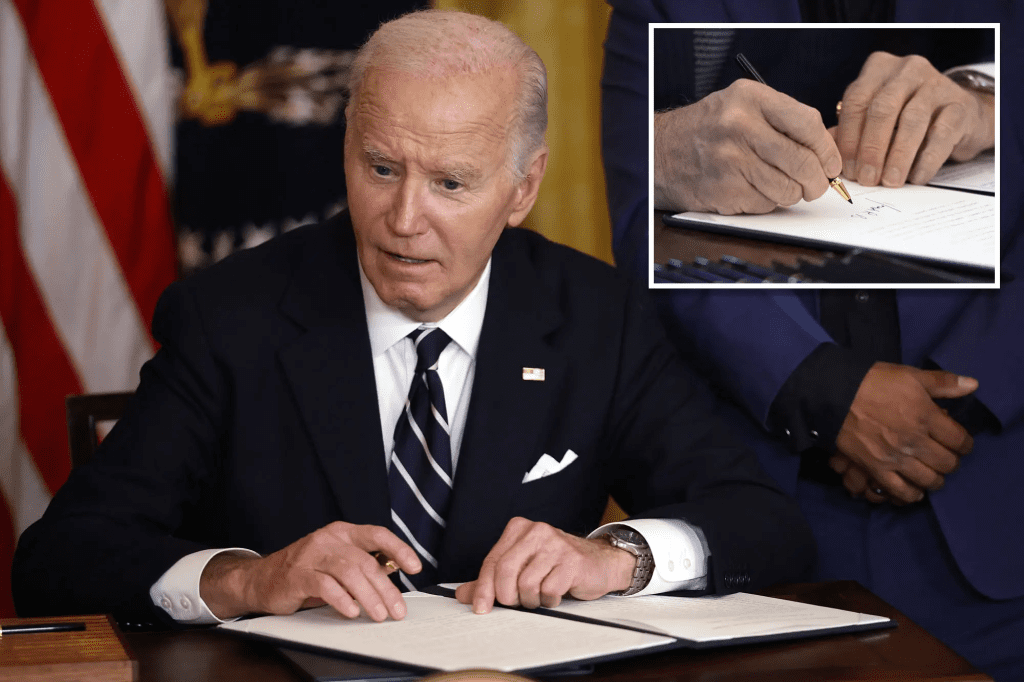
A firestorm of controversy has erupted over former President Joe Biden’s use of an autopen to sign over 1,500 pardons in his final days in office, with critics arguing that such a device—typically used for routine White House correspondence like fan mail—should not be used for weighty acts like granting clemency. The issue, spotlighted on July 14, 2025, prompted a dramatic congressional walkout, with members calling the pardons “illegitimate” and demanding their revocation.
Biden’s pardons, which included high-profile figures like Dr. Anthony Fauci and former Rep. Liz Cheney, were signed using an autopen, a mechanical device that replicates signatures. Critics, led by Republican lawmakers, contend this undermines the constitutional gravity of pardons, accusing Biden’s team of bypassing direct presidential oversight. They argue that autopen use, while common for letters or ceremonial documents, trivializes a power meant to reflect deliberate executive judgment.
Biden’s team defends the practice, noting that every pardon was personally approved by the president, with the autopen used for efficiency due to the volume of clemency orders. Legal scholars point out that autopen signatures have been used by presidents like John F. Kennedy and Barack Obama for official acts, and the Constitution does not require handwritten signatures. Courts have historically upheld such pardons, making revocation unlikely.
The controversy fuels broader distrust in political processes, with Republicans framing it as evidence of Democratic overreach. As investigations loom, the debate tests the boundaries of executive authority and public trust. Critics insist pardons demand personal accountability, not mechanical shortcuts, while supporters see the uproar as partisan posturing. The clash over autopen pardons underscores a divided nation grappling with the limits of presidential power.