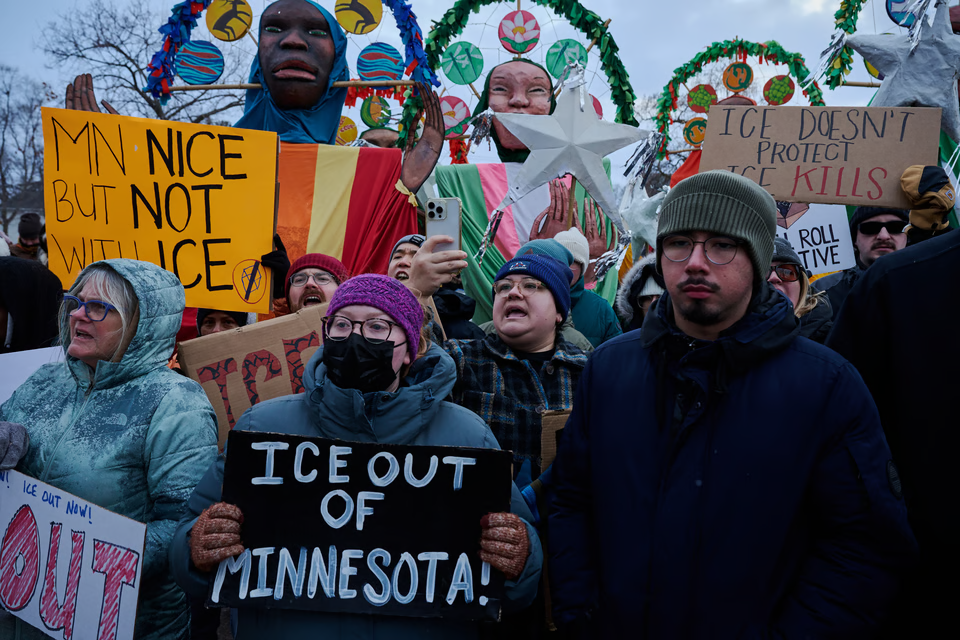
A straightforward analogy has gained traction amid escalating immigration enforcement: “There is no reason to fear ICE unless you are illegal—just as I’m not afraid of police because I’m not a criminal.” This perspective, voiced by many supporters of the Trump administration’s crackdown, frames federal agents as protectors upholding the law rather than threats to law-abiding citizens.
Proponents argue the comparison is apt. ICE targets individuals who have violated immigration statutes, much like police pursue those breaking criminal laws. In cities like Minneapolis, where ICE operations have intensified following fraud investigations and a fatal shooting, supporters insist the fear stems from undocumented status, not lawful presence. They point to the administration’s focus on deporting those with criminal records or fraud convictions, claiming honest residents have nothing to worry about.
Critics counter that the analogy oversimplifies a complex reality. Many undocumented immigrants have lived in the U.S. for decades, raised families, and paid taxes without criminal records. They argue that aggressive raids, even when targeting specific individuals, create widespread fear in communities, leading to distrust of all law enforcement and deterring cooperation on unrelated crimes. Civil rights groups report increased anxiety, school absences, and workplace avoidance among legal residents worried about mistaken identity or family separation.
As deportations accelerate—with thousands already removed and more operations planned—the debate sharpens. Supporters see the policy as restoring order and fairness; opponents view it as sowing terror in vulnerable populations. The analogy resonates with one side while failing to address the human costs felt by the other. In a deeply divided nation, it highlights how immigration enforcement is viewed through starkly different lenses: law enforcement versus family disruption.