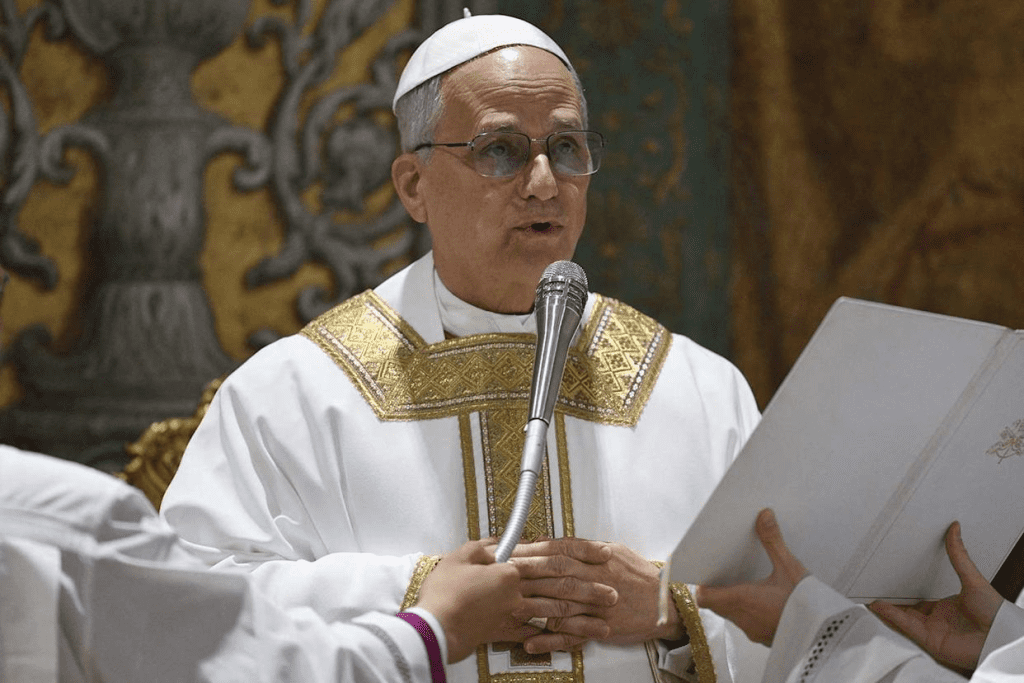
In an era of mounting international crises, Elon Musk has once again positioned himself at the epicenter of geopolitical discourse—not with a direct statement, but with a single, high-impact repost. On Wednesday, the billionaire tech mogul shared a post by Pope Leo XIV, the newly elected and first American pope in history, who issued a heartfelt appeal for the Vatican to serve as neutral ground for peace talks among warring nations.
The post struck a chord across digital platforms, but it was Musk’s silent amplification of the message that set off a wave of reactions, signaling a potential shift in how global diplomacy might be conducted in the coming years.
While Musk offered no caption, comment, or elaboration, his decision to elevate the Pope’s message was far from neutral. In a world where a single post by Musk can move markets and shape political narratives, his digital endorsement carried unmistakable weight. The timing of his repost was particularly notable, given ongoing criticisms of the United Nations for its lackluster response to escalating global conflicts—from the war in Ukraine to the deepening humanitarian catastrophe in Gaza, and the renewed trade tensions between superpowers.
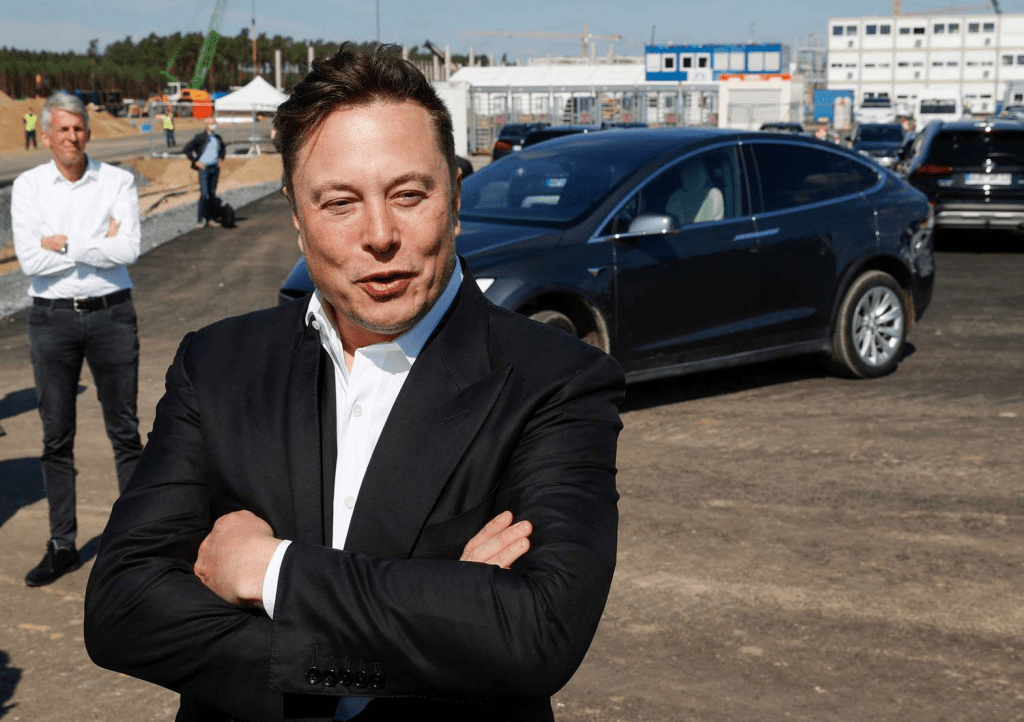
To some observers, Musk’s repost was a clear statement: the UN has failed to deliver, and the Vatican may be the alternative the world needs.
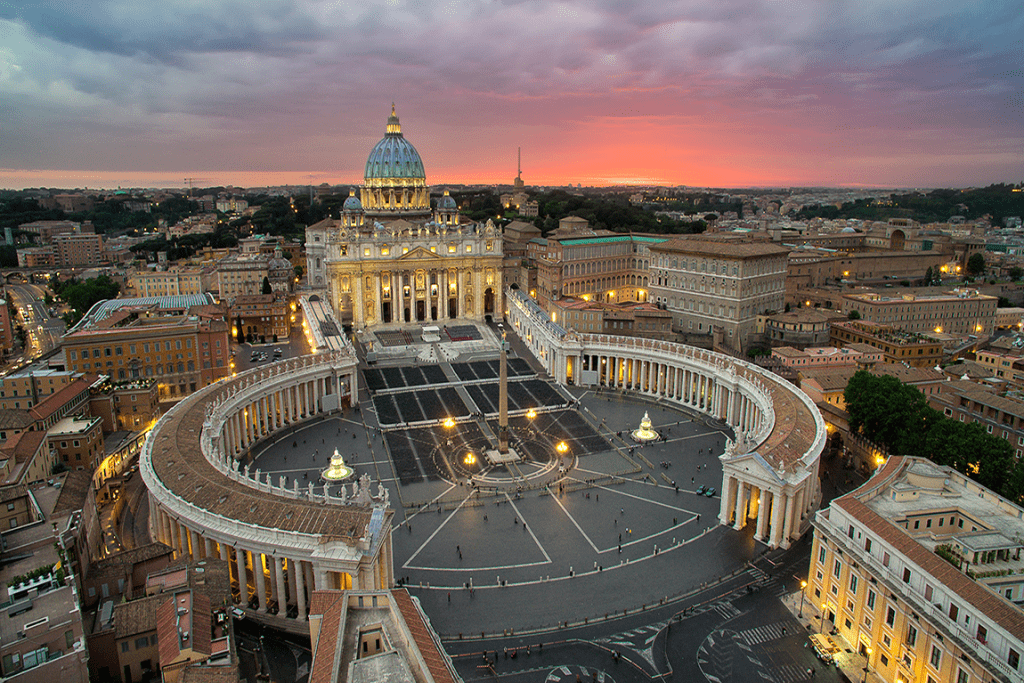
Pope Leo XIV’s message was simple, yet profound. “With heart in hand, I say to the leaders of nations: let us meet; let us dialogue; let us negotiate!” the pontiff wrote, extending an open invitation to global leaders. He made it explicitly clear that the Holy See, long regarded as a symbol of moral authority and spiritual neutrality, is prepared to host international dialogue.
This marks a notable expansion of the Vatican’s role in modern geopolitics, echoing past instances in history when the Church played a critical role in mediating Cold War tensions and facilitating secret diplomacy.
The context of Musk’s apparent endorsement adds another layer of significance. The CEO of Tesla and SpaceX, and owner of X (formerly Twitter), Musk has never hesitated to weigh in on political matters—from supplying Starlink to Ukraine, to directly engaging in U.S. domestic politics, often with polarizing effect.
His platform is now not just a social media outlet but a global communications artery, making his selective amplification of the Pope’s post even more meaningful.
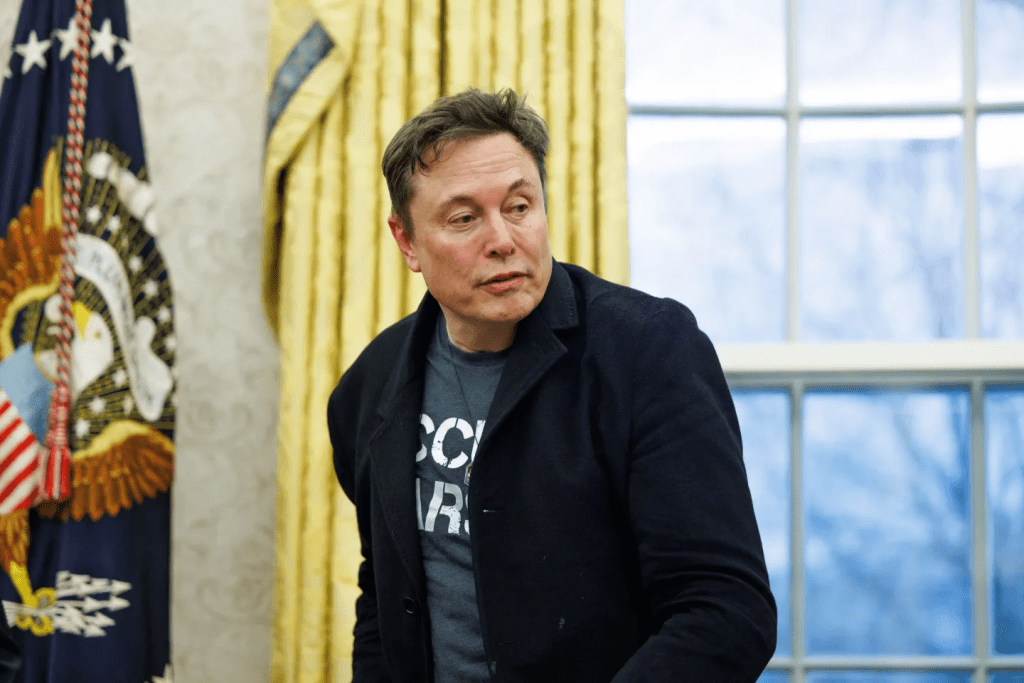
For many, the implication was clear: Elon Musk no longer believes in the efficacy of the United Nations. Over the past year, the UN has faced mounting criticism for its inability to enforce resolutions, navigate veto power gridlocks within the Security Council, or even coordinate effective humanitarian aid.
The Gaza crisis, in particular, has exposed the institution’s limitations, with repeated ceasefire calls going unheeded and basic aid failing to reach civilians. Meanwhile, in Ukraine, diplomatic stalemates persist despite mounting casualties and international fatigue.
Within minutes of Musk’s repost, commentators flooded X with speculation and support. “The Vatican should be the meeting place for the world, not the UN,” one user declared, garnering thousands of likes and retweets. Others praised the Holy Father’s vision, emphasizing the need for a truly neutral ground—untainted by political alliances or economic interests—where real dialogue could occur.
“We should accept negotiations and communicate in a friendly manner!” one post read. Another user described the idea as a “wonderful opportunity,” noting the increasing scarcity of genuine neutral territory for peace negotiations in today’s polarized landscape.
Interestingly, some users interpreted Musk’s signal as part of a broader strategy to influence the future of global governance. With trust in traditional institutions at an all-time low, tech leaders like Musk may be positioning themselves as facilitators of new forms of diplomacy—leveraging reach, influence, and infrastructure in ways previously reserved for states and international organizations.
Just as he has disrupted space travel, electric vehicles, and digital communications, Musk may now be testing his influence in the diplomatic sphere.That influence is not uncontroversial. Critics quickly pointed out the implications of a private tech mogul like Musk weighing in on matters of international mediation. Some questioned whether his backing of the Vatican was symbolic or strategic—meant to provoke the UN or pressure Western governments to rethink their diplomatic forums.