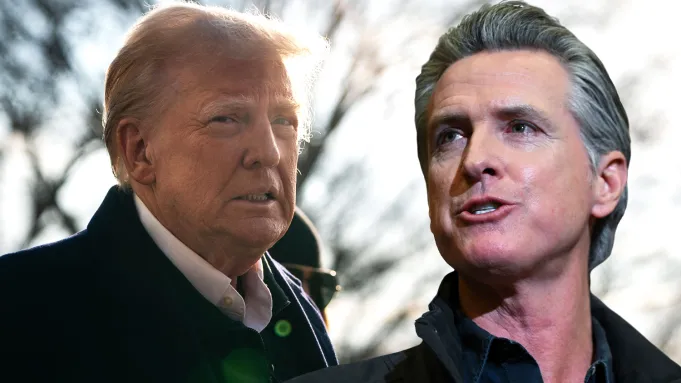
California Governor Gavin Newsom has thrown down a bold gauntlet, suggesting the state could halt federal tax payments if President Donald Trump follows through on threats to cut federal funding. The provocative statement, made amid escalating tensions over Trump’s immigration raids and policy clashes, underscores California’s economic clout but ignores the legal and practical barriers to such a move. As the nation’s largest donor state, California’s defiance is grabbing headlines, but experts say Newsom’s gambit is more bluster than blueprint.
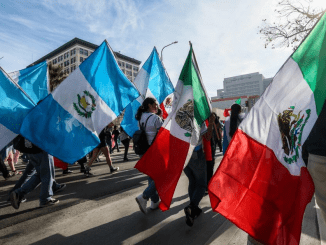
The feud intensified after reports surfaced that Trump is considering slashing federal grants to California, potentially targeting its university system, which receives $7.3 billion annually. Newsom fired back, highlighting that California contributes $83 billion more in federal taxes than it receives—$692 billion paid versus $609 billion returned in 2022. “Maybe it’s time to cut that off,” he declared, framing the state as the federal government’s financial backbone. The threat comes as Los Angeles reels from riots over ICE raids, which caused $5.2 million in damages and left 47 officers injured.
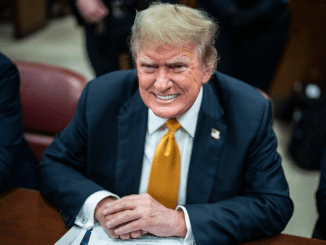
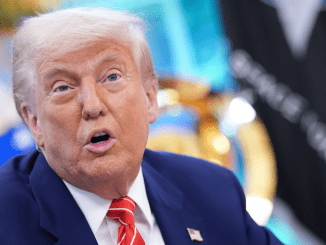
Trump’s administration has justified potential cuts by blasting California’s “soft-on-crime” and “pro-sanctuary” policies, with White House spokesperson Kush Desai calling them “lunatic.” Trump has a history of targeting the state, recently threatening fines over transgender athletes in girls’ sports and cutting $126 million in flood prevention funds. California, the world’s fourth-largest economy, is a frequent punching bag for Trump, who sees its progressive policies as defiance. With 48% of Americans backing his ICE crackdown, the president has political leverage to press his case.
Newsom’s tax boycott idea, however, is a legal nonstarter. Federal taxes are collected directly from individuals and businesses, not state coffers, and withholding them would constitute tax evasion. Treasury Secretary Scott Bessent warned that Newsom’s plan is “criminal,” noting that businesses and payroll managers face personal liability for non-payment. California’s $806 billion in federal taxes last year—nearly double Texas’s contribution—flows through the IRS, leaving the state with no mechanism to block it. Newsom’s office later clarified he isn’t urging individuals to skip taxes but is exploring ways to “protect” state interests.
Practically, the threat is equally shaky. California relies on $170 billion in federal grants for schools, Medicaid, and infrastructure. Cutting taxes would invite retaliation, potentially gutting programs like Medi-Cal, which serves 15 million residents. A boycott could also tank the national economy, given California’s $4.1 trillion GDP, but it would devastate the state first, with its $68 billion budget deficit already straining resources. Analysts see Newsom’s rhetoric as political theater, aimed at rallying Democrats and positioning himself for a 2028 presidential run.
Critics argue Newsom’s focus on tax threats distracts from addressing California’s internal chaos. Riots, rising crime (up 11% in LA last year), and a homelessness crisis with 75,000 on the streets paint a grim picture. Trump’s supporters, buoyed by 52% approval in battleground states, say Newsom’s policies enable lawlessness, justifying funding cuts. Democrats counter that Trump’s moves are vindictive, punishing a state that voted against him in 2024.
As both sides dig in, Newsom’s tax boycott talk is less a plan than a rallying cry. Legal barriers, economic risks, and federal power make it a long shot, but it highlights California’s frustration with being targeted. For now, the standoff is a high-stakes game of chicken, with Trump holding the bigger stick and Newsom betting on bravado.