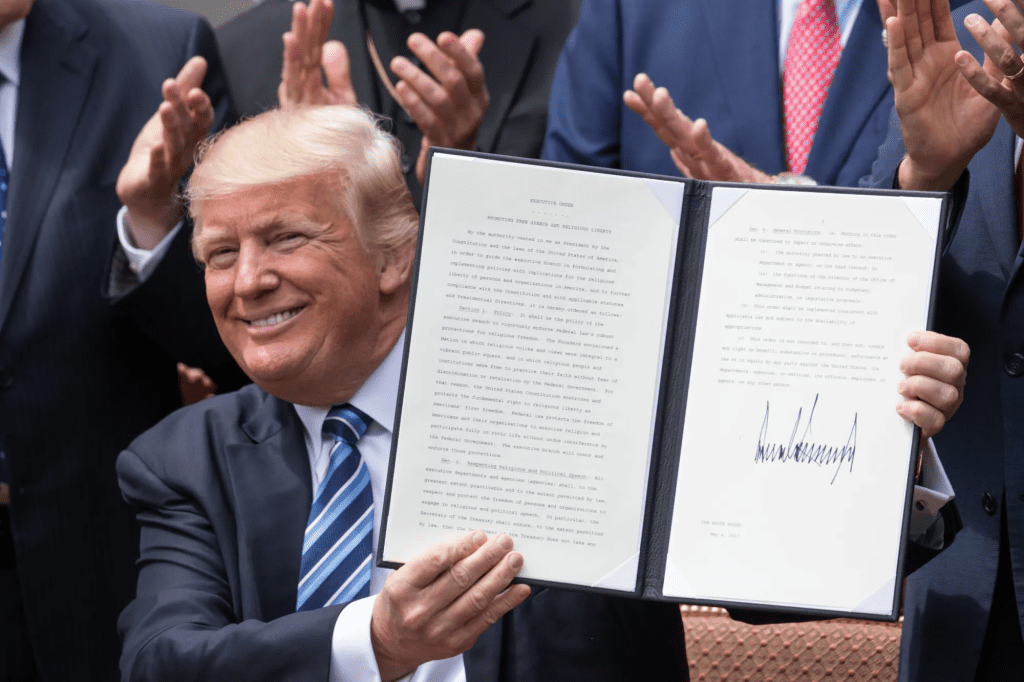
Washington, D.C. – As cultural tensions simmer across the United States, a growing chorus calls for a nationwide ban on Sharia law, framing it as a safeguard against foreign legal influences eroding American values. The debate gained fresh urgency with Florida Gov. Ron DeSantis’s December 2025 executive order rejecting “alternative religious law” in state affairs, echoing similar moves in Texas and Alabama. Proponents argue Sharia—Islamic principles governing personal and community matters—poses a threat to constitutional supremacy, citing rare cases of arbitration in family disputes that allegedly undermine women’s rights or equality.
Supporters, including conservative lawmakers like Sen. Ted Cruz, view a federal ban as essential to prevent “creeping Sharia” in courts or schools. “We must protect our Judeo-Christian foundations,” Cruz stated during a Senate hearing, pointing to European examples where Sharia councils operate parallel to civil law. Polls show 55% of Republicans favor such measures, driven by fears of extremism amid rising immigration from Muslim-majority nations.
Opponents decry the proposal as Islamophobic overreach that violates First Amendment protections for religious freedom. Muslim advocacy groups like CAIR argue Sharia is no different from Jewish Halakha or Catholic canon law, used voluntarily in private matters without supplanting U.S. statutes. “This isn’t about law—it’s scapegoating a minority,” said CAIR’s Nihad Awad, noting no state recognizes Sharia as binding. Legal experts warn a ban could lead to broader restrictions on religious practices, from kosher food to faith-based arbitration.
The push aligns with Trump’s second-term agenda, where cultural policies dominate. Bills in Congress seek to prohibit foreign law in federal courts, but passage remains uncertain amid filibuster threats. As states enact local bans, the question lingers: Does America need protection from Sharia, or is the real danger intolerance? In a diverse nation, the answer could redefine religious liberty.