A pointed message circulating widely online captures a growing conservative argument: “Dear liberals! ICE did not bring chaos to your cities. Chaos brought ICE to your cities. Hope this helps!” The sentiment reflects frustration among supporters of the Trump administration’s aggressive immigration crackdown, who insist federal agents are responding to existing problems rather than creating them.
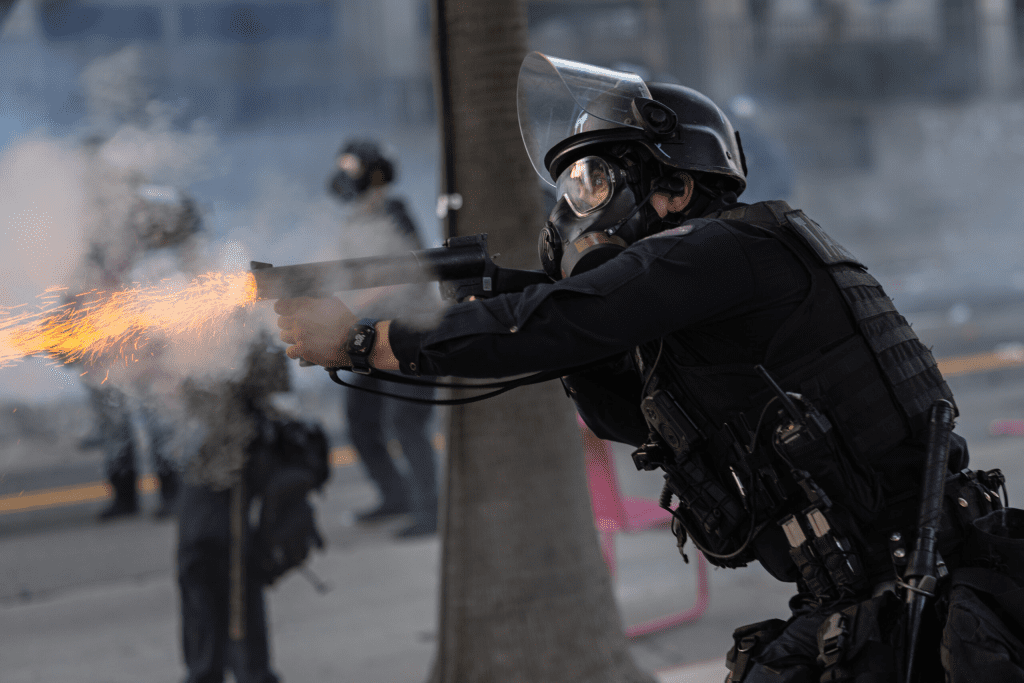
In cities like Minneapolis, Chicago, and Los Angeles, recent ICE operations—including raids tied to massive fraud investigations and deportations—have sparked protests, clashes, and accusations of overreach. Critics of sanctuary policies argue that years of lax enforcement, non-cooperation with federal authorities, and tolerance of undocumented populations have allowed crime, fraud, and disorder to fester. They point to specific cases: billions allegedly siphoned from welfare programs in Minnesota, repeated vehicle assaults on ICE agents, and communities where distrust of law enforcement has grown. In this view, ICE is not the instigator but the consequence—deployed to restore order where local leaders have failed.
Supporters of sanctuary cities counter that ICE raids themselves generate fear, disrupt families, and provoke unrest. They argue that federal agents arrive with overwhelming force, conduct broad sweeps, and escalate tensions in neighborhoods already wary of authority. Protests in Minneapolis following a fatal shooting during an ICE operation have drawn national attention, with some calling the response heavy-handed and others viewing it as necessary self-defense.
The back-and-forth highlights a fundamental divide: one side sees immigration enforcement as the solution to long-standing chaos, the other sees it as the cause of new turmoil. As deportations accelerate and more agents flood targeted areas, the question remains whether federal action is cleaning up disorder or importing it. For many, the answer depends on which came first—the problem or the response.