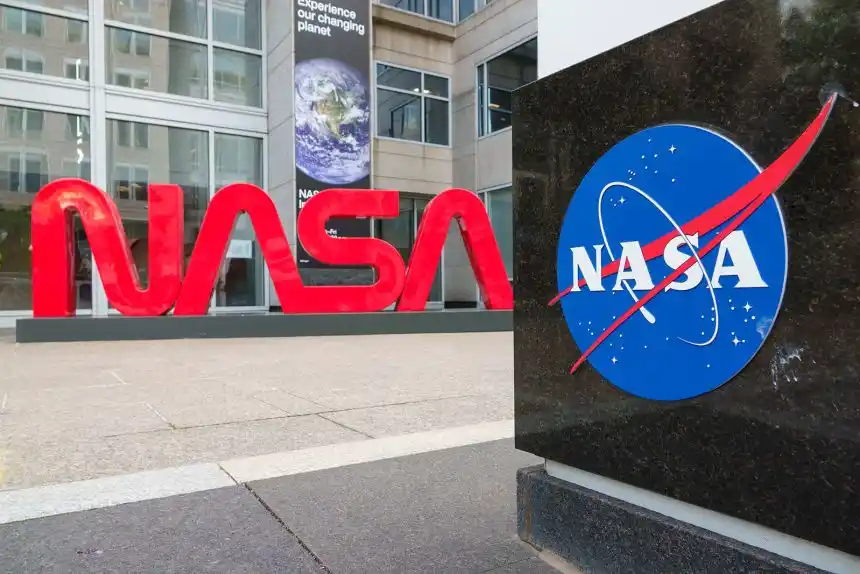
In a significant escalation of U.S.-China tensions, NASA has implemented a policy barring Chinese nationals holding U.S. visas from participating in its programs, effective September 5, 2025. The restriction, confirmed by agency spokesperson Bethany Stevens, prohibits these individuals from accessing facilities, materials, networks, or even virtual meetings, citing national security concerns. Previously, Chinese visa holders could contribute as contractors, graduate students, or researchers on non-sensitive projects, but this new measure closes that door entirely.
The move underscores the intensifying rivalry between the two space powers, as both nations vie for lunar dominance. NASA’s acting administrator, Sean Duffy, emphasized the stakes during a September 11 press conference, stating, “We’re in a second space race right now. The Chinese want to get back to the moon before us. That’s not going to happen.” China aims to land astronauts on the lunar surface by 2030, challenging NASA’s Artemis program, which targets a 2027 return.
Critics, including scientific organizations, warn the ban could disrupt ongoing collaborations and hinder innovation. Chinese-born researchers, many with U.S. visas, have played key roles in fields like astrophysics and planetary science. The policy echoes broader Trump administration efforts to curb technology transfers, amid fears of espionage. Bloomberg reports that affected individuals were abruptly locked out of IT systems and meetings, stalling projects and careers.
Chinese officials condemned the action as discriminatory, while NASA insists it safeguards sensitive data. As the U.S. pushes for American leadership in space, the ban highlights the geopolitical costs of competition, potentially isolating global talent in a field built on international cooperation.