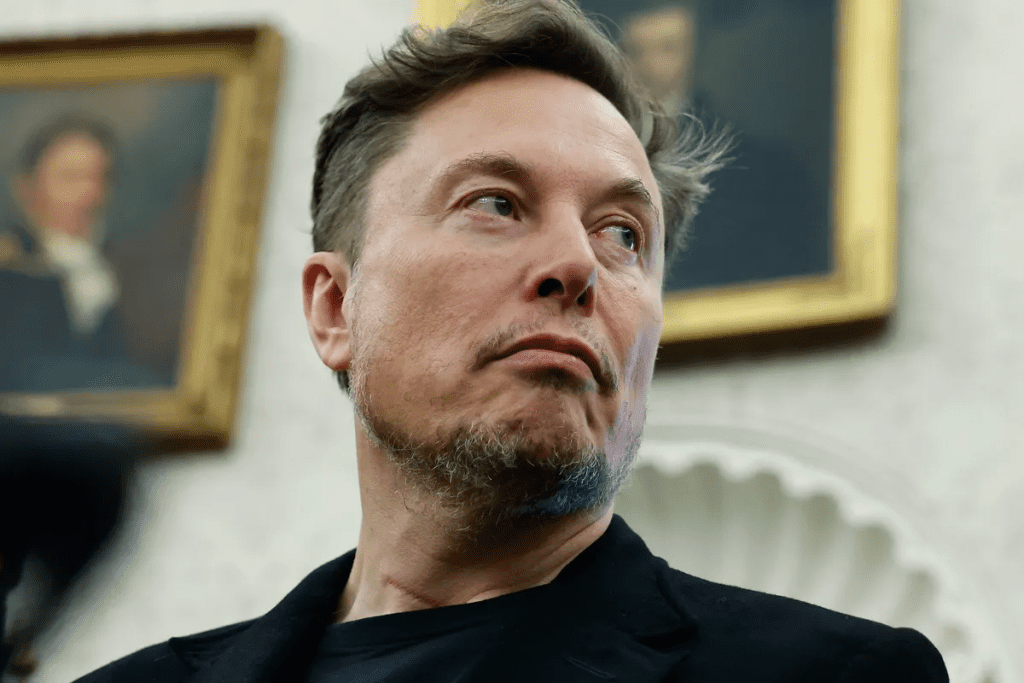
Explosive allegations published by The New York Times on May 30, 2025, claim that Elon Musk, while a key advisor to President Donald Trump during the 2024 campaign and head of the Department of Government Efficiency (DOGE), was heavily using drugs, including ketamine, ecstasy, psychedelic mushrooms, and Adderall. Sources report Musk’s ketamine use was so intense—sometimes daily—that it reportedly damaged his bladder, a known side effect of chronic abuse, per a 2022 NIH study. The revelations, detailed by The Guardian and others, raise grave questions: Was Trump aware of Musk’s alleged substance abuse? Did it influence DOGE’s sweeping federal cuts? And should Trump himself face scrutiny over his cognitive stability and potential exposure to these substances?
Musk’s role in DOGE, slashing $500 billion in spending and 260,000 federal jobs, per doge.gov, gave him unprecedented influence. His erratic behavior—insulting cabinet members, making a Nazi-like gesture at a rally, and garbling interviews—fueled speculation about his state of mind, per Rolling Stone. The Times, citing insiders, notes Musk carried a medication box with 20 pills, including Adderall, though it’s unclear if he used drugs while leading DOGE. His $275 million campaign donation and close proximity to Trump, per Forbes, amplify concerns about whether a potentially impaired advisor shaped national policy, endangering security.
Trump’s knowledge of Musk’s alleged drug use is unconfirmed. On May 30, Trump called Musk “fantastic” and denied awareness of any substance issues, per USA Today. The White House, via Harrison Fields, praised Musk’s DOGE work but sidestepped drug allegations, per The Times. Critics, including Sen. Elizabeth Warren, argue that if Trump knowingly allowed an impaired Musk to wield power, it constitutes a “reckless failure,” per MSNBC. A 2025 Pew poll shows 54% of Americans question the administration’s vetting, especially after controversies like the deportation of a U.S. citizen toddler.
Further scrutiny falls on Trump himself. His own cognitive stability has been questioned, with a 96% federal court loss rate in May, per Stanford, and erratic remarks, like dismissing Joe Biden’s cancer diagnosis, per CNN. Calls for Trump to undergo substance testing, while speculative, stem from Musk’s alleged drug proximity. No evidence suggests Trump used or was exposed to substances, but 57% of independents in an NBC poll demand transparency about his health. The administration’s 52% “right track” rating, per Rasmussen, and 93% border crossing drop, per CBP, do little to quell doubts.
If Musk’s alleged drug use influenced DOGE’s chaotic cuts—like USAID’s 80% grant terminations, linked to 300,000 deaths, per Boston University—it could constitute a national security breach. SpaceX’s advance notice of Musk’s drug tests, per The Times, raises questions about accountability. Democrats demand probes, but GOP control of Congress makes action unlikely, per Politico. Musk’s May 28 exit from DOGE, citing Tesla’s needs, and his dismissal of the Times as “false” for its 2016 Russia coverage, per CBS News, dodge the core issue: Was America’s government entrusted to an unstable advisor?
The allegations, while unproven in court, cast a shadow over Trump’s judgment. If substantiated, they suggest a failure to safeguard national interests, prioritizing loyalty over competence. As lawsuits against DOGE’s $38 billion in cuts mount, per NPR, the public deserves answers about who truly held the reins.