The streets of Los Angeles are picking up the pieces after what was billed as a “peaceful” protest turned into a costly spree of destruction, leaving city officials and residents questioning the label. Burned-out storefronts, shattered windows, and graffitied walls now scar neighborhoods, with repair estimates climbing into the millions. The irony isn’t lost on locals: if this was peace, why is the city cleaning up a warzone?
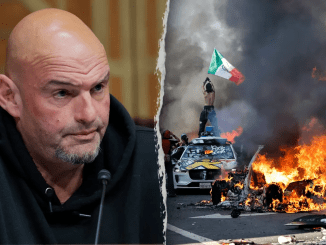
The protest, initially organized to oppose recent ICE operations in the city, began with passionate but orderly demonstrations. Thousands gathered downtown, chanting for immigrant rights and decrying the Trump administration’s deportation push. But as night fell, the mood shifted. Groups broke off, targeting businesses along Wilshire Boulevard and Hollywood. By morning, at least 18 shops were looted, three vehicles were torched, and public property—including a historic mural—was defaced. The damage, pegged at $5.2 million and rising, has left small business owners reeling and taxpayers on the hook.
City officials are scrambling to respond. Mayor Karen Bass condemned the violence, noting that the destruction undermines the protesters’ message. “This isn’t about free speech; it’s about vandalism,” she said, announcing plans to deploy additional police to prevent further chaos. The Los Angeles Fire Department reported responding to 12 fire-related incidents tied to the protest, stretching resources thin. Cleanup crews are now working overtime to restore order, with costs expected to burden an already strained city budget.
The businesses hit hardest tell a human story. A family-owned taqueria in Echo Park, a fixture for 20 years, lost its entire front window and most of its inventory to looters. The owner, Maria Gonzalez, described the scene as “heartbreaking,” noting that her insurance may not cover the full loss. Nearby, a vintage clothing store was set ablaze, leaving its owner—a single mother—unsure if she can rebuild. These aren’t corporate chains; they’re the livelihoods of hardworking Angelenos, many from the very communities the protesters claim to champion.
The “peaceful” label, often used to downplay such incidents, is raising eyebrows. Witnesses report that while most protesters were nonviolent, a smaller group—some masked and carrying makeshift weapons—escalated the situation. Police arrested 47 individuals, with charges ranging from vandalism to arson. Yet, critics argue law enforcement’s slow response allowed the chaos to spread, pointing to orders to avoid heavy-handed tactics as a factor. The result? A city left to repair not just property but its sense of safety.
This isn’t Los Angeles’ first brush with protest-related damage. The 2020 riots following George Floyd’s death left similar scars, costing the city over $100 million. The pattern raises tough questions: when does a protest cease to be peaceful, and why do communities bear the cost? Some residents, frustrated by the recurring cycle, are calling for stricter enforcement, while others argue the root issues—economic inequality and immigration fears—fuel the unrest.
The cleanup effort is underway, but the broader fallout lingers. Businesses are boarding up, wary of more unrest as ICE operations continue. Community leaders are urging calm, but tensions remain high, with some planning counter-protests to support law enforcement. Los Angeles, a city built on diversity and resilience, now faces the challenge of healing its streets and its divisions. If this was a “peaceful” protest, the damage tells a different story—one of loss, anger, and a city left to rebuild.