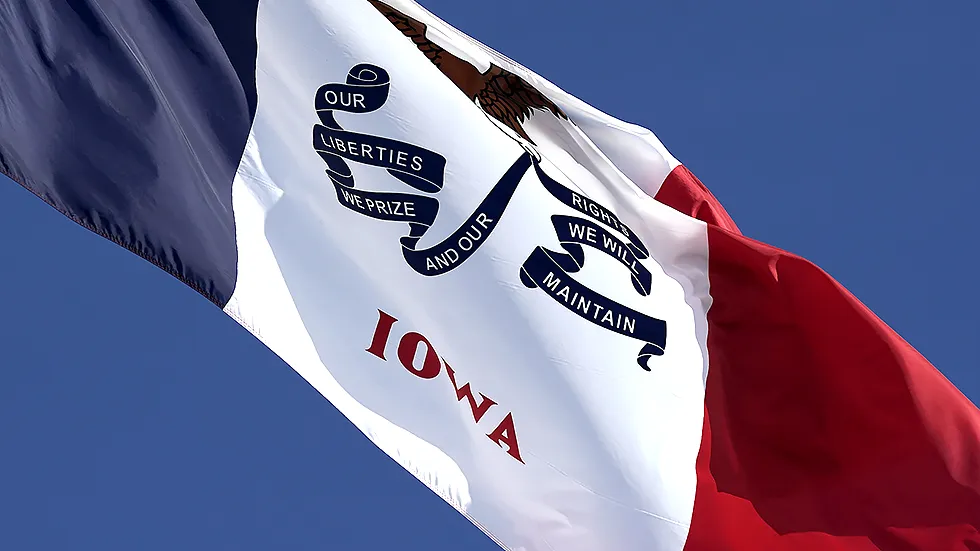
In May 2021, Iowa Governor Kim Reynolds signed House File 847 into law, requiring public schools to administer the Pledge of Allegiance daily for grades one through twelve. The legislation, championed by Rep. Carter Nordman, also mandates displaying the U.S. and Iowa flags, aiming to foster unity and patriotism. Nordman called it a chance to teach students the “American idea,” noting Iowa was among the few states without such a requirement. Students can opt out without penalty, as the 1943 Supreme Court ruling in West Virginia State Board of Education v. Barnette protects their First Amendment rights against compelled speech.
The move has sparked both praise and criticism. Supporters argue it instills pride and counters waning patriotism, with a 2021 Ipsos poll showing only 52% of millennials feel proud to be American, compared to 84% of baby boomers. Schools like those in Danville, Iowa, already had flags in classrooms, easing compliance, though some districts spent hundreds on new flags or sought American Legion donations. Critics, like Rep. Sharon Steckman, argue it distracts from pressing issues like education funding, while parents in Iowa City question its value, citing past debates over forced recitation.
Forty-seven states now require the Pledge in schools, with varying exemptions. Iowa’s law, passed with a 91-3 House vote, reflects a broader push for patriotic exercises, though states like Vermont and Hawaii lack such mandates. As debates over national identity intensify, Iowa’s policy raises a question: should every state follow suit, or does mandating the Pledge risk alienating those who see it as symbolic of division?