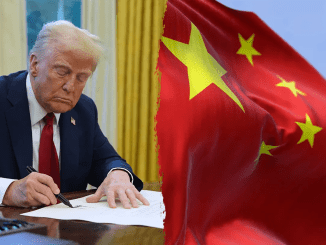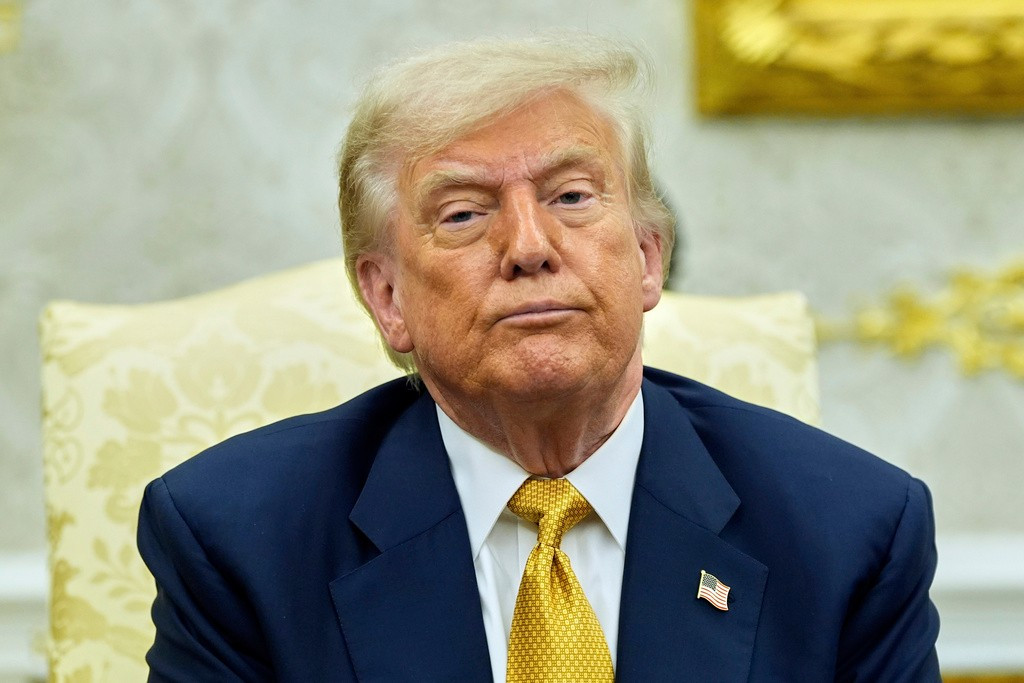
President Donald Trump has vowed to end the era of “free” foreign aid, signaling a seismic shift in U.S. foreign policy. On his first day in office, January 20, 2025, Trump signed an executive order pausing all foreign assistance for 90 days to review programs for alignment with his “America First” agenda. “The United States has been ripped off for decades,” Trump declared, citing trillions spent on trade and military support with little return. The freeze, affecting $72 billion in annual aid, has halted critical programs, from HIV treatment in Africa to disaster relief in Myanmar.
The move has sparked chaos globally. USAID, which administers 60% of U.S. aid, faces potential dissolution, with thousands of staff furloughed. Programs combating modern slavery, malnutrition, and disease outbreaks have shuttered, prompting warnings from groups like Amnesty International of millions of lives at risk. A Lancet study estimates that sustained cuts could lead to 14 million deaths by 2030. Secretary of State Marco Rubio has issued waivers for emergency food aid and military support to Israel and Egypt, but most programs remain frozen.
Critics, including Democratic lawmakers, call the freeze unlawful, arguing it bypasses Congress’ spending authority. Legal challenges have emerged, with federal judges ordering partial restoration of funds, though compliance lags. Supporters, however, praise Trump’s push to prioritize U.S. interests, ending what they see as wasteful spending. As the review extends into August 2025, the world watches anxiously. Will Trump’s vision reshape global aid, or will it destabilize vulnerable regions, ceding influence to adversaries like China? The stakes couldn’t be higher.