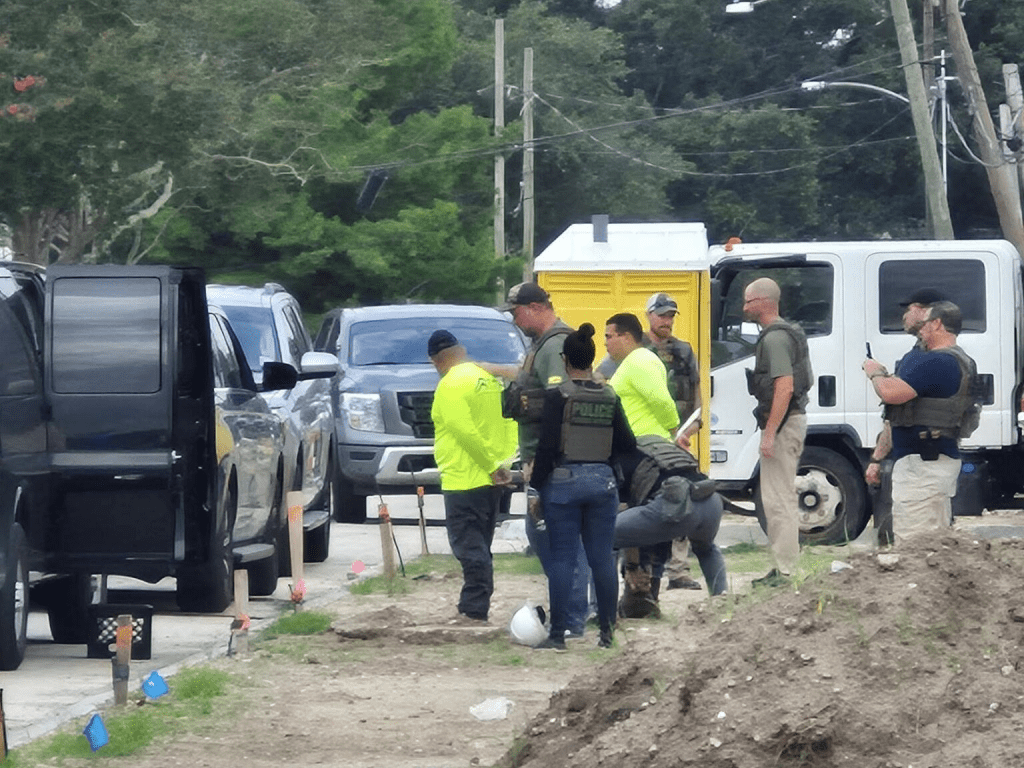
New Orleans – Federal agents swarmed construction sites across southeast Louisiana on December 10, 2025, rounding up dozens of undocumented immigrants in a high-stakes escalation of Operation Catahoula Crunch—the Trump administration’s aggressive push to dismantle sanctuary havens. Over 250 ICE officers, backed by Border Patrol and local law enforcement, descended on booming projects in New Orleans and Kenner, detaining workers mid-shift and leaving crews stunned and sites stalled.
Eyewitnesses described chaotic scenes: At a sprawling subdivision build in Jefferson Parish, agents in tactical vests flashed warrants and cuffed 28 laborers—mostly from Mexico and Central America—accused of lacking work authorization. “They came in like a SWAT team, no warning,” recounted site foreman Raul Mendoza, who watched as bulldozers idled and subcontractors scrambled. Similar sweeps hit a Harvey warehouse expansion, netting 15 more, with agents citing “public safety threats” from prior detainer ignores. DHS reports over 100 arrests in the week’s opening salvo, targeting those with criminal histories, but advocates claim many are family breadwinners snared in broad nets.
The operation, dubbed after Louisiana’s state dog for its “hunting” precision, aligns with Trump’s mandate for 1 million annual removals. Louisiana Attorney General Liz Murrill praised the cooperation, slamming New Orleans’ non-detainer policy as “lawless.” Yet, city leaders decry the fear-mongering: Restaurants shuttered, schools emptied, and traffic thinned as immigrant families hunkered down. “This isn’t enforcement—it’s economic sabotage,” fumed Councilmember Lesli Harris, noting construction delays could cost millions amid a labor shortage.
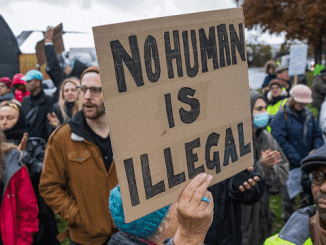
With Louisiana holding the nation’s second-largest immigrant detention population, the raids signal more to come—potentially 5,000 arrests by February. Protests erupted outside the Canal Street federal building, chanting for transparency. As buses ferry detainees to Pine Prairie facilities, the question lingers: Justice served, or communities crippled? In the Bayou State’s building boom, federal hammers are falling hard.