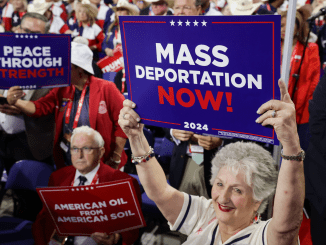
In a dramatic escalation of immigration enforcement, U.S. Immigration and Customs Enforcement (ICE) arrested 30,000 undocumented immigrants in June 2025, marking the highest monthly total in five years. The surge, announced on July 16, 2025, aligns with President Donald Trump’s aggressive deportation agenda, spearheaded by “border czar” Tom Homan, and has sparked both celebration and concern as the nation grapples with immigration policy.
The arrests, targeting individuals across the U.S., reflect a bolstered ICE operation, bolstered by a $150 billion congressional immigration package that tripled detention capacity. Many detainees were transferred to facilities like Florida’s “Alligator Alcatraz,” despite reports of harsh conditions. The crackdown focuses on those with criminal records, but data suggests over a third of those arrested lack convictions, raising questions about the scope of enforcement.
Supporters, particularly Trump’s base, hail the arrests as a victory for national security and economic relief, arguing that undocumented immigrants strain public resources. They point to a 95% drop in illegal border crossings since April 2025 as evidence of effective deterrence. Critics, however, warn of community disruption, citing economic contributions from immigrants and the high cost of deportations, estimated at $88 billion annually. Advocacy groups decry the arrests as indiscriminate, with families torn apart and legal challenges mounting over due process violations.
The surge comes amid heightened political rhetoric, with the 2026 midterms looming. The administration’s focus on enforcement, including local partnerships like Georgia’s expanded 287(g) program, signals no slowdown. As ICE operations intensify, the debate over immigration’s role in America’s future grows fiercer, with both sides entrenched in their vision for the nation’s borders and identity.