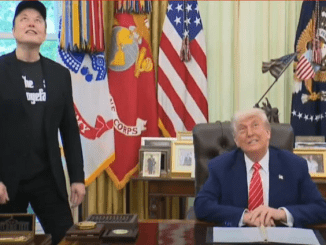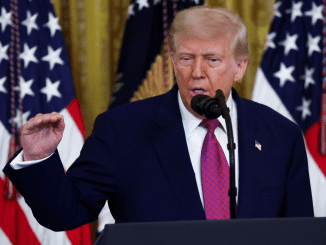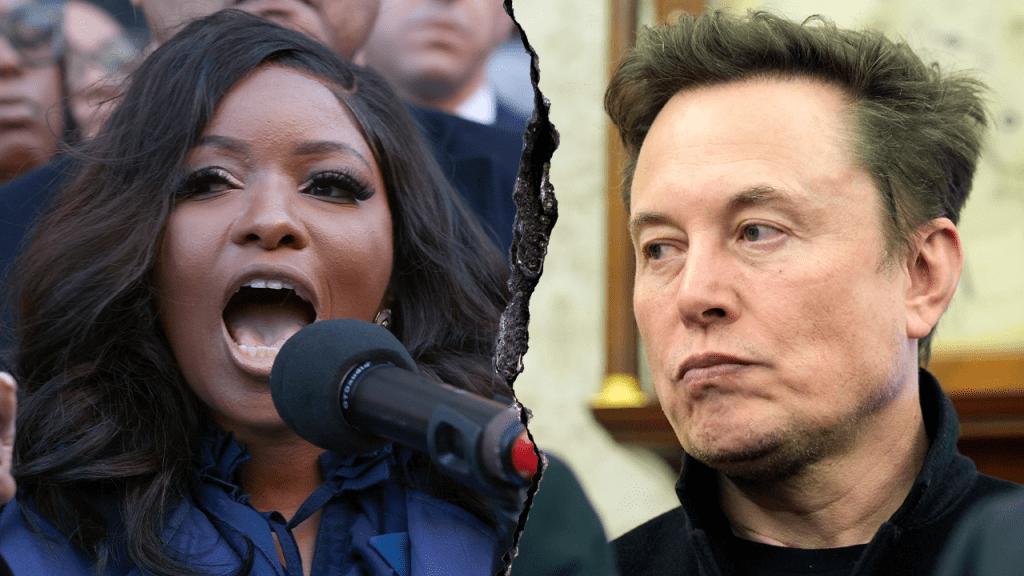
Elon Musk’s abrupt exit from his role as head of the Department of Government Efficiency (DOGE) on May 28, 2025, has ignited demands for a federal investigation into the billionaire’s chaotic tenure, with critics branding his actions the “definition of waste, fraud, and abuse.” Musk, who approached Washington with a corporate mindset—firing thousands, slashing programs, and disrupting agencies—left a trail of controversy, prompting accusations that his reforms caused more harm than efficiency. As the dust settles, lawmakers and watchdogs are urging a probe to uncover the full extent of the damage.
Musk’s 130-day stint saw DOGE claim $500 billion in savings, including $3.4 billion in canceled diversity contracts and the elimination of 12.3 million outdated Social Security records, per a White House statement. However, critics argue these cuts were reckless, disrupting essential services like Social Security and veterans’ healthcare, with wait times spiking, per NPR. The firing of 260,000 federal workers, including 1,600 at USAID, led to rehiring after court rulings, costing millions, according to a Brennan Center report. Rep. Jasmine Crockett (D-TX) accused Musk of treating government like a private company, “gutting services Americans rely on.”
Allegations of conflicts of interest further fuel the outrage. Musk’s companies, including SpaceX and Tesla, hold $38 billion in federal contracts, with $6.3 billion awarded in 2024 alone, per The Washington Post. Rep. Mikie Sherrill (D-NJ) called for inspectors general to investigate, citing Musk’s influence over agencies like NASA, where SpaceX secured a $100 million contract during his tenure. The Securities and Exchange Commission, where DOGE pushed staff cuts, is suing Musk for misleading investors, raising questions of self-dealing, per Reuters.
Musk’s fraud claims, a cornerstone of DOGE’s mission, have been widely disputed. He and Trump alleged “billions” in fraud, but a PBS News report found no evidence of criminal activity, with cuts targeting ideological programs like DEI and climate initiatives. A 2024 GAO estimate of $233–$521 billion in annual fraud was inflated by COVID-era anomalies, and Social Security’s inspector general reported just $300 million in improper payments over two decades, per PolitiFact. Critics, including Rep. Jamie Raskin (D-MD), argue Musk’s “fraud” narrative justified slashing necessary programs, with 57% of Americans disapproving of his DOGE role, per a May 2025 NBC poll.
The Trump administration defends Musk, with Press Secretary Karoline Leavitt citing a 93% drop in border crossings and Trump’s 52% “right track” Rasmussen rating as broader successes. House Speaker Mike Johnson praised DOGE’s exposure of “hidden costs,” though he offered no specifics, per ABC News. Yet, Musk’s exit after clashing with Trump over a $4 trillion tax bill suggests internal fractures, with The Atlantic noting his isolation within the administration.
Calls for investigation face hurdles in a GOP-controlled Congress, but Sen. Elizabeth Warren (D-MA) warned Musk’s IRS cuts could cost $323 billion in tax revenue by weakening audits of wealthy tax evaders, per her May 2025 statement. As lawsuits challenge DOGE’s actions, including a case against its Treasury data access, the push for accountability grows. Musk’s legacy—disruptive or destructive—hangs in the balance, with the truth about his impact awaiting scrutiny.