Five months into President Donald Trump’s second term, which began on January 20, 2025, his performance has sparked intense debate, with supporters hailing bold action and critics decrying chaos. From mass deportations to historic tax cuts, Trump’s agenda has reshaped America’s political and economic landscape. With a 40% approval rating, down from 47% in February, according to Pew Research, his tenure is a polarizing mix of ambition and controversy. Grading his performance—on a scale from A to F—requires weighing his policy wins, missteps, and impact on a divided nation. I assign Trump a C, reflecting significant achievements tempered by execution flaws and deepening polarization.
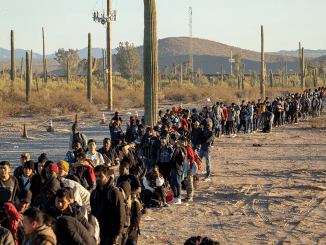
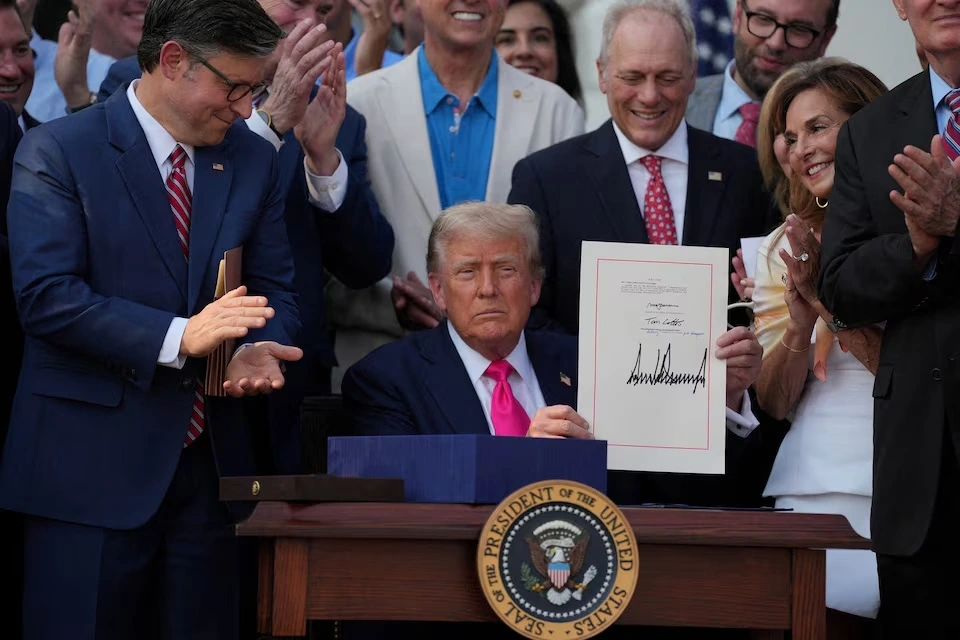
Trump’s supporters argue for an A, pointing to his aggressive fulfillment of campaign promises. The One Big Beautiful Bill Act, signed July 4, 2025, permanently extends 2017 tax cuts, raises the state and local tax deduction cap to $40,000 for some, and introduces Trump Accounts for parental savings, delivering what supporters call the largest middle-class tax cut in history. Economic indicators shine: 3.2% unemployment and a 5% surge in manufacturing jobs signal strength, while a $2.8 trillion deficit reduction via tariffs halved the trade deficit. Immigration, a cornerstone issue, saw 139,000 ICE arrests and the opening of “Alligator Alcatraz,” a Florida detention facility deterring illegal crossings. The Laken Riley Act and asylum restrictions further tightened borders, earning 68% Republican approval, per an AP-NORC poll.
Foreign policy also draws praise from Trump’s base. His calls with Putin and Xi, alongside a proposed Russia-Ukraine deal, suggest a dealmaker’s touch, with 40% of Americans expecting increased global respect, per YouGov. The Army hitting recruitment goals and 13 million acres opened for drilling bolster energy independence. Pardons for 1,500 January 6 defendants, including Proud Boys and Oath Keepers, cemented loyalty among supporters, with 89% of Republicans viewing 2025 as better than 2024. These moves, coupled with 142 executive orders—37 in the first week—show a relentless drive to reshape America, earning high marks for decisiveness.
Critics, however, argue for an F, citing authoritarian tendencies and policy missteps. The “Alligator Alcatraz” facility, housing 3,000 detainees in hurricane-prone tents, faces lawsuits for due process violations, with 71.7% of ICE detainees non-criminal, per Transactional Records Access Clearinghouse. A mistaken deportation to El Salvador’s notorious Terrorism Confinement Center drew Supreme Court rebuke, highlighting sloppy execution. Tariff hikes, meant to boost the economy, sparked market turmoil, with 59% disapproving, per Pew Research. Economists, including Janet Yellen, warn of a looming recession, with 64% of Americans expecting higher grocery prices. Trump’s approval on the economy dropped to 45%, a 14-point decline since November 2024.
Social policies fuel further criticism. The closure of a Los Angeles transgender youth clinic and Defense Secretary Pete Hegseth’s order to expel transgender troops align with Project 2025’s conservative blueprint but alienate 70% of Americans who support Pride displays. The Department of Government Efficiency, led by Elon Musk, fired thousands of civil servants, disrupting services like Social Security, with 55% disapproving of federal cuts. Trump’s rhetoric—joking about “feeding illegals to gators” and threatening to seize Greenland or the Panama Canal—has strained alliances, with 49% saying his policies weaken America’s global standing. His 130 executive orders, 36 mirroring Project 2025, face legal challenges, with courts pausing actions like ending birthright citizenship.
The C grade reflects this balance: Trump’s rapid policy rollout delivers for his base but falters in execution and broad appeal. Achievements like tax cuts and immigration enforcement are offset by economic uncertainty and ethical concerns, with only 29% confident he acts ethically, per Pew Research. Partisan divides—84% of Democrats rate him poorly, while 68% of Republicans give high marks—mirror his first term but risk further fracturing the nation. As the 2026 midterms loom, with Republicans eyeing Senate gains in Michigan, Trump’s ability to unify or at least stabilize his agenda will determine whether this grade improves or sinks. For now, his term is a high-stakes gamble: bold, divisive, and teetering between transformative and reckless.