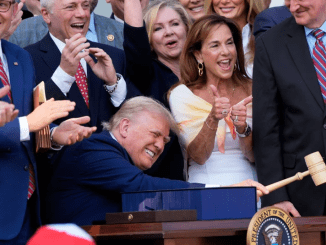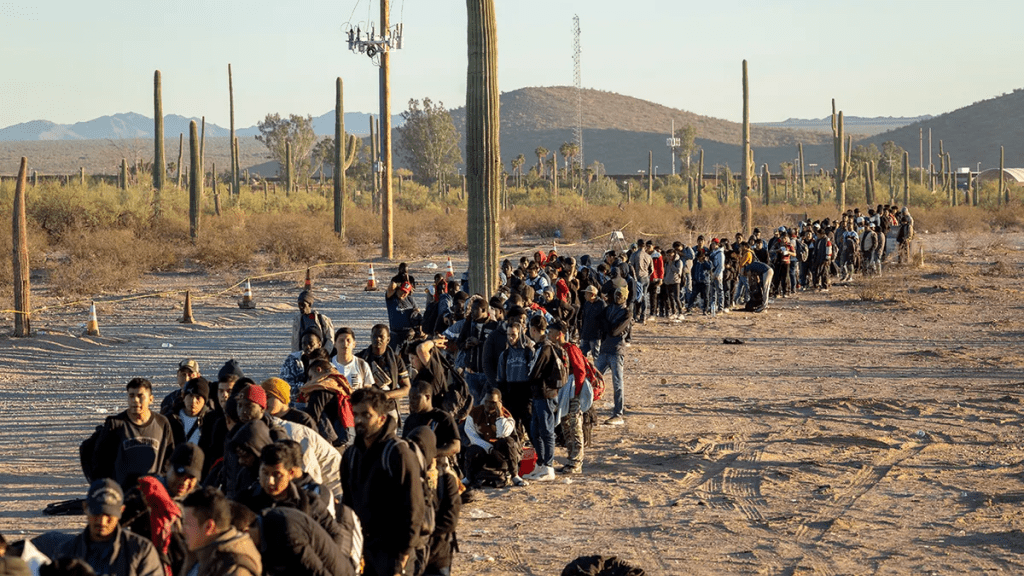
On August 7, 2025, President Donald Trump called for a new U.S. census that excludes undocumented immigrants, reigniting a fierce debate over congressional apportionment and electoral fairness. The U.S. Constitution’s 14th Amendment mandates counting “the whole number of persons” for apportioning House seats, a practice that has included noncitizens since 1790. Trump’s proposal, backed by the Equal Representation Act reintroduced by Senator Bill Hagerty, seeks to count only citizens, arguing that including undocumented immigrants inflates representation in states like California and Texas, diluting the votes of citizens in other states. A 2020 Pew Research Center study estimated that excluding undocumented immigrants could cost California, Florida, and Texas one congressional seat each, while states like Ohio and New York might gain.
Supporters, including Senator Pete Ricketts, claim this ensures fair representation, as noncitizens cannot vote. Critics, like the Lawyers’ Committee for Civil Rights, argue it violates constitutional mandates and could reduce federal funding for schools and hospitals in diverse states, harming U.S. citizen children of immigrants. The Supreme Court blocked a similar 2020 effort by Trump, citing legal uncertainties, and President Biden reversed it in 2021. Studies, including one from PMC in 2025, show minimal impact on apportionment from including undocumented immigrants, challenging claims of significant Democratic advantage. As legal battles loom, the proposal raises questions about political power, equity, and constitutional fidelity.