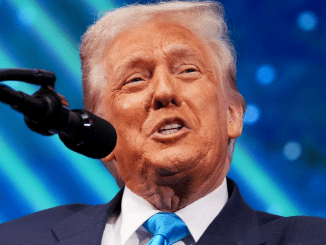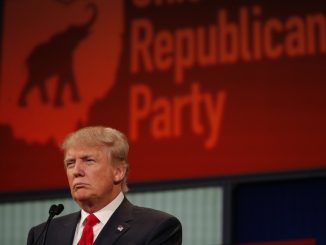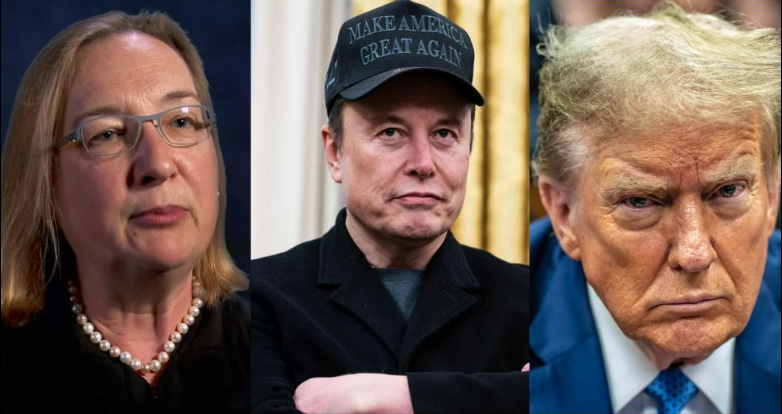
Washington, D.C. – In a stinging legal defeat for the Trump administration, U.S. District Judge Beryl Howell ruled on May 19, 2025, that the Department of Government Efficiency’s (DOGE) aggressive takeover of the U.S. Institute of Peace (USIP) was unlawful, declaring all related actions “null and void.” The decision reinstates USIP’s original board members and reverses staff terminations and asset transfers, marking a significant setback for President Donald Trump’s efforts to reshape federal institutions through DOGE, led by Elon Musk.
The USIP, a congressionally funded nonprofit established in 1984 under President Ronald Reagan to promote global peace and resolve conflicts, became a target of Trump’s February 18 executive order (EO 14217). The order directed DOGE to slash USIP’s operations to “statutory minimums,” leading to the ousting of board members, the removal of President George Moose, and the termination of nearly all staff. DOGE officials, backed by FBI, D.C. Metropolitan Police, and U.S. Attorney’s Office agents, seized USIP’s Washington headquarters in a dramatic March standoff, transferring its $500 million property to the General Services Administration (GSA).
Judge Howell, an Obama appointee, condemned the takeover as a “gross usurpation of power” in her 102-page ruling. She argued that USIP, while federally funded, operates as an independent entity outside the executive branch, rendering Trump’s actions unconstitutional. “The president second-guessed the judgment of Congress and every administration since Reagan,” Howell wrote, noting that Trump lacked authority to unilaterally dismantle USIP without congressional approval. The ruling voids DOGE’s installation of Kenneth Jackson as president and restores Moose and the original board.
The lawsuit, filed by former board members and Moose, alleged that DOGE’s “blunt force” tactics, including armed law enforcement presence, traumatized staff and violated USIP’s statutory independence. Howell criticized the administration’s approach as unnecessarily coercive, questioning why lawful alternatives were ignored. “This conduct… terrorized employees who deserved better,” she stated. Former USIP staff gathered outside the headquarters post-ruling, expressing relief, with some, like Mary Holmcrams, hoping the decision sets a precedent against DOGE’s overreach.
The Trump administration defended the takeover, arguing USIP’s inefficiencies justified its actions. White House spokesperson Anna Kelly claimed the institute “failed to deliver peace,” aligning with Trump’s mandate to cut government bloat. However, Howell rejected this, citing USIP’s unique role in supporting both Congress and the executive branch through peace research and diplomacy. The administration has 30 days to appeal, and legal analysts expect it to challenge the ruling, given ongoing disputes over Trump’s removal powers.
Sentiment on X is polarized. Supporters like
@RepDonBeyer praised Howell’s defense of USIP’s mission, while critics, including
@B_Smallberries, decried her as an “activist judge” obstructing Trump’s agenda. The ruling follows Howell’s pattern of challenging Trump’s actions, including her May 3 decision striking down an executive order targeting law firm Perkins Coie as retaliatory.
As USIP prepares to resume operations, the decision underscores tensions between Trump’s efficiency drive and institutional independence. With DOGE facing further legal challenges, the ruling may signal limits to its authority, raising questions about the future of Trump’s federal overhaul.
Word count: 598