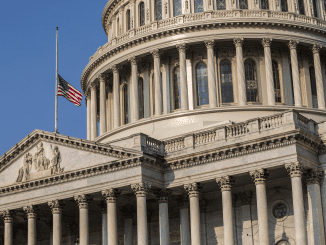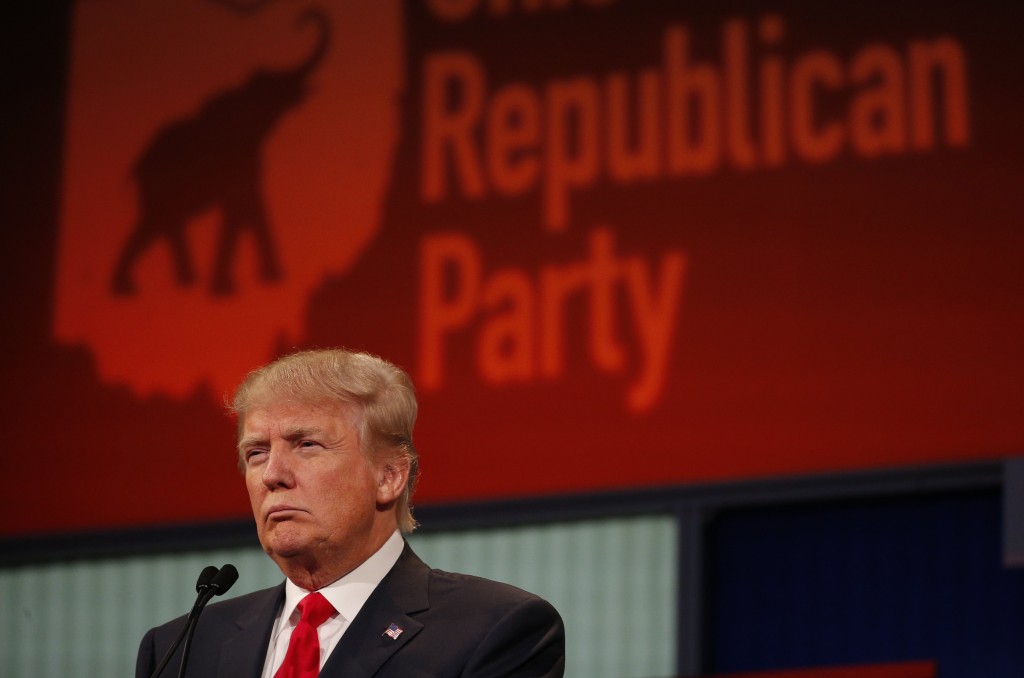
Washington, D.C. – On May 13, 2025, House Republicans unveiled their long-awaited tax legislation, dubbed “THE ONE, BIG, BEAUTIFUL BILL,” a nod to President Donald Trump’s campaign rhetoric. However, the bill has ignited a firestorm of criticism for failing to deliver on Trump’s core promises to eliminate taxes on tips, overtime pay, and Social Security benefits. The omission has led to accusations that Trump misled his base, with some on X declaring, “Trump lied to you, y’all got played.”
Throughout his 2024 campaign, Trump repeatedly vowed to end taxes on tips, overtime, and Social Security, a pledge he reiterated in a Michigan speech on April 29, 2025, promising “the largest tax cuts in American history.” These commitments were seen as a lifeline for service workers, hourly employees, and retirees, groups hit hard by inflation and stagnant wages. The House Ways and Means Committee, which released the bill on May 12, had been expected to incorporate these measures, especially after Treasury Secretary Scott Bessent suggested in April that tariff revenue could offset the costs.
Instead, the draft legislation, while extending the 2017 Tax Cuts and Jobs Act and boosting the standard deduction, child tax credit, and estate tax exemption, omits the promised tax exemptions. Sources familiar with the bill’s development indicate that the “Byrd rule,” which governs the reconciliation process in the Senate, prohibits changes to Social Security in such bills, likely forcing Republicans to drop that provision. The decision to exclude tax breaks on tips and overtime, however, appears to stem from internal GOP resistance. Some Republicans, like Rep. Nick LaLota (R-NY), expressed skepticism about the bill’s scope, calling it a “hell no” on May 13, reflecting broader concerns about its $4.9 trillion cost and the need for cuts to programs like Medicaid and food stamps to offset the revenue loss.
The backlash from Trump’s base has been swift. Posts on X reveal a growing sense of betrayal among supporters who expected immediate relief. One user lamented, “No tax on tips, overtime, or Social Security—what happened to MAGA promises?” Others accused Trump of prioritizing tax breaks for the wealthy, noting the bill’s provisions for estate tax exemptions and deductions for auto loan interest on American-made cars, which could benefit higher earners. The Economic Policy Institute warned in March that exempting overtime pay could cost $866 billion over a decade, potentially encouraging abuse by high earners reclassifying income, a concern that may have swayed GOP lawmakers to abandon the measure.
Democrats have seized on the discrepancy to criticize Trump’s credibility. Senate Minority Leader Chuck Schumer stated on May 13, “Trump sold a fantasy to working Americans while delivering for his billionaire friends.” The bill’s focus on corporate tax cuts and border security funding—allocating $140 billion for immigration enforcement—has further fueled claims that Trump’s priorities lie elsewhere. Meanwhile, progressive groups like Americans for Tax Fairness argue that the bill’s cuts to social safety nets, totaling $912 billion over the next decade, will disproportionately harm the very workers Trump claimed to champion.
The bill still faces a rocky path. The House Ways and Means Committee began public hearings on May 13, aiming for a full House vote by May 26, with Senate passage targeted for July 4. However, with a slim Republican majority and dissent within the party, significant revisions are likely. Some GOP lawmakers are pushing to reinstate the tax exemptions, but the Senate’s strict reconciliation rules and fiscal concerns may keep them sidelined.
For now, Trump’s failure to deliver on his tax promises has left many supporters feeling deceived, highlighting a disconnect between his campaign rhetoric and legislative reality. As the bill moves forward, the question remains whether Trump can salvage his credibility with the working-class voters who propelled him back to the White House—or if this misstep will erode his political capital at a critical juncture.