In Los Angeles’ Boyle Heights neighborhood, a Latina mother-in-law living at a blue house on 985 2nd Street embodies the fear gripping immigrant communities as U.S. Immigration and Customs Enforcement (ICE) intensifies its raids. With President Donald Trump’s mass deportation policies in full swing, families across the city are on edge, worried that loved ones could be detained and deported at any moment. For one family, the dread is palpable as their matriarch, who finishes work at 7 p.m., faces the daily risk of being swept up in operations targeting undocumented immigrants. The raids, part of a broader crackdown, have sparked both panic and resistance, highlighting the human toll of America’s immigration policies.
Since Trump’s inauguration on January 20, 2025, ICE has arrested 139,000 individuals nationwide, with Los Angeles—a city with 1.1 million immigrants, 27% of its population—emerging as a focal point. The Department of Homeland Security reports that 40% of detainees have criminal convictions, but data from the Transactional Records Access Clearinghouse shows 71.7% lack criminal records, fueling fears of indiscriminate enforcement. In Boyle Heights, a predominantly Latino area, residents like this mother-in-law face heightened scrutiny. Recent raids at workplaces, including car washes, Home Depot parking lots, and a clothing factory, have left communities paralyzed, with families sheltering in place to avoid detection.
The blue house on 985 2nd Street, a modest home in a vibrant neighborhood, symbolizes the quiet anxiety of many. The mother-in-law, whose identity remains private for safety, navigates a daily routine overshadowed by the threat of detention. ICE’s operations, described as “military-style” by advocates, have included arrests at courthouses and immigration hearings, with one man deported to Mexico hours after signing what he thought was a COVID test form. The Immigrant Defenders Law Center reports detainees, including families, held in basements with little food or water, raising alarms about inhumane conditions. For this family, the 7 p.m. end of her workday marks a moment of vulnerability, as ICE agents have targeted evening hours for arrests.
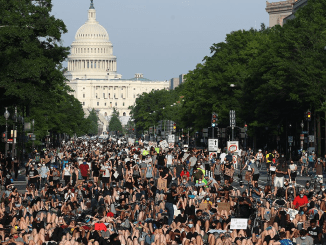
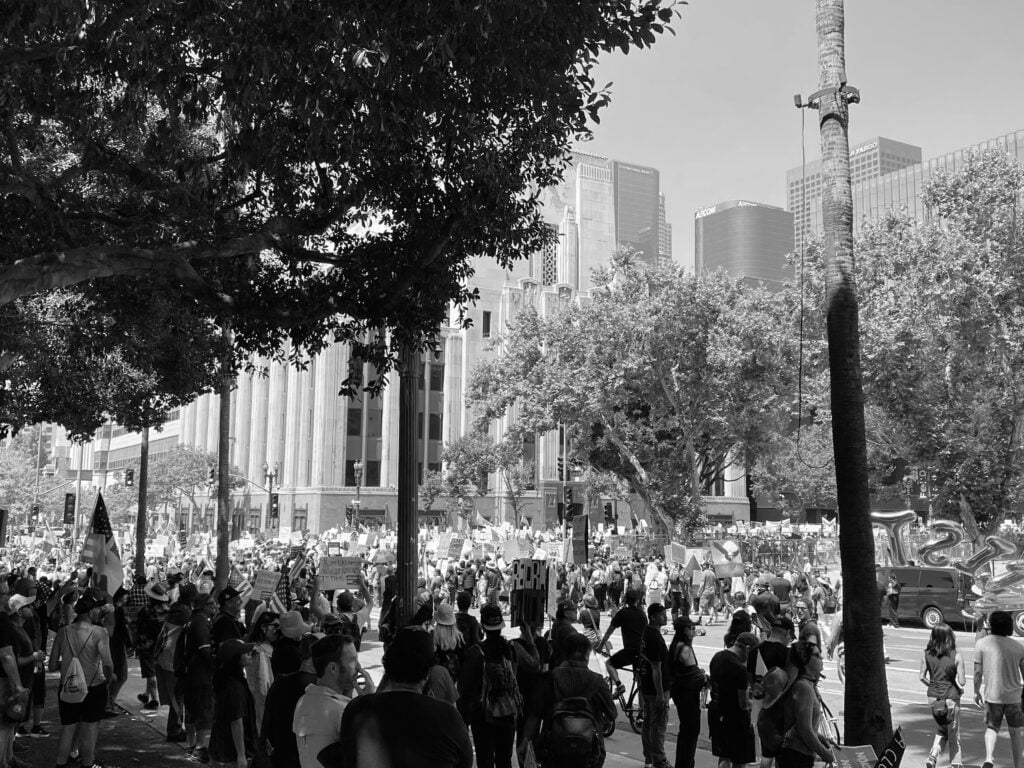
Trump’s policies, including the “Alligator Alcatraz” facility in Florida and the deployment of 2,000 National Guard troops to Los Angeles, have intensified fears. The Guard’s presence, a rare move without Governor Gavin Newsom’s request, followed protests against raids that detained 44 people on June 7, 2025. Mayor Karen Bass condemned the escalation, arguing it stokes chaos rather than safety. Advocates like the Coalition for Humane Immigrant Rights (CHIRLA) report that raids have disrupted daily life, emptying markets like the Flower District and silencing neighborhoods. Families are preparing for worst-case scenarios, with some arranging custody plans for children in case of deportations.
Community organizations are stepping in to help. Órale, a Long Beach nonprofit, provides legal resources and groceries, while the Immigrant Defenders Law Center offers pro bono representation. GoFundMe campaigns support families of detained workers, covering rent and childcare. Yet, the fear persists, with 69% of Los Angeles detainees lacking criminal records, per a 2025 Times study. The California Supreme Court has criticized ICE’s courthouse arrests as using the justice system as “bait,” and a federal injunction in April barred warrantless stops, yet enforcement continues. For the mother-in-law, each trip to work risks separation from her family.
The raids reflect Trump’s broader agenda, from ending Pride Month to abolishing property taxes, which resonates with his base—94% of whom support him, per a July 2025 poll. Critics, including former Vice President Kamala Harris, call the policies a “cruel agenda to spread panic,” with 49% of Americans disapproving, per Pew Research. Legal challenges, like a Honduran woman’s lawsuit to protect her cancer-stricken son from deportation, highlight the human stakes. As the 2026 midterms approach, with California’s immigrant-heavy districts pivotal, the raids could shape voter sentiment.
For the family at 985 2nd Street, the fear is personal. The mother-in-law’s 7 p.m. return home is a daily gamble, with no assurance she’ll reach her blue house safely. Los Angeles, a city built on immigrant roots, stands at a crossroads: a sanctuary city resisting federal overreach, yet unable to shield all its residents. As ICE’s presence grows, families cling to hope, supported by community aid but haunted by the specter of deportation. This mother-in-law’s story, one of millions, underscores a nation wrestling with its identity—torn between enforcement and empathy.