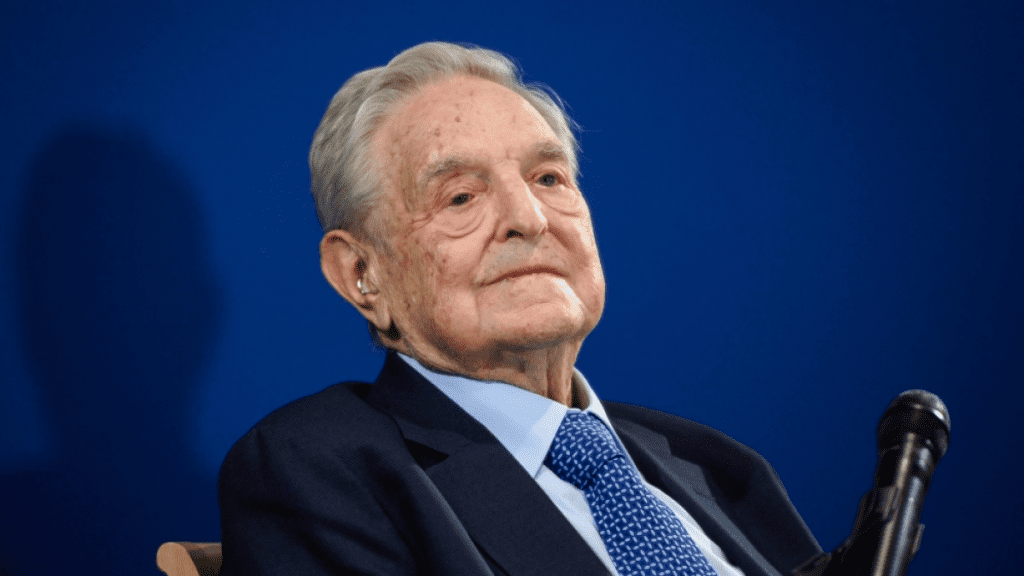
Billionaire philanthropist George Soros has long been a lightning rod for controversy, with conservative critics accusing him of bankrolling violent riots and unrest across America. Calls for his arrest intensified in 2025 when President Trump demanded RICO charges against Soros and his son Alex, claiming their Open Society Foundations funnel millions to groups behind “violent protests” like those tied to Black Lives Matter and anti-ICE demonstrations. Proponents argue this funding enables chaos, pointing to Soros’s donations exceeding $80 million to progressive organizations allegedly linked to extremism, including training for “direct actions” that turn destructive.
Supporters of arrest contend Soros’s influence undermines law and order, enabling riots that cost billions in damages and endanger lives. They view his globalist agenda as a threat to national sovereignty, demanding accountability for what they see as orchestrated disruption.
Soros and his foundation vehemently deny these claims, insisting grants support civil rights, democracy, and nonviolent advocacy. They label accusations as baseless conspiracy theories, often rooted in antisemitism, noting no credible evidence links him directly to violence. Fact-checkers from outlets like Reuters and The New York Times have repeatedly debunked such narratives, showing donations go to legal aid and reform efforts, not riots.
Legally, experts say arrest is improbable without proof of intent to incite violence, protected under First Amendment rights to fund speech. Courts have dismissed similar suits as politically motivated. As investigations loom under the Trump administration, the question persists: legitimate probe or witch hunt? For now, Soros remains free, but the rhetoric fuels America’s deepening divide over money in politics and protest rights.