As immigration enforcement takes center stage under the Trump administration, a heated debate has emerged over whether employers should face stricter penalties for hiring undocumented workers. Federal law, under the 1986 Immigration Reform and Control Act, already mandates that employers verify workers’ legal status, with penalties ranging from fines to jail time for violations. However, critics argue enforcement has been lax, enabling businesses to exploit cheap labor while undermining American workers. In 2025, Immigration and Customs Enforcement (ICE) reported a surge in audits, with 1,200 businesses fined for hiring undocumented workers, a 30% increase from 2024.
Proponents of tougher accountability, including Trump’s border czar Tom Homan, claim employers fuel illegal immigration by offering jobs, driving down wages in industries like construction and agriculture. They push for harsher fines and criminal charges to deter violations. Conversely, business groups and immigrant advocates argue that employers often lack the resources to verify complex immigration documents, and many workers use fraudulent IDs. They warn that aggressive enforcement could devastate industries reliant on immigrant labor, raise consumer prices, and unfairly target small businesses.
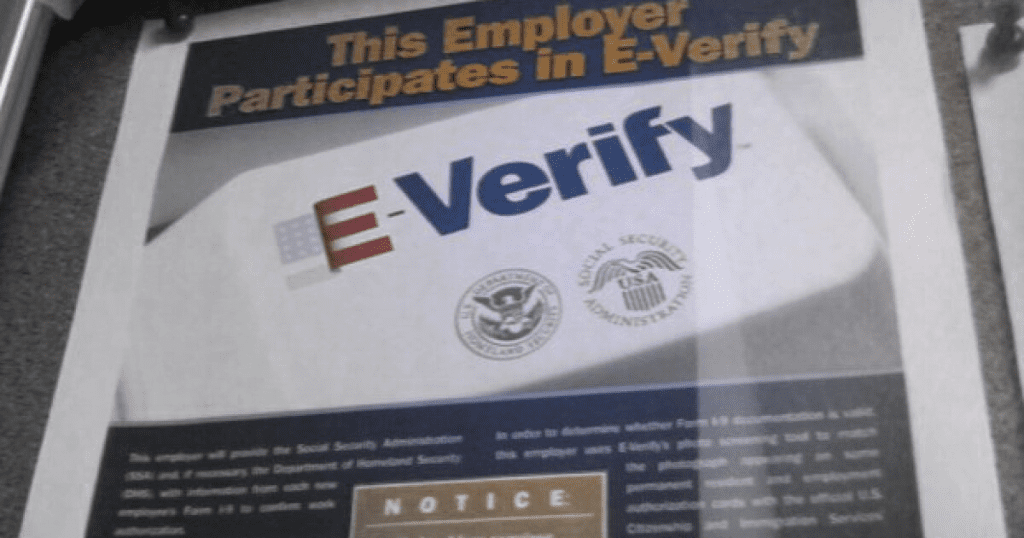
The issue has sparked legislative proposals, with some Republicans advocating for mandatory E-Verify systems nationwide, while Democrats call for comprehensive immigration reform to address labor shortages legally. As deportations rise, the debate over employer accountability remains divisive, balancing economic needs with border security demands.