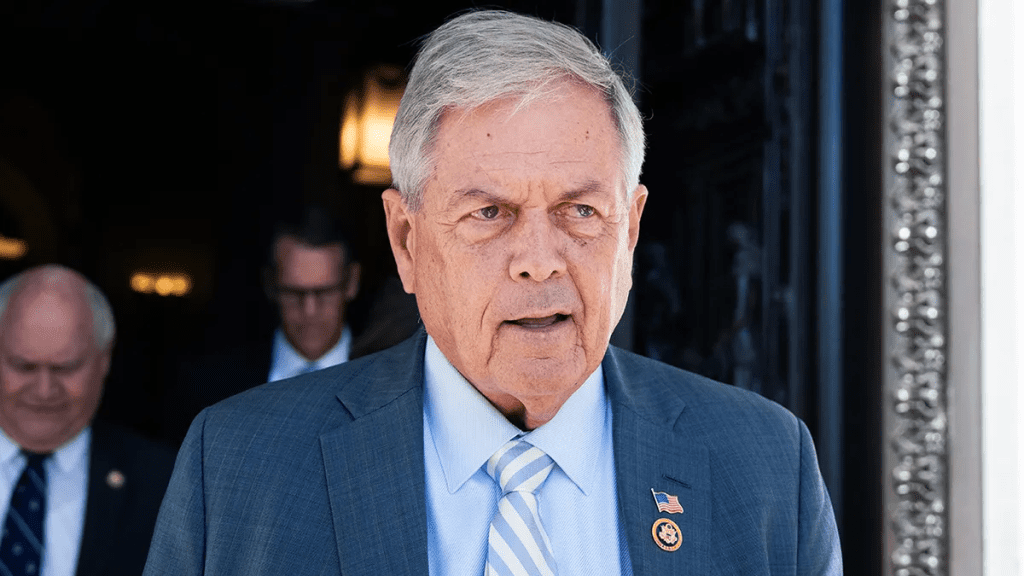
Washington, D.C. – As the federal government plunged into its first shutdown since 2019 at midnight on October 1, Rep. Ralph Norman (R-S.C.) seized the moment to reintroduce a constitutional amendment barring members of Congress from receiving paychecks during such crises, branding it a matter of accountability for lawmakers who “fail to do their jobs.”
The proposal, H.J. Res. 102, requires a two-thirds vote in both chambers and ratification by 38 states to amend the Constitution. It would suspend all congressional salaries – currently $174,000 annually – from the shutdown’s start until resolution, with no back pay. Norman, a Freedom Caucus stalwart, announced the filing on September 30, just hours before the deadline, arguing it levels the playing field with furloughed federal workers. “No one else in America would get paid for failing to fulfill their duties – Congress should face the same principle,” he said in a statement, echoing his 2018 and 2023 efforts.
The timing is no coincidence: The shutdown, triggered by Democrats’ rejection of a Republican funding bill amid disputes over $1 trillion in Medicaid cuts, leaves 800,000 employees unpaid while lawmakers collect checks uninterrupted. Norman, who forfeited his own pay during the 2018-19 shutdown, co-sponsored the measure with Rep. Vern Buchanan (R-Fla.), positioning it as a rebuke to “bloated budgets” and partisan gridlock.
Critics, including Democrats like Rep. Jim Clyburn (D-S.C.), dismissed it as “grandstanding” that ignores root causes like Republican demands for spending slashes. “This won’t fix the shutdown; it’ll just punish workers further,” Clyburn said. Legal experts note the 27th Amendment already delays congressional pay changes until after elections, complicating immediate impact. Past attempts, like the 2012 No Budget, No Pay Act, stalled despite bipartisan nods.
With midterms looming and economic ripples – from delayed Social Security to closed parks – Norman’s amendment taps populist frustration. For Republicans, it’s a rallying cry against “swamp elites”; for Democrats, performative politics in a chamber where real reform rarely survives. As negotiations falter, the bill symbolizes deeper divides: shared sacrifice or selective scapegoating in America’s fiscal theater.