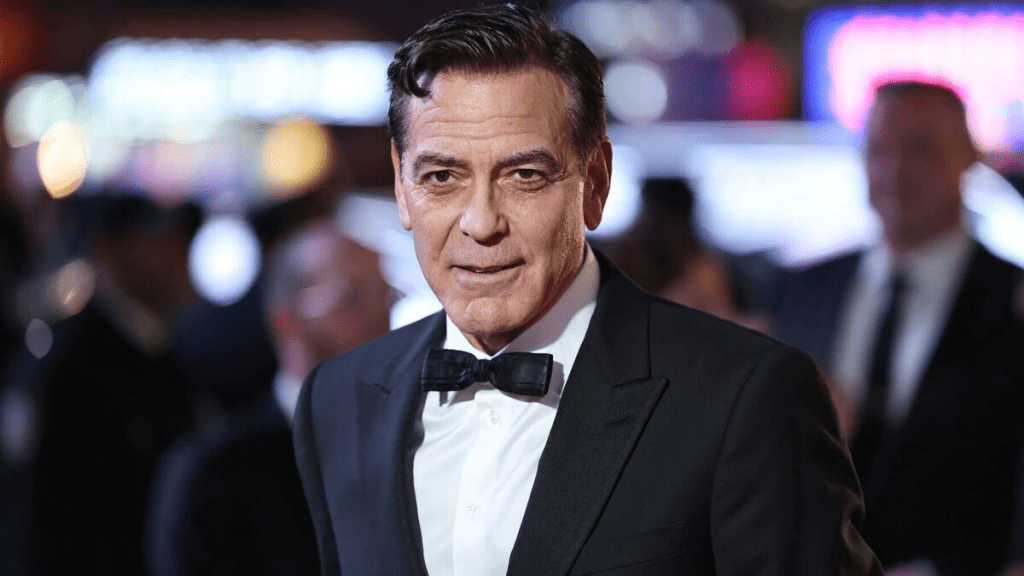
WASHINGTON, D.C., August 25, 2025 — George Clooney’s vocal political activism, including his recent labeling of President Donald Trump as a “xenophobic fascist” during a Broadway event, has reignited debates over the role of Hollywood in American politics. The Oscar-winning actor, a lifelong Democrat, has long used his platform to advocate for progressive causes, from press freedom to refugee rights. His latest comments, made while promoting his play Good Night, and Good Luck, drew sharp criticism from conservative circles, who argue that “real Americans” dismiss celebrity opinions as out-of-touch.
Clooney’s influence peaked with his July 2024 New York Times op-ed urging President Joe Biden to exit the 2024 race, a move some Democrats blame for Kamala Harris’ loss to Trump. Critics, including GOP strategists, mock Clooney as a “second-rate movie star” meddling in politics, while supporters praise his courage in challenging power. A recent Newsweek poll found 25% of voters might be swayed by a Clooney endorsement, highlighting his lingering clout despite backlash.
The actor’s defenders argue he speaks as a concerned citizen, not a political gatekeeper, emphasizing his work with the United Nations and March for Our Lives. Yet, detractors question why his voice should carry weight over everyday Americans, accusing him of leveraging fame for undue influence. Clooney remains undeterred, telling CBS Mornings, “My job is to tell the truth when I can,” shrugging off Trump’s insults. As the 2026 midterms loom, the divide over celebrity activism underscores broader tensions about who shapes America’s political discourse.