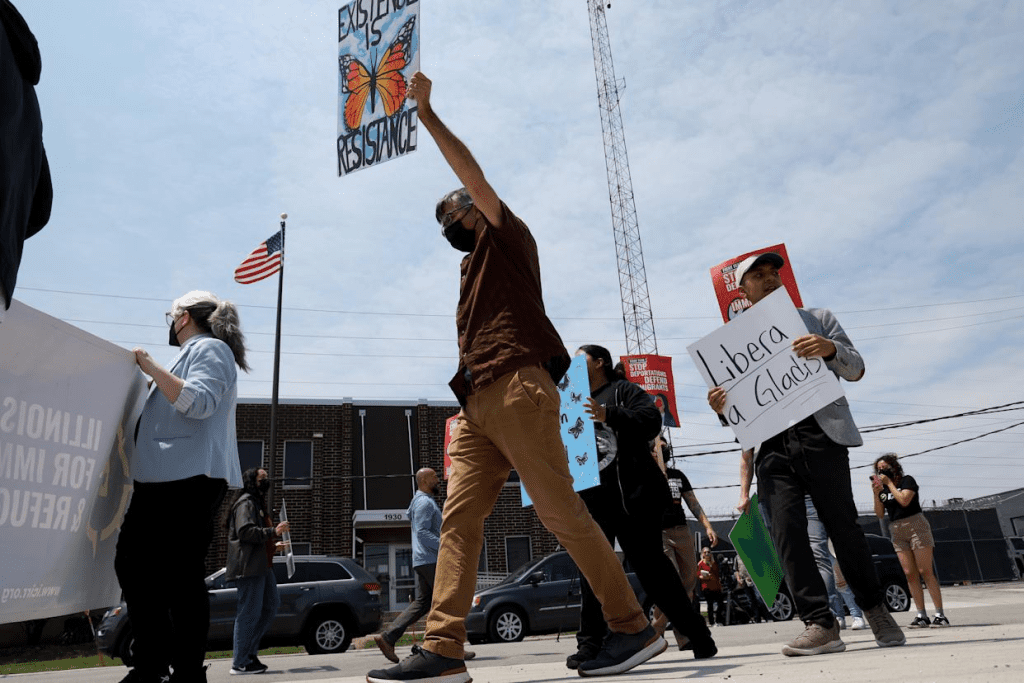
In June 2025, a radical sentiment is gaining traction among President Donald Trump’s staunchest supporters: not only should undocumented immigrants be deported, but so should those advocating for their presence in the U.S. Fueled by escalating tensions over ICE raids in Los Angeles and New York, where protests have turned violent, this view reflects the fervor of Trump’s base as his second term drives a record 142,000 deportations and 2,200 arrests in a single day. The demand to expel both immigrants and their defenders underscores a deepening rift over national identity, free speech, and the limits of dissent.
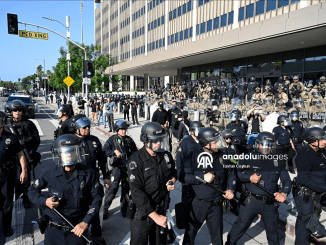
The rhetoric aligns with Trump’s aggressive “America First” agenda, including the Safeguard American Voter Eligibility Act, Wyoming’s proof-of-citizenship voting law, and calls to defund sanctuary cities. Supporters, with 90% of 2016 Trump voters approving his performance per a 2025 Gallup poll, argue that advocates—seen in Los Angeles waving Mexican flags or clashing with ICE in a New York courtroom—enable lawlessness. They cite 2.5 million border apprehensions in 2023 under Biden as evidence of a crisis, with 62% of Americans favoring stricter enforcement, per a 2024 Pew survey. The deployment of 2,000 National Guard troops to Los Angeles and Trump’s suggestion to arrest Gov. Gavin Newsom amplify this hardline stance.
Critics argue the proposal is unconstitutional and authoritarian. The Supreme Court’s 1989 Texas v. Johnson ruling protects expressive acts, including advocacy, as free speech, and deporting citizens for their views would violate the First Amendment. The ACLU, noting 35 wrongful detentions in 2025, warns of a chilling effect on dissent, as seen in visa revocations for pro-Palestinian activism. Undocumented immigrants contribute $79.7 billion annually, per a 2024 Center for American Progress study, and deporting 11 million would cost $315 billion, per a 2024 American Immigration Council estimate. Rep. Jamie Raskin calls the rhetoric “un-American,” with 55% of Americans in a 2025 Pew poll viewing Trump’s policies as excessive.
The demand evokes historical parallels. Weak history education—only 13% of eighth graders proficient per a 2023 NAEP report—obscures lessons from 1954’s Operation Wetback or McCarthy-era purges. Trump’s 2020 call to shoot protesters, refused by Mark Esper, and 2025 actions like pardoning 1,500 Capitol rioters fuel fears of authoritarianism. The Indiana teacher’s “8647” shirt incident and New York’s courtroom clash, where protesters allegedly assaulted ICE agents, highlight the polarized climate.
Economic and legal challenges loom. Tariffs, raising household costs by $1,300 annually per a 2025 Brookings study, strain public support, while lawsuits against protester arrests and the Epstein files probe complicate Trump’s agenda. Deporting citizens is legally untenable, requiring constitutional amendments, and even visa holders face protections, as seen in ongoing litigation.
As the 2026 midterms approach, the call to deport advocates galvanizes Trump’s base but risks alienating moderates, with 19% of 2020 Trump voters undecided, per a 2025 CNN poll. The Los Angeles protests—marked by tear gas and arrests—embody the clash between enforcement and empathy. The rhetoric tests America’s commitment to liberty versus order, deepening a divide with no clear resolution.