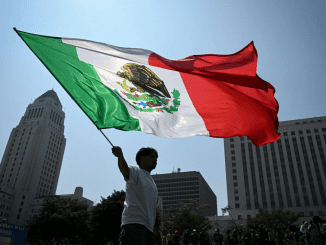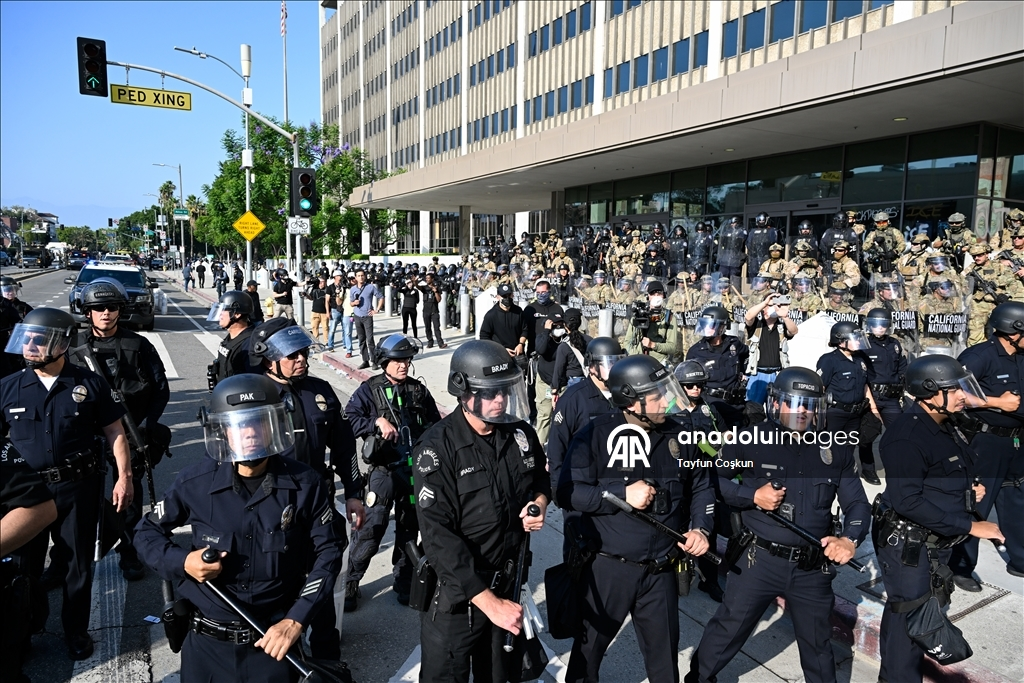
Frustration is mounting in cities across the U.S. as protests by undocumented immigrants, often waving flags of their home countries, collide with growing concerns about urban disorder. In 2025, demonstrations in places like Chicago and Los Angeles have spotlighted the contentious debate over immigration enforcement, with some residents decrying the displays as disrespectful amid rising crime and strained public resources. A 2025 Pew Research Center poll shows 54% of Americans now support stricter deportation policies, up from 41% in 2020, reflecting a shift in public sentiment.
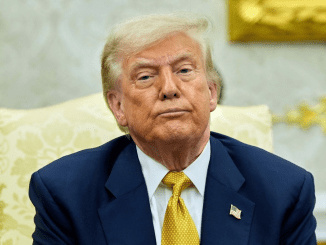
President Trump’s aggressive immigration agenda, backed by executive orders like the January 20, 2025, “Protecting the American People Against Invasion,” has intensified enforcement. ICE arrested 158,000 undocumented immigrants in 2025, with 75% having criminal convictions or charges, per DHS data. Raids on sanctuary cities and workplaces, including a high-profile operation in Pennsylvania, have sparked backlash, with critics like Rep. Alexandria Ocasio-Cortez calling them “inhumane.” Yet, supporters argue that unchecked immigration fuels chaos, pointing to a 12% rise in violent crime in urban areas since 2022, according to FBI statistics.
Advocates for immigrants, including the American Immigration Council, warn that mass deportations—costing an estimated $315 billion—could devastate communities and economies, given undocumented workers’ contributions in agriculture and hospitality. Protests, often led by groups like Unides Para Servir, demand protections for the 11 million undocumented immigrants estimated in the U.S. Meanwhile, calls to “deport every one” grow louder among frustrated locals. As cities grapple with competing crises, the question remains: can America balance enforcement with compassion, or will division deepen?