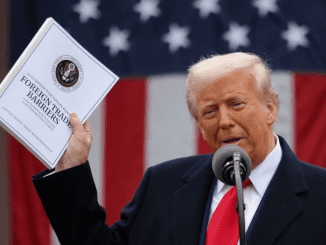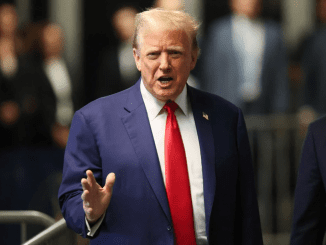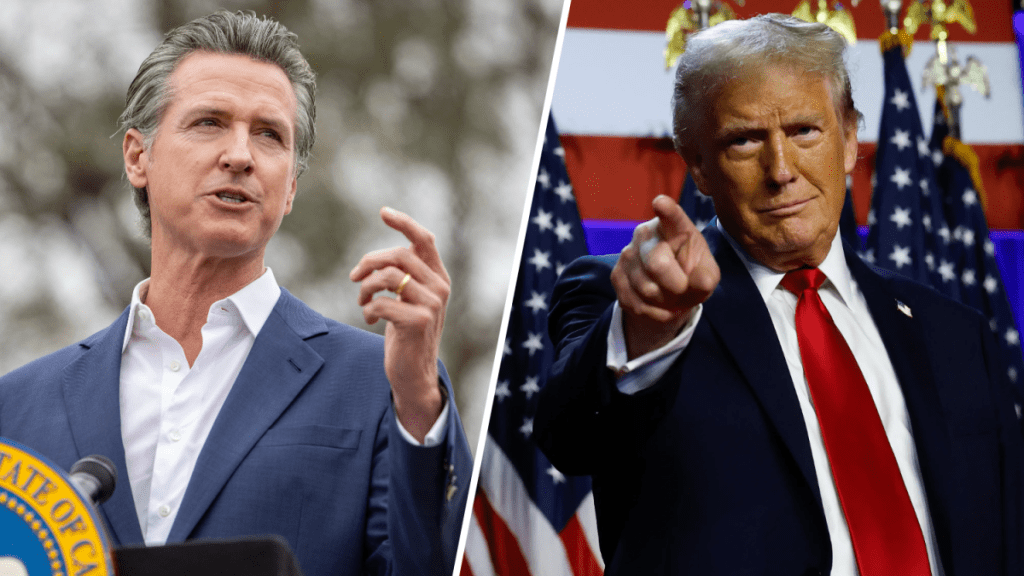
On July 18, 2025, California Gov. Gavin Newsom announced a lawsuit against the Trump administration for abruptly terminating $4 billion in federal grants for the state’s high-speed rail project. Filed in the U.S. District Court in Los Angeles, the suit claims the decision was “arbitrary and capricious,” driven by President Donald Trump’s “personal animus” toward California rather than project merits. Newsom called it a “heartless attack” on the Central Valley, risking 15,500 jobs and economic growth.
The project, approved by voters in 2008 for $33 billion, aimed to connect San Francisco to Los Angeles by 2020 but has ballooned to $128 billion with no completed track. The Trump administration, led by Transportation Secretary Sean Duffy, justified the cut, citing a June 2025 Federal Railroad Administration report highlighting missed deadlines, a $7 billion shortfall, and no viable completion plan by 2033. Trump labeled it a “train to nowhere,” vowing no further federal funds.
California’s High-Speed Rail Authority, led by CEO Ian Choudri, insists it has met all obligations, with 171 miles under construction, 50 major structures built, and track-laying imminent. Newsom argued the project is America’s only active high-speed rail, warning its cancellation hands China a competitive edge. Critics, like Rep. Kevin Kiley, applaud the cut, calling the project a historic boondoggle. As legal battles loom, the clash raises a pivotal question: is Trump’s decision a prudent halt to wasteful spending or a political jab threatening California’s infrastructure ambitions?