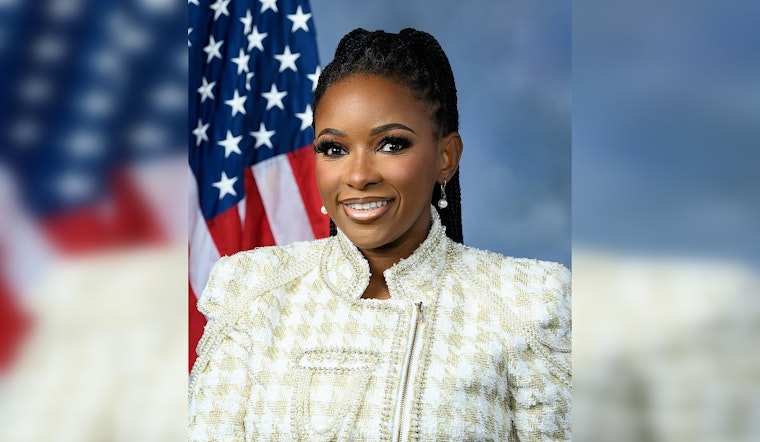
Black Women’s Equal Pay Day, marked annually, underscores a harsh reality: Black women earn just 66 cents for every dollar a white man makes for the same work. Representative Jasmine Crockett recently highlighted this stark disparity, emphasizing the financial toll it takes. The gap translates to thousands of dollars lost annually, compounding to hundreds of thousands over a lifetime. This systemic inequity, rooted in both race and gender, demands urgent attention.
Despite progress in workplace diversity, Black women remain undervalued and underpaid. Data from the U.S. Bureau of Labor Statistics shows that in 2024, Black women’s median earnings lagged significantly behind white men’s, even when controlling for job type, education, and experience. This isn’t just a paycheck issue—it’s a barrier to wealth-building, retirement security, and economic stability. The ripple effects hit families and communities hard, perpetuating cycles of inequality.
Advocates argue the solution lies in policy and accountability. Pay transparency laws, stronger enforcement of anti-discrimination measures, and corporate audits could close the gap. Yet, resistance persists. Some employers claim market forces dictate wages, ignoring how bias shapes hiring, promotions, and evaluations. Others downplay the issue, framing it as a personal responsibility rather than a structural failure.
Crockett’s call to “pay Black women, period” resonates as both a demand and a rallying cry. It challenges leaders to act decisively—whether through legislation or cultural shifts in workplaces. Black Women’s Equal Pay Day shouldn’t exist, but as long as it does, it serves as a reminder of the work left undone. Closing the wage gap isn’t just about fairness; it’s about recognizing the full value of Black women’s labor. The time for change is now.