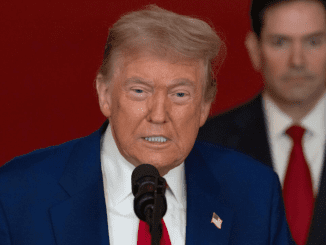
The FBI has begun arresting judges accused of obstructing Immigration and Customs Enforcement (ICE) efforts to detain undocumented immigrants, intensifying President Trump’s immigration enforcement agenda. A prominent case involves Milwaukee County Circuit Judge Hannah Dugan, arrested on April 25, 2025, for allegedly helping Eduardo Flores-Ruiz, a Mexican national, evade ICE by escorting him out a non-public courthouse exit. Dugan faces federal charges of obstruction and concealing a person from arrest, with potential penalties of up to six years in prison. A similar case in Massachusetts against Judge Shelley Joseph, unresolved since 2018, underscores the rarity of such prosecutions.
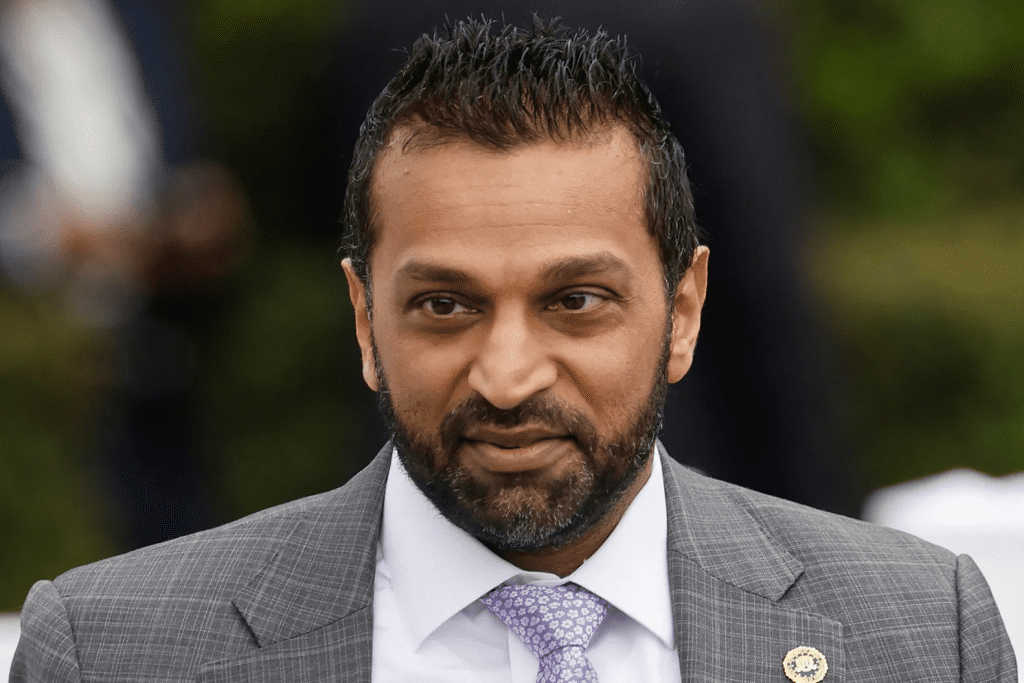
The arrests reflect the administration’s hardline stance, with FBI Director Kash Patel framing them as accountability for thwarting federal law. ICE has detained over 158,000 individuals since January 2025, amid Trump’s push for mass deportations. Supporters argue that judges aiding undocumented immigrants undermine national security and voter mandates for strict enforcement. The Justice Department emphasizes that no one, including judges, is above the law.
Critics, including over 150 former judges, denounce the arrests as an assault on judicial independence. They argue that judges like Dugan protect courtroom integrity, not criminals, and fear the prosecutions intimidate the judiciary. The ACLU warns that targeting judges escalates tensions in an already fraught immigration landscape, potentially chilling due process. Legal battles loom, with Dugan’s defense citing judicial immunity.
These arrests have polarized opinions, aligning with Trump’s aggressive deportation goals but raising questions about overreach. As ICE ramps up operations, the nation debates whether this crackdown fulfills voter intent or risks eroding democratic checks. The outcome of these cases could redefine the judiciary’s role in immigration enforcement.