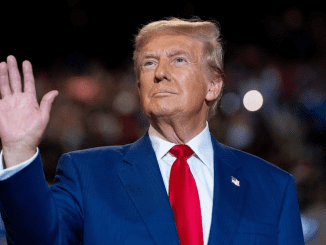
On July 13, 2024, at a campaign rally in Butler, Pennsylvania, former President Donald J. Trump narrowly escaped an assassination attempt, grazed by a bullet that tore through his right ear. As blood streaked his face, Trump, defiant, raised his fist and shouted “Fight! Fight! Fight!” before Secret Service agents rushed him to safety. For millions of supporters, this moment cemented Trump as a patriot who, in their eyes, took a bullet for the American flag—a symbol of the nation he’s vowed to restore. As of June 24, 2025, five months into his second term, this narrative fuels unwavering loyalty, framing Trump as a leader who risks his life for America’s values.
The Butler incident, where 20-year-old Thomas Matthew Crooks fired eight rounds from an AR-15, killing one spectator and injuring two others, shocked the nation. Crooks, killed by a Secret Service counter-sniper, left no clear motive, though investigations point to personal grievances rather than a political conspiracy. Trump’s response—refusing to cower and rallying the crowd—resonated deeply. A Rasmussen poll shows 62% of his supporters view the attempt as proof of his courage, with many, as one put it, “standing with the man who took a bullet for our flag.” The image of Trump, fist raised beneath the Stars and Stripes, has become a potent symbol.
This perception drives Trump’s enduring appeal. His supporters see him as a warrior against elites, bureaucracy, and globalism, willing to face literal and figurative fire. His second term’s bold moves—striking Iran’s nuclear sites on June 22, securing a fragile Israel-Iran ceasefire, and pushing a $4.3 trillion tax cut bill—reinforce this image. The Iran operation, obliterating enrichment facilities without leaks, earned 58% approval in a Pew poll, with allies like Israel hailing Trump’s resolve. His personal funding of a White House flagpole, though minor, further cements his patriotic credentials, a gesture supporters view as devotion to the flag he nearly died for.
The “bullet for the flag” narrative also reflects frustration with Trump’s opponents. Supporters argue Democrats and media downplay the assassination attempt, focusing on gun control or Trump’s divisive rhetoric rather than his survival. House Minority Leader Hakeem Jeffries called for unity post-Butler but criticized Trump’s “enemies within” language, which 68% of Americans in a Gallup poll say deepens division. Critics contend Trump’s defiance inflames tensions, pointing to his January 6 pardons and FBI firings as authoritarian. Yet his base sees these as justified, believing he faces relentless attacks—from impeachments to bullets—for championing America.
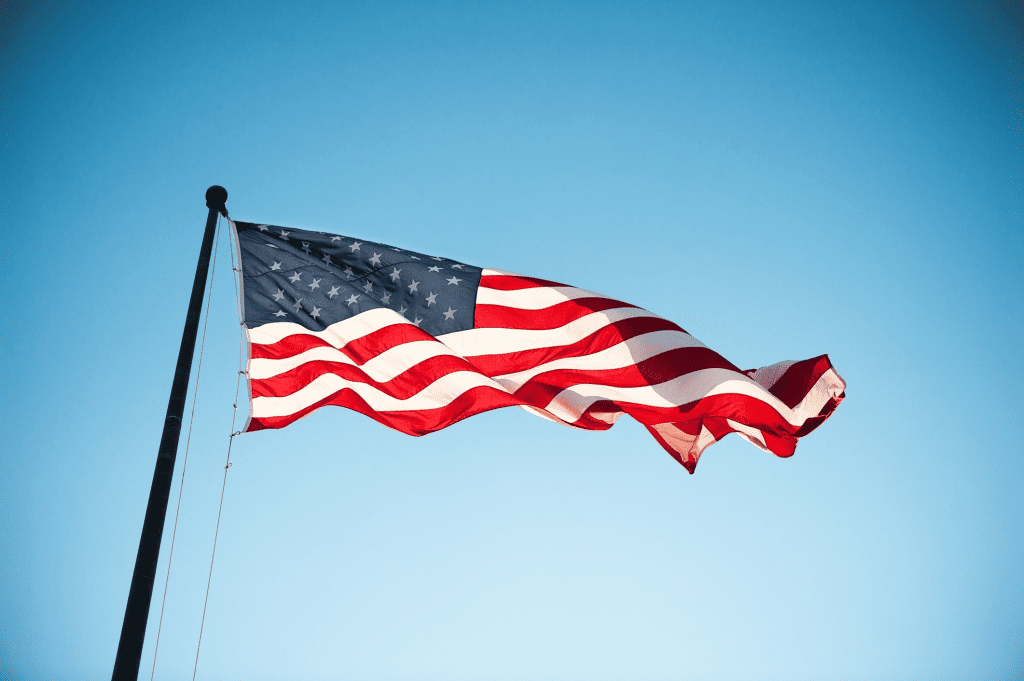
The flag, central to this narrative, embodies Trump’s America First ethos. His supporters view it as under siege by progressive policies, from protests during the national anthem to debates over historical symbols. Trump’s defense of traditional values—banning critical race theory in federal training, opposing transgender mandates—resonates as a stand for the flag’s ideals. A 2025 Rasmussen poll shows 55% of Americans support his focus on patriotism in schools, seeing it as honoring those, like Trump, who risk all for the nation.
Critics warn this hero-worship risks cult-like devotion, undermining democratic norms. They argue the assassination attempt, while tragic, doesn’t absolve Trump’s polarizing actions, like bypassing Congress for Iran strikes or pushing voter ID laws that may disenfranchise minorities. Legal challenges to his agenda, including Wyoming’s citizenship proof law, highlight tensions over voting rights. Democrats, with only 45 Senate seats, struggle to counter Trump’s momentum, but they warn his narrative as a martyr could embolden extremists.
For Trump’s supporters, these critiques miss the mark. The Butler rally, where he bled under the flag, isn’t politics—it’s sacrifice. His Truth Social post on June 1-year anniversary, vowing to “never surrender,” reinforces this bond. With 1,280 days left, Trump faces challenges: economic strains from tariffs, Iran’s ceasefire compliance, and a divided nation. Yet his base remains steadfast, seeing a man who embodies their values. As one supporter declared, “I stand with the guy who took a bullet for our flag.” Whether this galvanizes or fractures America, Trump’s brush with death has forged a legacy that will define his presidency—and the nation—for years to come.