In March 2025, Senator Bernie Moreno (R-OH) introduced the Allegiance Act of 2025, a bill to prohibit foreign flags from being flown inside the U.S. Capitol, ensuring that only American flags adorn the nation’s legislative heart. This move, echoed by similar efforts in the House, reflects a growing sentiment that the Capitol should exclusively symbolize American sovereignty. As a journalist, I aim to explore the motivations behind this legislation, its implications for national identity, and the debates it has ignited in a polarized political climate.
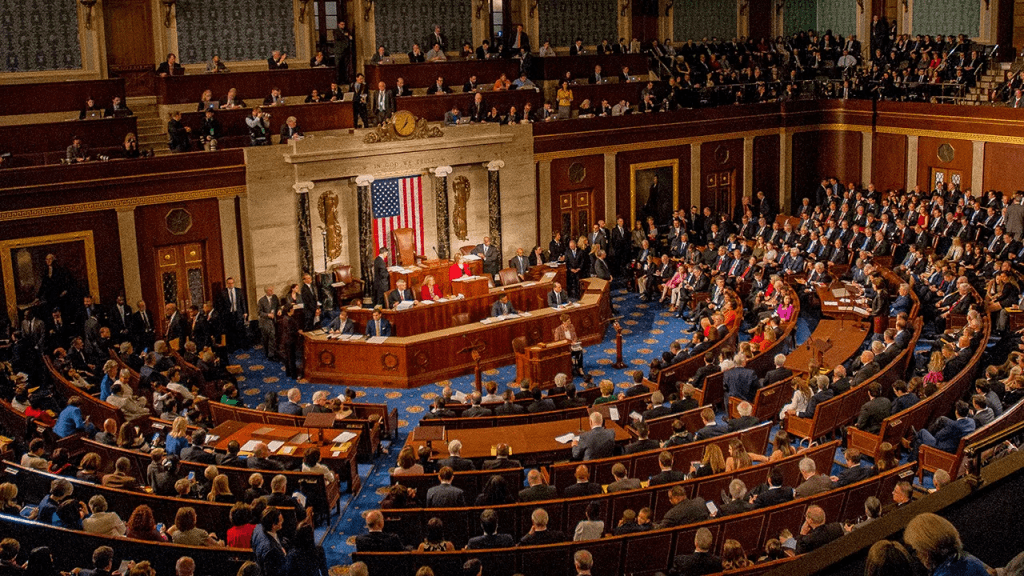
The Allegiance Act, introduced by Moreno, a Colombian-born senator who swore allegiance to America as a child, responds to instances like lawmakers waving Ukrainian flags on the House floor in 2024 to celebrate foreign aid bills. Moreno and supporters argue that such displays undermine the Capitol’s role as a symbol of American unity. The bill, spanning just two pages, seeks to ban foreign flags outright, with no exceptions for diplomatic gestures or exhibits. Proponents, including Representatives Kat Cammack and Max Miller, who introduced similar House resolutions, assert that the Capitol should reflect unwavering loyalty to the U.S., especially amid tensions over foreign aid and border security.
This push aligns with broader “America First” priorities under the Trump administration. Moreno has criticized sending billions overseas while Americans face economic struggles, a view resonating with those who see foreign flags as symbols of misplaced priorities. In Alabama, where concerns over foreign ownership of 2.2 million acres of farmland (none by China, despite claims) fuel nationalist sentiment, the bill taps into fears of eroding sovereignty. Supporters argue that displaying only American flags reinforces national pride and honors the sacrifices of servicemembers.
Critics, however, view the bill as exclusionary and petty. Civil rights groups, like Lambda Legal, argue that banning foreign flags could extend to symbolic gestures, such as Pride flags, signaling intolerance. They note that diplomatic displays, like those for visiting dignitaries, foster international goodwill. Opponents also highlight the Capitol’s role as a global symbol, where foreign flags have occasionally been displayed during state visits or ceremonies. In a diverse nation, they argue, such a ban risks alienating communities with cultural ties abroad.
The bill’s passage is uncertain, though Republican majorities in Congress bolster its chances. The House’s 2024 resolution, H.Res.1170, which banned foreign flags on the floor but allowed lapel pins or debate exhibits, faced less resistance than Moreno’s broader proposal. Enforcement, handled by the Sergeant-at-Arms, could spark logistical debates. As the Capitol Flag Program flies thousands of American flags annually for constituents, the symbolic weight of this legislation is clear.
The Allegiance Act reflects a broader cultural battle over national identity. While supporters see it as a stand for American exceptionalism, critics warn it could deepen divisions. In July 2025, as Congress debates, the question remains: will the Capitol fly only the Stars and Stripes, or will it remain a space for global dialogue?