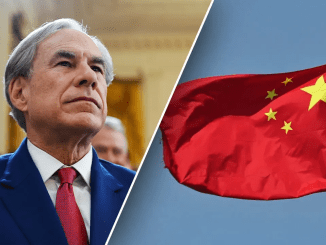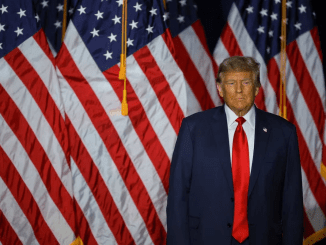
A stark narrative has taken hold in America’s polarized discourse: red states, led by Republican policies, deliver peace and order, while blue states, under Democratic governance, foster chaos and crime. This sentiment, amplified by supporters of President Donald Trump’s second term, paints a binary picture of the nation as it navigates its 249th year. With red states touting strict immigration enforcement and tax cuts, and blue states emphasizing inclusivity and social programs, the debate over which model better serves America reveals deep ideological rifts, though data paints a more nuanced reality.
Proponents of the “red state order” argument point to policies aligning with Trump’s “America First” agenda. Red states like Texas and Florida have embraced mass deportations, with facilities like “Alligator Alcatraz” detaining 3,000 undocumented immigrants since July 2025. Texas Governor Greg Abbott’s bill making vote tampering a felony and Florida’s ban on rainbow crosswalks reflect a focus on law enforcement and cultural conservatism. Supporters cite lower crime rates in some red states—Montana’s murder rate of 3.2 per 100,000 compared to California’s 4.8, per 2024 FBI data—as evidence of stability. Economic policies, like Trump’s property tax abolition proposal and the Senate’s no-tax-on-Social-Security bill, resonate in red states, with 94% of Trump voters unwavering, per a July 2025 poll.
Blue states, meanwhile, are cast as breeding grounds for disorder. Critics highlight cities like Chicago and San Francisco, where property crime rates—3,424 and 4,827 per 100,000, respectively—exceed national averages. California’s budget crisis, worsened by resistance to Trump’s Medicaid cuts, and protests over the closure of a Los Angeles transgender youth clinic fuel perceptions of unrest. Governor Gavin Newsom’s defiance of federal orders, like refusing to remove rainbow crosswalks, is seen as prioritizing ideology over governance. The People’s Unity Project’s campaign against welfare cuts and North Carolina Governor Josh Stein’s veto of a two-gender bill are cited as examples of blue states embracing progressive policies that critics argue invite chaos.
Yet, the data complicates this narrative. Red states like Louisiana and Missouri have higher murder rates—11.4 and 9.8 per 100,000—than blue states like New York (4.2). Blue states often lead in economic output, with California’s $3.9 trillion GDP dwarfing Texas’ $2.4 trillion. Urban crime, while high in some blue cities, is offset by safer suburbs, and red states face challenges like rural opioid deaths, with West Virginia reporting 57 per 100,000 in 2023. Immigration enforcement, a red state hallmark, has sparked economic concerns, with deportations potentially costing $315 billion, per the American Immigration Council. Meanwhile, blue states’ social programs, like New York’s expanded Medicaid, have reduced uninsured rates to 5%, compared to 16% in Texas.
The divide is as much cultural as statistical. Red states’ embrace of policies like “American Pride Month” and bans on transgender military service reflects a vision of traditional values, backed by 58% of Americans in a 2025 Gallup poll favoring stricter cultural norms. Blue states, with initiatives like Tulsa’s $105 million reparations trust, prioritize inclusivity, resonating with 65% who support diversity, per Pew Research. Trump’s policies—139,000 ICE arrests and tariff hikes—bolster red state narratives of control, but critics warn of economic fallout, with 59% disapproving of tariffs due to rising prices. Blue states’ resistance, like legal challenges to “Alligator Alcatraz,” underscores a commitment to rights over order, though it risks federal funding cuts.
The 2026 midterms will test these competing visions. Republicans, holding a 53-47 Senate majority, eye flipping blue state seats in Michigan and New Hampshire, leveraging “order” rhetoric. Democrats counter that red state policies, like cutting 12 million from Medicaid, create social instability. Legal battles, including suits against Trump’s executive orders, will shape the debate, with courts scrutinizing moves like the rainbow crosswalk ban. For now, the red-blue divide—order versus chaos—oversimplifies a complex nation. Red states’ low-tax, high-enforcement model appeals to some, but blue states’ focus on equity drives innovation, with 70% of U.S. patents filed in blue regions.As America grapples with its identity, the “peace versus chaos” narrative fuels division more than clarity. Both sides claim to uphold the nation’s strength—red states through discipline, blue states through inclusion. With economic uncertainty, cultural clashes, and a $1.7 trillion deficit looming, the truth lies in the gray: no state is immune to challenges, and no model guarantees salvation. The path forward hinges on whether America can bridge this divide or remain locked in caricature.