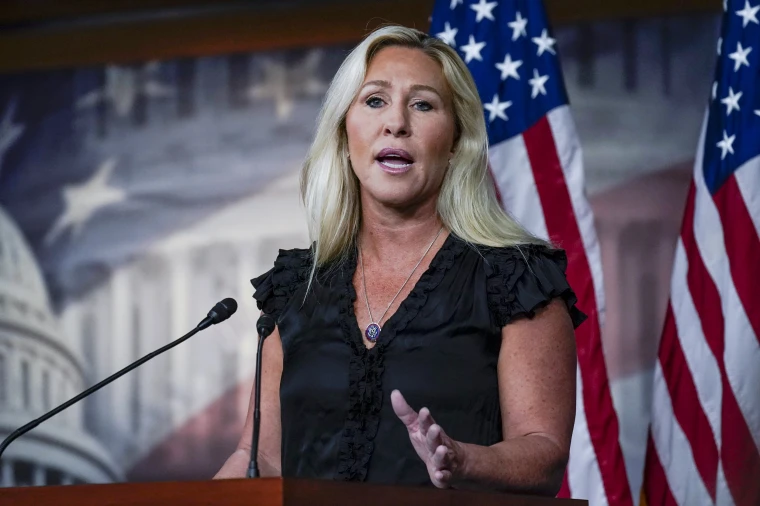
Washington, D.C., April 13, 2025 – Representative Marjorie Taylor Greene (R-GA) has sparked controversy by calling for mandatory drug testing for all members of Congress, a proposal that follows her recent push for annual physical exams for lawmakers. Greene’s statement, made on April 12 via posts on X, comes amid her ongoing campaign for greater transparency in government, though it has reignited debates over privacy and practicality in Congress.
Greene’s latest call builds on her earlier advocacy for health disclosures, as reported by Newsweek, where she suggested lawmakers publicly reveal their alcohol use and medications, claiming some are “barely functioning” and overly reliant on staff. Her history with drug testing proposals dates back to 2023, when she demanded tests for White House staff and the Biden family after cocaine was found in the West Wing. That incident, which the Secret Service could not tie to any individual, led to criticism of Greene’s baseless accusations against the Bidens, who were at Camp David at the time, per Newsweek and the Washington Examiner.
The congresswoman’s renewed push for drug testing has not yet materialized into formal legislation as of April 13, but it has stirred public discussion. On X, reactions are divided—some users support the idea, arguing it ensures accountability and fitness for office, while others dismiss it as a publicity stunt, pointing to Greene’s history of controversial statements. She was notably censured in 2023 for calling Homeland Security Secretary Alejandro Mayorkas a “liar,” as reported by CNN, and has faced scrutiny for past inflammatory rhetoric.
Legal experts question the feasibility of Greene’s proposal, noting that mandatory drug testing for elected officials could raise privacy concerns and enforcement challenges. The Constitution grants Congress significant autonomy over its internal rules, but such a policy would likely face pushback over individual rights. Supporters, however, argue it’s a necessary step to ensure lawmakers are capable of serving, especially given Greene’s claims about some members’ diminished capacity.
Congressional leadership has not yet responded to the proposal, but it taps into broader debates about ethics and oversight in government. Greene’s call comes at a time of heightened scrutiny over congressional behavior, with ongoing discussions about age, health, and accountability in politics. Whether her idea gains traction remains uncertain, but it underscores the polarizing nature of her tenure as she continues to champion transparency in her own provocative way.