In the wake of the expanded U.S. travel restrictions effective January 1, 2026, which include Somalia among several nations, the question of endorsing a total ban on travel from this East African country has ignited heated debate. Proponents argue that such measures are essential for national security, citing Somalia’s ongoing instability, the presence of terrorist groups like Al-Shabaab, and historical links to threats against American interests. The Trump administration’s proclamation emphasizes risks from inadequate identity verification and potential for concealed threats, framing the ban as a proactive shield against terrorism and crime. Supporters, including some lawmakers, point to past incidents where Somali nationals were involved in attacks, insisting that limiting entry protects citizens without broadly discriminating.
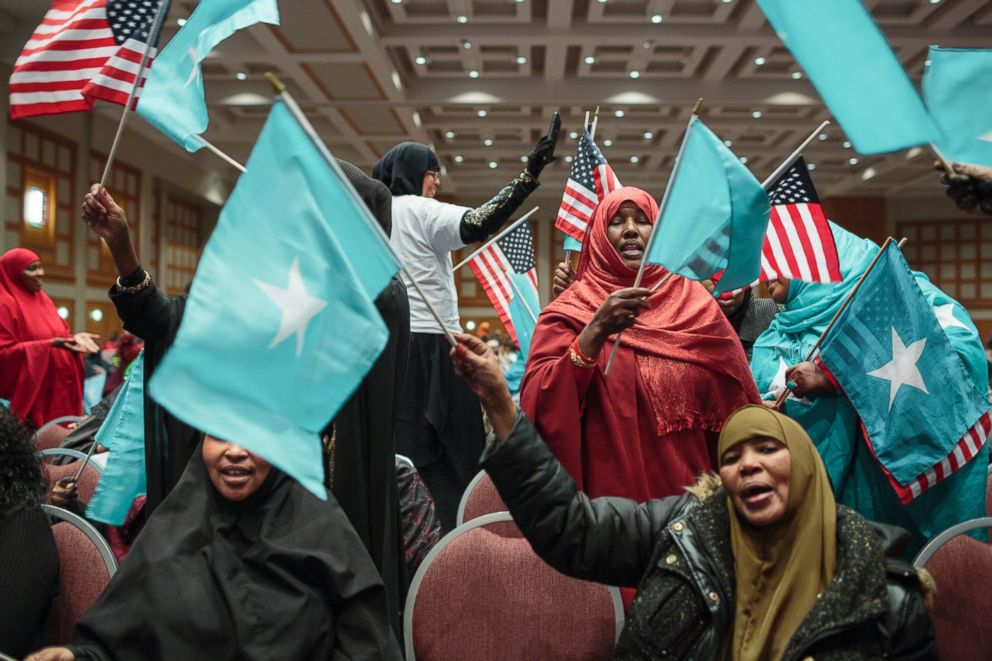
Critics, however, decry the policy as overly broad and ineffective. Human rights advocates highlight that immigrants from banned countries, including Somalia, have lower rates of terrorism involvement than native-born Americans, per various studies. They argue the ban exacerbates humanitarian crises, separating families and stifling economic contributions from Somali diaspora communities in states like Minnesota. Economically, it could hinder global events like the 2026 World Cup, deterring fans and businesses. Opponents label it discriminatory, echoing past “Muslim ban” controversies, and suggest targeted vetting over blanket restrictions would better balance security and compassion.
Public opinion remains divided. Polls show stronger support among conservatives prioritizing border control, while liberals view it as xenophobic. As enforcement ramps up, with ICE operations targeting Somali immigrants, the ban’s long-term impact on diplomacy and U.S. image abroad is uncertain. Ultimately, supporting a total travel ban hinges on weighing security imperatives against values of inclusivity and evidence-based policy. In a polarized era, the answer may reveal more about societal fears than actual threats.