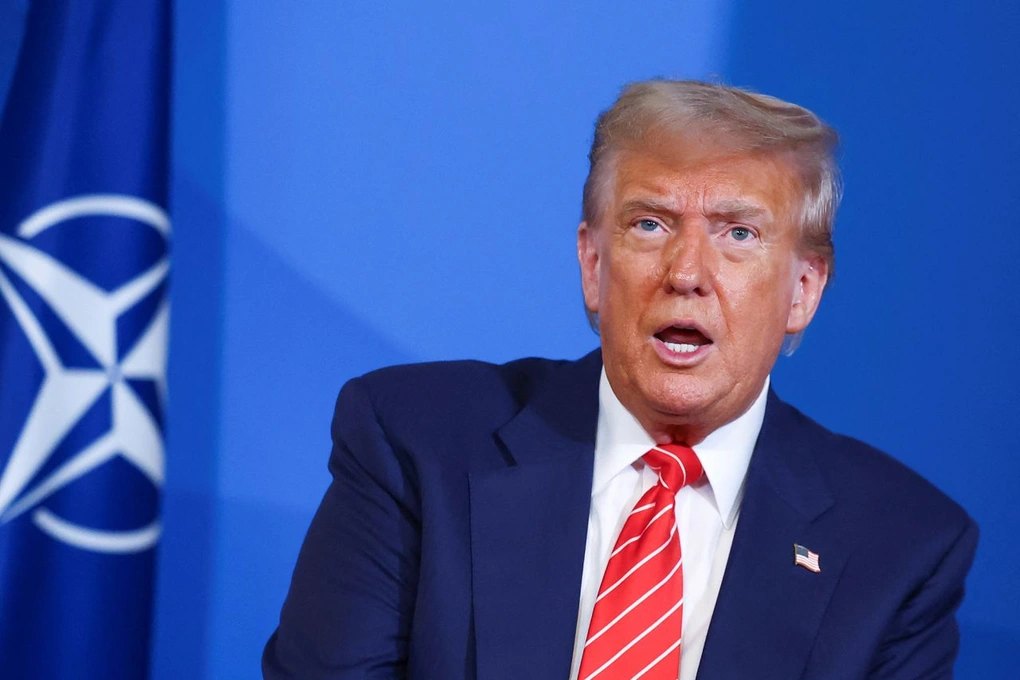
As the 2024 presidential election fades into memory, the question lingers: if the election were held today, would I cast my vote for Donald Trump again? This is not a simple yes-or-no query but a reflection on a polarizing figure whose influence on American politics remains seismic. Writing as a journalist, I aim to dissect this question with clarity, weighing the factors that drive voters to Trump’s camp and those that push others away, all while grappling with the hypothetical scenario of an election unfolding now, in July 2025.
Donald Trump’s appeal has always been rooted in his outsider status, a trait that resonates with millions who feel alienated by the political establishment. His promises to upend the status quo, cut through bureaucratic red tape, and prioritize American interests struck a chord in 2016 and 2020, and they carried him to victory in 2024. His rhetoric—blunt, unpolished, and often provocative—offers a sense of authenticity to supporters who see him as a fighter against elite interests. Policies like tax cuts, deregulation, and a hardline stance on immigration continue to galvanize his base. If the election were today, these strengths would still hold weight for many. The economy, though volatile, has shown resilience in some sectors, and Trump’s messaging on job creation and energy independence would likely appeal to voters frustrated by rising costs or global uncertainties.
Yet, Trump’s tenure and campaign style are not without baggage. His presidency, both past and present, has been marked by controversies that alienate as many as they attract. From legal battles to polarizing remarks, Trump’s leadership often feels like a lightning rod for division. Critics point to his handling of crises—whether the COVID-19 pandemic or social unrest—as evidence of chaos over competence. His rhetoric, while energizing to some, is seen by others as divisive, alienating moderates who crave stability. If the election were today, these concerns would weigh heavily. The fatigue of constant political drama could deter swing voters, especially in a hypothetical scenario where fresh candidates might emerge to challenge his dominance.
The state of the opposition also matters. In 2024, Trump faced a Democratic Party struggling to unify behind a single vision. If the election were today, would the Democrats have coalesced around a stronger candidate or message? The hypothetical nature of this question allows for speculation: a revitalized Democratic nominee, perhaps a pragmatic governor or a charismatic newcomer, could shift the dynamics. Issues like climate change, healthcare reform, and social justice remain potent for younger voters, and a candidate who articulates these priorities without the baggage of past administrations could pose a real threat to Trump’s coalition.
Global and domestic contexts also shape this decision. In July 2025, the world faces ongoing tensions—economic pressures from inflation, geopolitical rivalries, and debates over technology’s role in society. Trump’s “America First” doctrine appeals to those who prioritize national sovereignty, but his approach to international alliances could alienate voters worried about global stability. Domestically, cultural divides over issues like education, free speech, and immigration remain raw. Trump’s ability to frame himself as a defender of traditional values would likely rally his base, but it risks further polarizing a nation already stretched thin by ideological battles.
If I were to vote today, my decision would hinge on a balance of pragmatism and principle. Trump’s record shows a knack for disrupting entrenched systems, which can be a strength in a world resistant to change. But disruption without cohesion can lead to instability, and his leadership often lacks the steady hand needed for nuanced challenges. Would I vote for him again? The answer depends on the alternatives and the moment. If the opposition fails to offer a compelling vision, Trump’s unapologetic clarity might still win out. But if a candidate emerges who can bridge divides while addressing urgent issues like economic inequality or global competition, I’d lean toward change.
In the end, the question isn’t just about Trump—it’s about what America needs now. His supporters see a champion; his detractors see a liability. As a journalist, I’d urge voters to look beyond the noise, weigh the evidence, and ask: does Trump’s vision align with the future we want? In July 2025, that answer remains as complex as the man himself.