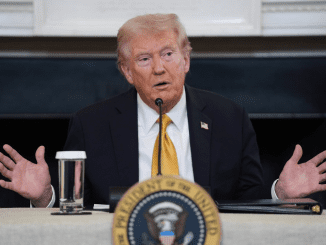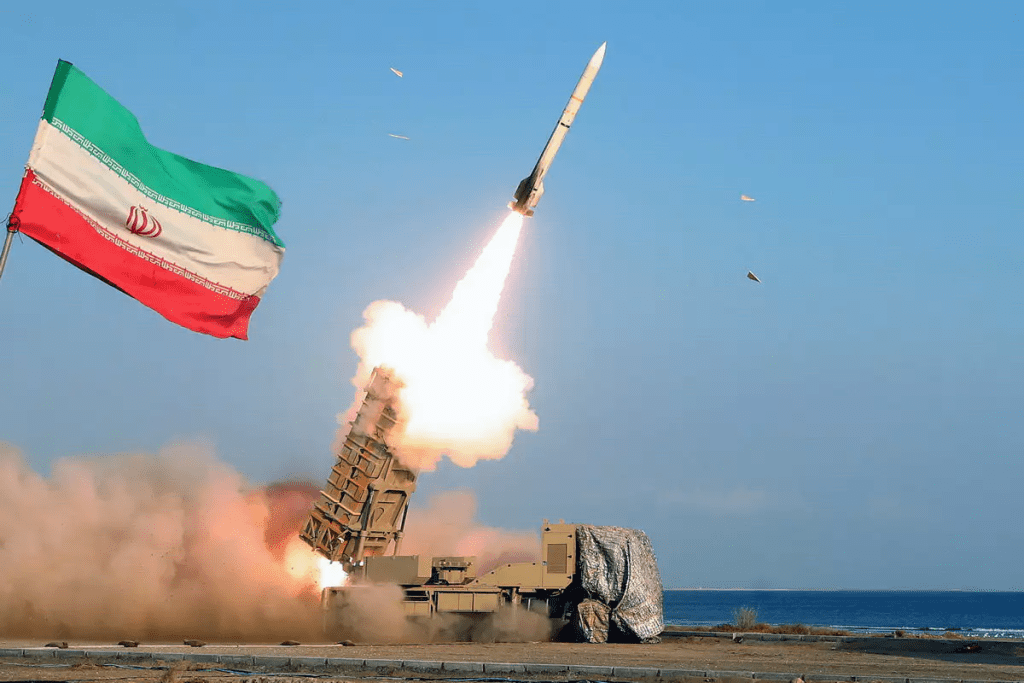
On June 24, 2025, the question reverberates across America: why do some struggle to see that halting Iran’s nuclear program is a clear expression of President Donald J. Trump’s America First doctrine? The U.S. airstrikes on June 22, which obliterated Iran’s nuclear facilities at Fordow, Natanz, and Isfahan, have sparked both praise and criticism. For supporters, the operation was a decisive act to protect national security, prioritizing American interests over globalist hesitancy. Yet detractors, particularly on the left, view it as reckless escalation, revealing a divide in understanding why neutralizing Iran’s nuclear threat is fundamentally about putting America first.
Iran’s pursuit of nuclear weapons has long been a menace. By 2024, the International Atomic Energy Agency reported Tehran had amassed over 400 kilograms of uranium enriched to 60%, perilously close to weapons-grade. Coupled with its missile attacks on Israel and support for terrorist proxies like Hezbollah, Iran posed a direct threat to U.S. allies and interests. A nuclear-armed Iran could destabilize the Middle East, disrupt oil supplies, and embolden adversaries like China and Russia. For Trump’s base, the strikes—executed with zero leaks by excluding Democratic leaders—were a bold move to safeguard America’s safety and economic stability, core tenets of America First.
The strikes’ success underscores this priority. U.S. B-2 bombers, using bunker-buster munitions, destroyed Iran’s deeply fortified facilities, setting back its nuclear program by years. The operation, followed by a fragile Israel-Iran ceasefire brokered by Trump on June 23, showcased American strength. A Rasmussen poll shows 58% of Americans approve, seeing it as a defense of national interests. Israel, a key ally, hailed Trump’s resolve, with Prime Minister Benjamin Netanyahu calling it a “game-changer.” Supporters argue that preventing a nuclear Iran protects U.S. troops, bases like Al Udeid in Qatar, and global trade routes, all vital to American prosperity.
So why the resistance? Critics, including Democrats like Senate Minority Leader Chuck Schumer, argue the strikes risked a wider war, pointing to Iran’s retaliatory missile launch on Al Udeid, which caused no damage. They champion diplomacy, citing the 2015 Joint Comprehensive Plan of Action (JCPOA), which limited Iran’s nuclear activities in exchange for sanctions relief. The left sees Trump’s unilateral action—bypassing Congress and allies—as divisive, with 68% of Americans in a Gallup poll noting increased polarization. They fear escalation could raise oil prices, already volatile at $68 a barrel, or entangle the U.S. in another Middle East conflict, draining resources.
Supporters counter that diplomacy has failed. The JCPOA, which Trump exited in 2018, unfroze $150 billion in Iranian assets, some allegedly funding terrorism. Biden’s 2023 release of $6 billion for humanitarian aid didn’t stop Iran’s missile barrages. For America First advocates, these payments emboldened an “evil” regime, as Trump labeled it, whose “Death to America” chants reveal its intent. A nuclear Iran could hold the U.S. hostage, threatening allies and global markets. The strikes, by contrast, reset the balance, forcing Iran to negotiate on U.S. terms: no nukes, no enrichment, no terrorism.
The disconnect lies in worldview. Critics prioritize multilateralism and restraint, fearing Trump’s actions isolate allies like France, which criticized the strikes’ lack of “legal framework.” Supporters see this as globalist naivety, arguing America’s security can’t wait for consensus. The U.S.’s unmatched military—bolstered by a $150 billion budget hike in the pending reconciliation bill—gives it leverage to act alone. Trump’s secrecy, excluding Democrats to prevent leaks, ensured success, with 60% of Americans in a Pew poll valuing results over process.
Economic and strategic stakes reinforce the America First case. A nuclear Iran could spike oil prices, hitting Americans at the pump. Its proxies threaten U.S. bases, with 8,000 troops at Al Udeid alone. By acting decisively, Trump protected these interests, projecting strength that deters adversaries like China. Yet critics’ fears—of Iranian retaliation or strained alliances—persist, with Europe urging diplomacy. As Trump declared on June 22, “America’s safety comes first.” For many, stopping Iran’s nukes isn’t just policy—it’s patriotism, ensuring the U.S. remains secure and supreme. The debate rages, but for supporters, the answer is clear: America First means no nuclear Iran, period.