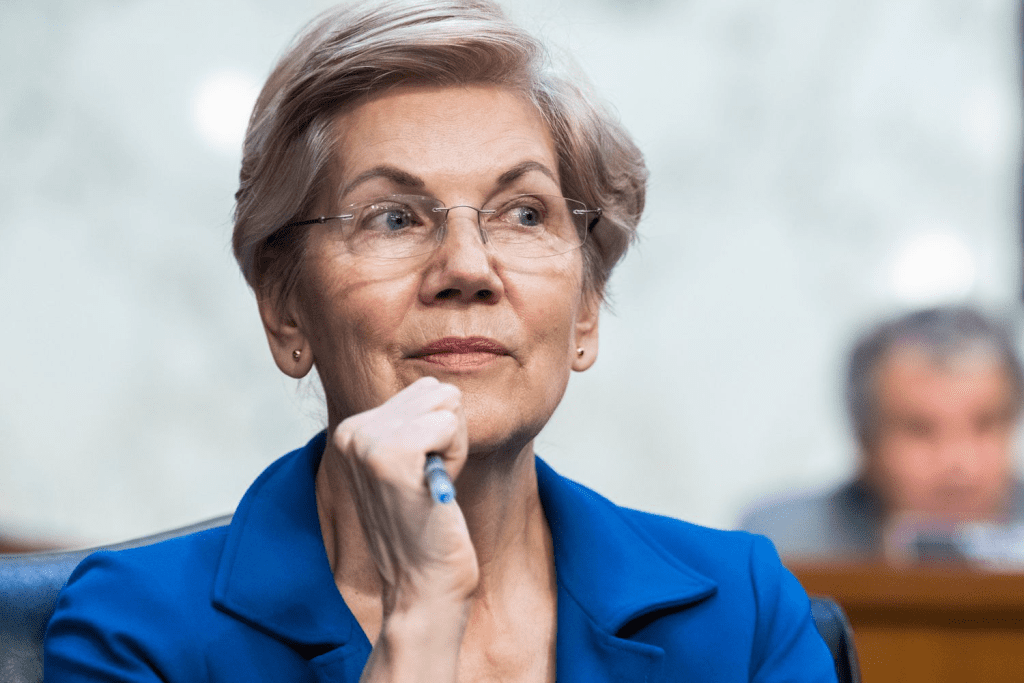
Senator Elizabeth Warren (D-Mass.) has endorsed government-operated grocery stores to address food deserts and rising prices, reigniting controversy over federal intervention in the economy. Speaking at a Boston town hall on August 3, 2025, Warren argued that public groceries could ensure affordable, healthy food access in underserved areas, citing pilot programs in cities like Chicago. Critics, however, point to historical failures, like Venezuela’s state-run food markets, which led to shortages and corruption, as evidence that government involvement in retail often backfires.
Warren’s proposal, part of her broader economic equity platform, suggests federal subsidies to establish stores in low-income neighborhoods, modeled after municipal utilities. Supporters argue it could combat food insecurity affecting 13% of Americans, per 2024 USDA data. Opponents, including Republican Senator Tom Cotton, call it a “socialist disaster,” warning of inefficiencies and inflated costs. They cite the troubled history of government-run enterprises, like the U.S. Postal Service’s $9 billion deficit in 2024, as proof of mismanagement.
The debate taps into broader skepticism about government overreach, amplified by President Trump’s cuts to federal programs like USAID and SNAP benefits. Critics argue Warren’s plan would burden taxpayers and disrupt private markets, pointing to grocery chains like Walmart, which already serve low-income areas. Supporters counter that private retailers often neglect marginalized communities, leaving 39 million Americans in food deserts.
As the 2026 midterms loom, Warren’s proposal faces an uphill battle in a Republican-controlled Congress. The idea has sparked polarized reactions, with some praising its intent and others decrying it as a step toward economic collapse.