ByAdmin
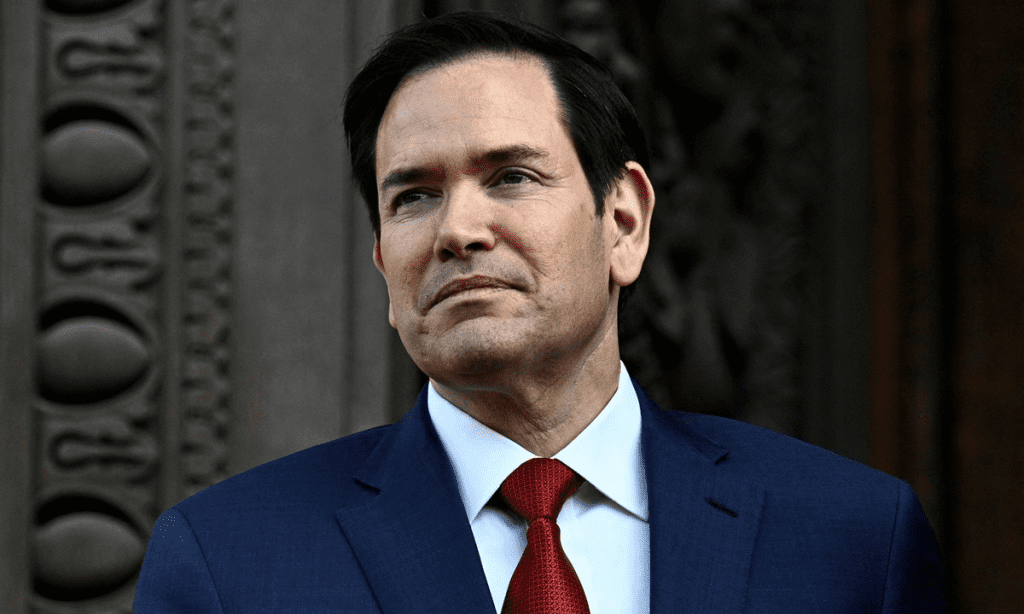
On July 1, 2025, Secretary of State Marco Rubio announced the official closure of the U.S. Agency for International Development (USAID), marking the end of a 64-year institution that once led global humanitarian efforts. The decision, part of President Donald Trump’s “America First” agenda, sees USAID’s remaining functions absorbed into the State Department, following a rapid dismantling that began with a 90-day aid freeze on Inauguration Day. Hailed by supporters as a bold move to curb wasteful spending, the shutdown has sparked fierce criticism from Democrats and humanitarian groups, who warn of catastrophic global consequences and a blow to U.S. influence.
USAID, established in 1961 under President John F. Kennedy, distributed over $40 billion annually in aid, supporting programs from disease prevention to disaster relief across 60 countries. Rubio, who assumed the role of acting administrator in February, criticized the agency for straying from its mission, alleging it fostered an “NGO-industrial complex” that failed to advance U.S. interests. He cited $89 billion spent in the Middle East since 1991, claiming it yielded little but anti-American sentiment. The closure followed a six-week review, with 83% of USAID’s 6,200 contracts—about 5,200 programs—canceled, saving tens of billions, according to Rubio. The remaining 1,000 programs, deemed aligned with national interests, will now operate under State Department oversight.
The Trump administration, backed by Elon Musk’s Department of Government Efficiency (DOGE), framed the shutdown as a necessary purge of inefficiency and fraud. Musk, who called USAID a “criminal organization,” bragged about feeding it into a “wood chipper,” resonating with Trump’s base, 94% of whom support his policies, per a June 2025 Rasmussen poll. The House Foreign Affairs Committee’s Republican majority praised the move, stating, “America First: Every Dollar, Every Diplomat.” Supporters argue that redirecting aid to prioritize U.S. strategic goals, like countering China’s influence, will yield better returns, with the State Department promising “targeted and time-limited” assistance.
Critics, however, decry the closure as illegal and reckless. USAID was created under the Foreign Assistance Act of 1961, and Democrats, including Senator Chris Van Hollen, argue that shuttering it without congressional approval violates the law. A federal judge in March 2025 ruled that the administration overstepped by sitting on billions in congressionally allocated funds, though a later appeals court decision allowed DOGE to proceed. The Lancet Medical Journal projected that the aid cuts could lead to 14 million additional deaths globally, including 4.5 million children, by halting programs like HIV/AIDS treatment and famine relief. In Syria, the Al-Hol displacement camp, serving 40,000 people, faces closure, while 31 of 41 malnutrition centers run by the International Rescue Committee received termination notices.
The dismantling process was chaotic. USAID’s headquarters in Washington, D.C., closed in February, with staff locked out and given 15-minute slots to collect belongings. Over 1,600 employees were laid off, and most of the remaining 13,000 were placed on leave, with only 290 deemed essential, per internal memos. Rubio delegated operations to Pete Marocco, a Trump appointee accused by aid groups of intentionally gutting the agency. Critics warn that the State Department lacks the capacity to manage USAID’s complex programs, potentially leaving a vacuum for adversaries like China to fill. A 2025 Partnership for Public Service report emphasized that only Congress can legally dissolve USAID, calling the move a dangerous precedent.
The closure aligns with Trump’s broader agenda, including the “Big Beautiful Bill” and policies targeting noncitizens. Supporters see it as a rejection of Biden-era excesses, which they claim wasted taxpayer dollars on ineffective global initiatives. Yet, the loss of USAID, responsible for 38% of global humanitarian aid, raises concerns about America’s soft power. Democrats argue it cedes influence to rivals, with Representative Rosa DeLauro warning that “millions have gone hungry” as aid rots in storage. As legal challenges continue and the 2026 midterms approach, the shutdown underscores a nation divided over its global role, with Rubio’s “America First” vision reshaping foreign aid at a profound human cost.