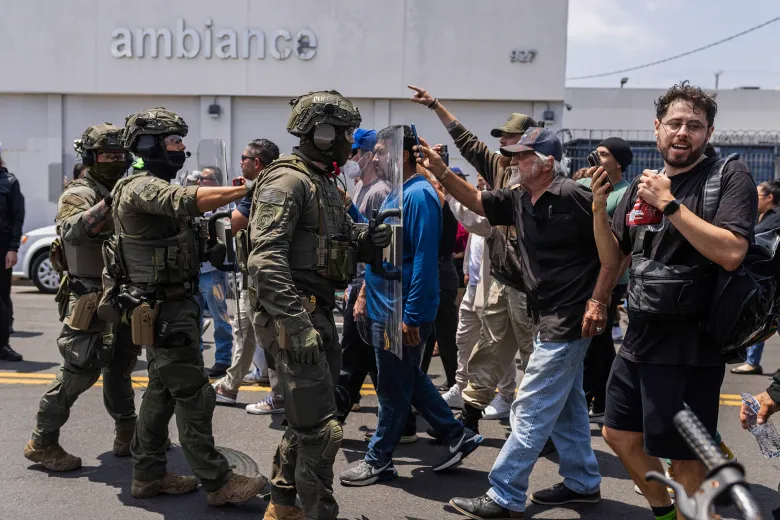
Amid President Trump’s aggressive push for mass deportations in early 2026, a groundswell of public support has emerged for U.S. Immigration and Customs Enforcement (ICE) and local law enforcement agencies carrying out the operations. Citizens across the country are voicing solidarity, declaring “Call me what you want, but I stand with ICE” in online forums, rallies, and everyday conversations.
Supporters argue that ICE agents are simply enforcing existing laws, removing individuals who entered or remained illegally, many with criminal records. Recent operations, including highway checkpoints in Florida yielding over 10,000 arrests and surges in Minnesota targeting fraud, are seen as long-overdue efforts to restore order and protect communities. Backers emphasize the risks officers face daily, praising their professionalism amid rising threats and political criticism.
Critics, however, accuse the administration of overreach, warning that broad enforcement separates families, instills fear in immigrant neighborhoods, and strains resources. Advocacy groups report increased hotline calls from concerned residents, while some Democratic-led cities reaffirm sanctuary policies, limiting cooperation with federal agents.
Yet, polls indicate strong backing among Republicans and independents for tougher immigration measures, with many viewing support for law enforcement as patriotic duty rather than controversy. Rallies featuring “Back the Blue” and pro-ICE signage have drawn thousands, countering narratives of widespread opposition.
As deportations accelerate—with chartered flights removing hundreds weekly—the divide sharpens. For those standing firmly with ICE, the message is clear: upholding the rule of law transcends labels. In this charged climate, public sentiment could shape midterm elections and the future of enforcement policy.