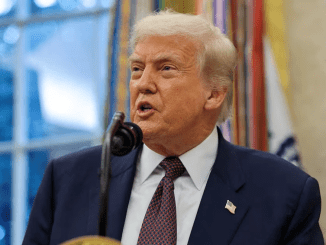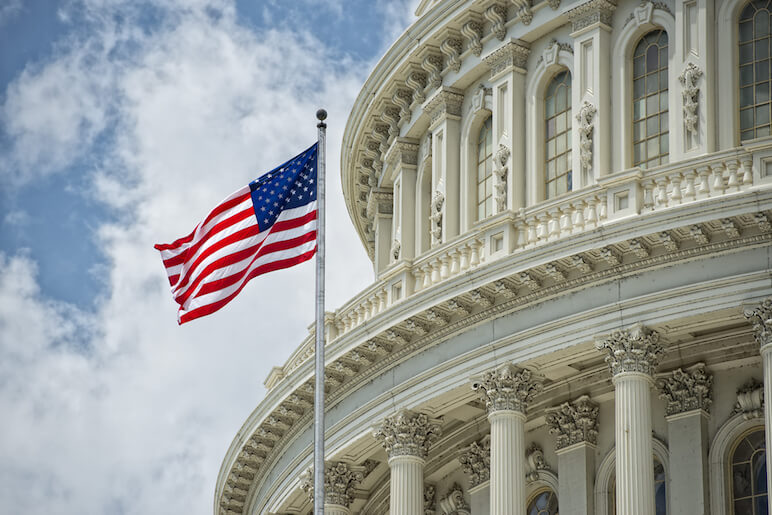
Recent developments have reignited discussions about the extent of corruption within the U.S. government, with many Americans expressing shock at its apparent depth. The phrase “draining the swamp,” popularized by President Donald Trump, has taken on new weight as investigations uncover layers of alleged misconduct. From historical scandals like the Teapot Dome to modern controversies, the U.S. has grappled with systemic issues, scoring 65 on Transparency International’s 2024 Corruption Perceptions Index, its lowest ever, ranking 28th globally.
High-profile cases fuel public outrage. Allegations of insider trading by 97 members of Congress between 2019 and 2021, exploiting committee influence, highlight persistent ethical lapses. The Supreme Court’s Citizens United decision, enabling $2.1 billion in super PAC spending in 2020, has raised concerns about corporate influence over lawmakers. Recent probes, like those targeting New York AG Letitia James and Rep. Adam Schiff, suggest political motivations, further eroding trust. The FBI, prioritizing public corruption, reports billions lost annually to fraud, impacting infrastructure and public services.
Historical parallels, like the Gilded Age’s political machines, show corruption is not new, but today’s polarized climate amplifies its visibility. Experts like Harvard’s Matthew Stephenson note that unlike developing nations, the U.S. benefits from a robust judiciary and free press, yet systemic issues persist. Reforms like the 1883 Pendleton Act took decades, suggesting change is slow. As investigations intensify, public disillusionment grows, with 65% of Americans believing most politicians are corrupt.
The fight against corruption remains a long slog, with no quick fix. As legal battles unfold, the nation confronts an uncomfortable truth: the “swamp” runs deeper than many imagined, challenging the integrity of democracy itself.