Kyiv, Ukraine – On June 1, 2025, Ukraine launched an unprecedented drone assault, codenamed “Operation Spider’s Web,” targeting Russian air bases and destroying or damaging over 40 strategic bombers—roughly 40% of Moscow’s fleet—according to Ukrainian officials. The audacious attack, which struck bases from Siberia to Murmansk, has drawn sharp condemnation from Trump ally Steve Bannon, who warned it risks dragging the U.S. into a “kinetic Third World War.” As tensions escalate ahead of peace talks in Istanbul, the strike underscores Ukraine’s defiance and raises global alarm over potential retaliation.
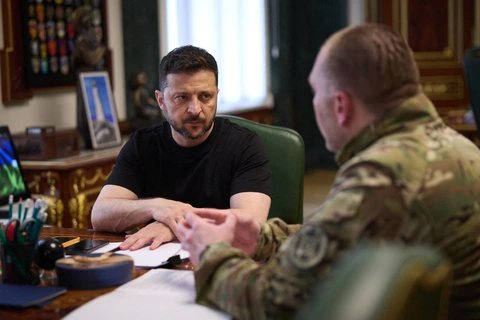
The operation, meticulously planned for 18 months under President Volodymyr Zelensky’s oversight, involved smuggling 117 first-person-view drones into Russia, hidden in truck-mounted wooden crates, per The New York Times. Launched remotely, the drones hit key bases, including Belaya in Irkutsk, over 2,500 miles from Ukraine, setting Tupolev Tu-95 and Tu-22M bombers ablaze, as verified by Reuters footage. Ukraine’s Security Service (SBU) claims the strikes inflicted $7 billion in damages, targeting aircraft used to launch cruise missiles on Ukrainian cities. Russia’s Defense Ministry admitted fires at Murmansk and Irkutsk bases but reported no casualties, claiming 316 drones were intercepted.
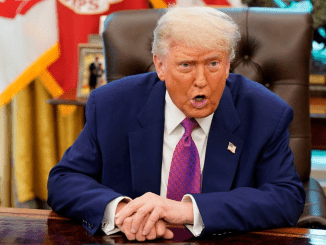
Bannon, on his “War Room” podcast, likened the attack to Japan’s Pearl Harbor strike, accusing Zelensky of escalating conflict “on the eve of ceasefire talks” in Turkey. He urged the Trump administration to condemn the strikes if unaware of them, warning, “Russia won’t just sit there and take it.” The Telegraph reported Bannon’s fear that the attack, coupled with deepening Russia-China ties, could spiral into global conflict. Some allies, like Jack Posobiec, speculated U.S. intelligence knew of the plans, though Axios confirmed Ukraine did not notify the Trump administration.
The strike’s timing, just before Monday’s Istanbul talks, complicates diplomacy. Ukraine’s delegation, led by Defense Minister Rustem Umerov, demands a “full ceasefire,” while Russia’s response remains muted, with state media downplaying the damage, per CBS News. Russian military bloggers, however, called it “Russia’s Pearl Harbor,” with some advocating nuclear retaliation, per Newsweek. Al Jazeera noted Russia may counter with missile strikes on Ukrainian civilian sites, potentially using hypersonic Oreshnik missiles.
The attack exposes Russia’s vulnerabilities, as its air defenses failed against low-cost drones, per The Economist. With only 16 operational Tu-160 bombers and no capacity to replace losses, per TWZ, Russia’s strategic aviation faces long-term setbacks. Ukraine’s technological edge, honed since 2022, contrasts with Moscow’s reliance on Soviet-era assets. Yet, the strike risks derailing Trump’s push for peace, with the administration pressuring both sides to negotiate, per The Guardian.
As global leaders watch, the drone assault marks a pivotal moment, balancing Ukraine’s bold resistance against the specter of escalation. Whether it forces Russia to the table or provokes retaliation, the world braces for the fallout.