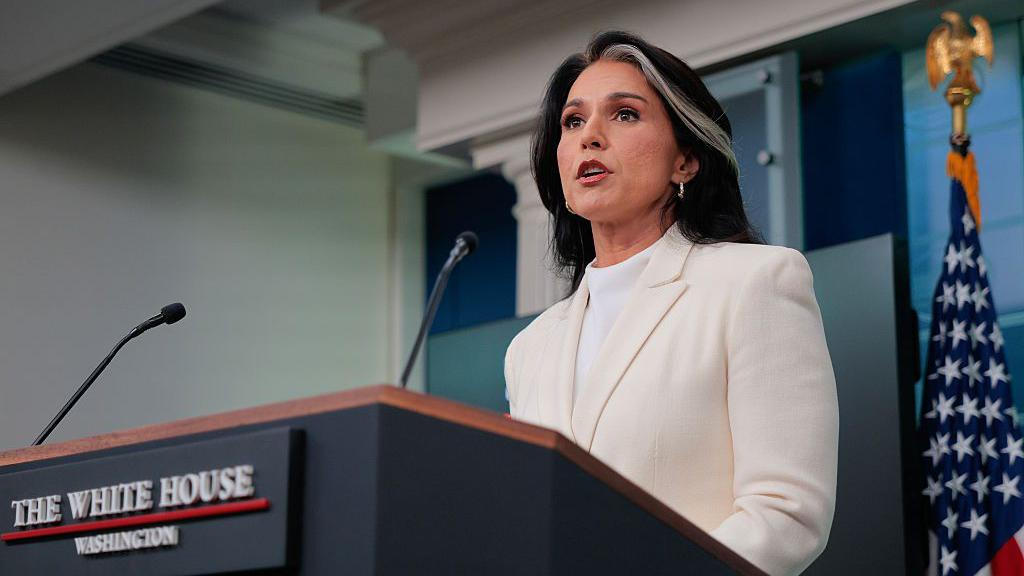
On July 20, 2025, Director of National Intelligence Tulsi Gabbard announced she has referred former President Barack Obama to the Department of Justice for criminal prosecution, alleging a “treasonous conspiracy” to undermine Donald Trump’s 2016 election victory. Speaking on Sunday Morning Futures, Gabbard claimed over 100 declassified documents show Obama and his national security team, including James Clapper, John Brennan, and Susan Rice, manipulated intelligence to falsely suggest Russian interference helped Trump win. She accused them of orchestrating a “years-long coup” to subvert Trump’s presidency, prompting her to turn over evidence to the DOJ.
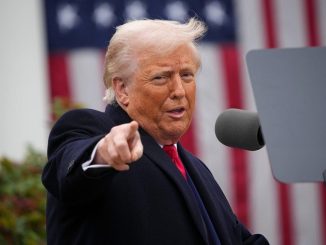
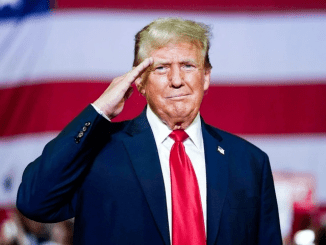
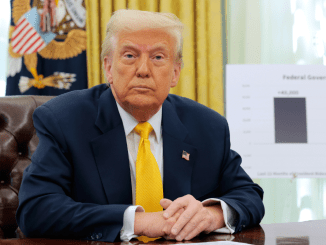
The allegations center on a December 2016 National Security Council meeting where Obama allegedly directed an intelligence assessment to frame Russia’s actions as election meddling. Gabbard’s report cites pre-election intelligence stating Russia was “probably not” using cyberattacks to alter votes, contrasting with later public claims. Trump amplified the narrative, sharing an AI-generated video of Obama’s arrest and calling him the “ringleader” of a “criminal” plot.
Democrats, including Senator Mark Warner, slammed Gabbard’s claims as “wildly misleading,” pointing to a 2020 bipartisan Senate report confirming Russia’s interference to aid Trump. Legal experts, like Neama Rahmani, argue the statute of limitations for 2016 actions has expired, and the Supreme Court’s 2024 immunity ruling shields former presidents for official acts. Obama’s office called the accusations a “distraction” from Trump’s Epstein files controversy.
Gabbard’s referral, which doesn’t guarantee DOJ action, has polarized observers. Supporters see it as exposing a “deep state” plot, while critics warn it risks politicizing justice. As Trump pushes his “America First” agenda, the move intensifies debates over accountability and historical narratives.