The Trump administration’s high-stakes oil agreement with Venezuela has produced its first major transaction, with a $500 million shipment of Venezuelan crude sold to U.S. refiners under the new framework established after Nicolás Maduro’s capture in January 2026. The deal, announced January 16, marks the initial step in what officials call a “rapid restart” of Venezuela’s oil industry, now under U.S.-backed interim governance.
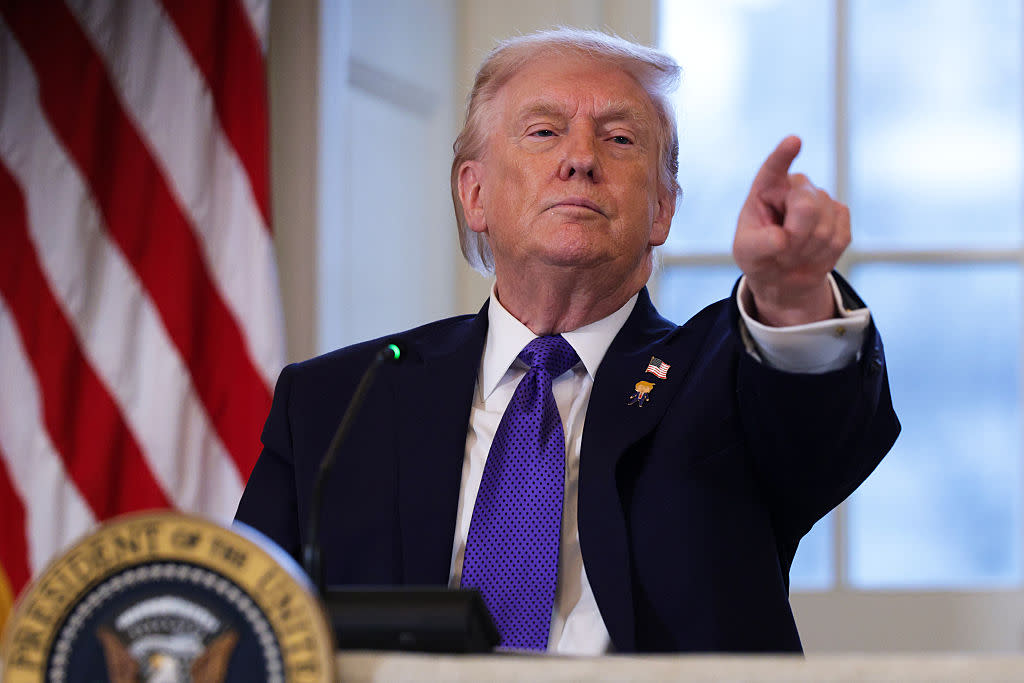
The sale involves heavy crude from the Orinoco Belt, processed at Gulf Coast refineries optimized for that grade. Administration sources say the revenue will fund infrastructure repairs, debt servicing, and transition costs, with a portion earmarked for humanitarian aid. President Trump hailed the transaction as proof that American leadership can unlock Venezuela’s vast reserves—estimated at over 300 billion barrels—while reducing reliance on adversarial suppliers.
The agreement allows select U.S. companies to invest in rebuilding pipelines, terminals, and production facilities, with the promise of reimbursement from future output. Energy analysts estimate the deal could eventually bring millions of barrels per day back online, potentially lowering global prices and boosting U.S. energy security. Supporters view it as a strategic masterstroke, turning a former adversary’s resources into an economic asset.
Critics, however, question the long-term viability and ethics of the arrangement. They warn that political instability, legal disputes over ownership, and international sanctions could derail progress. Some argue the U.S. is effectively subsidizing reconstruction while Venezuelan citizens remain in crisis.
As more shipments are prepared and investment talks continue, the $500 million sale stands as tangible evidence of the administration’s bold foreign policy gamble. Whether it delivers sustained benefits or becomes mired in controversy will shape perceptions of Trump’s approach to energy and geopolitics in his second term.