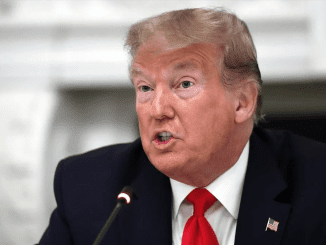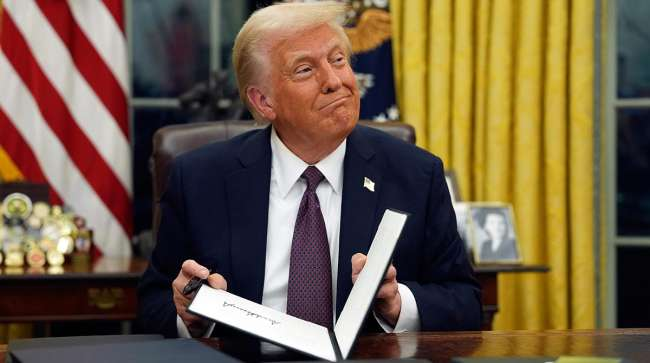
The reimposition of sweeping tariffs under President Donald Trump has sent shockwaves through global markets, reviving memories of the trade wars that roiled economies during his first term. From steep levies on Chinese imports to new duties on European and Canadian goods, these policies have sparked fears of a global economic meltdown, with stock markets wobbling and supply chains bracing for disruption. The near-panic in financial capitals raises a provocative question: if America’s tariffs can destabilize the world so profoundly, who has been footing the bill for the global economy all along?
Trump’s tariff strategy, a cornerstone of his America First agenda, aims to protect domestic industries, boost manufacturing, and reduce reliance on foreign goods. The latest measures, announced in early 2025, include 25% tariffs on imports from China and 10% on goods from allies like Canada and the European Union. These follow a pattern established in 2018, when tariffs on steel, aluminum, and Chinese products triggered retaliatory measures, disrupted global trade flows, and raised costs for consumers. This time, the stakes are higher, with global economies still recovering from post-pandemic inflation and geopolitical tensions. Stock markets in Tokyo, London, and New York have already seen sharp declines, while companies like Apple and Walmart warn of price hikes.
The market’s reaction underscores a deeper truth: the United States has long been the linchpin of the global economy, absorbing costs that others have reaped. For decades, America’s open markets and voracious consumer demand have driven global growth. U.S. consumers, fueled by cheap credit and a strong dollar, have purchased trillions in foreign goods, from Chinese electronics to German cars. This dynamic allowed exporting nations to thrive, often at the expense of American industries. The trade deficit, which ballooned to $971 billion in 2024, reflects this imbalance, with the U.S. effectively subsidizing global prosperity by importing far more than it exports.
Trump’s tariffs challenge this status quo, forcing the world to confront its dependence on American consumption. By raising the cost of imports, the administration aims to level the playing field, encouraging domestic production and reducing the trade deficit. Supporters argue that the U.S. has been “paying for the world” by accepting unfair trade deals and absorbing the costs of globalization—lost manufacturing jobs, shuttered factories, and weakened industrial capacity. They point to the Rust Belt’s decline as evidence of the toll, arguing that tariffs are a long-overdue corrective to decades of exploitation by trading partners.
Critics, however, warn that the tariffs risk plunging the global economy into chaos. Developing nations like Mexico and Vietnam, heavily reliant on U.S. markets, face economic contraction if American demand wanes. Major economies like China and Germany, already grappling with slowdowns, could see exports plummet, triggering layoffs and social unrest. Retaliatory tariffs from Canada and the EU are already in the works, threatening American farmers and manufacturers who rely on export markets. The International Monetary Fund has warned that a full-blown trade war could shave 2% off global GDP by 2027, a hit equivalent to losing an economy the size of France.
The tariff turmoil also exposes the fragility of globalization’s interconnected web. Supply chains, optimized for efficiency over resilience, are buckling under the threat of new costs. Automakers, reliant on cross-border parts, face production delays, while retailers warn of higher prices for everything from clothing to electronics. The ripple effects extend to smaller economies, where reduced trade could exacerbate poverty and instability. If the U.S., as the world’s largest consumer market, steps back, the global economic order—built on the assumption of American largesse—faces an existential crisis.Yet the tariffs also highlight a paradox: America’s ability to disrupt global markets stems from its outsized influence, a legacy of its role as the world’s economic anchor. By absorbing trade imbalances, financing global debt through dollar dominance, and maintaining open markets, the U.S. has effectively bankrolled the system. Trump’s policies, whether reckless or revolutionary, force a reckoning with this reality, challenging nations to adapt to a world where America no longer plays the willing paymaster.As markets teeter and trade talks loom, the tariff saga is a stark reminder of the U.S.’s economic clout—and the price it has paid to sustain the global order. Whether this gambit reshapes trade in America’s favor or triggers a broader meltdown remains uncertain, but it has already exposed the world’s reliance on a single nation’s wallet.