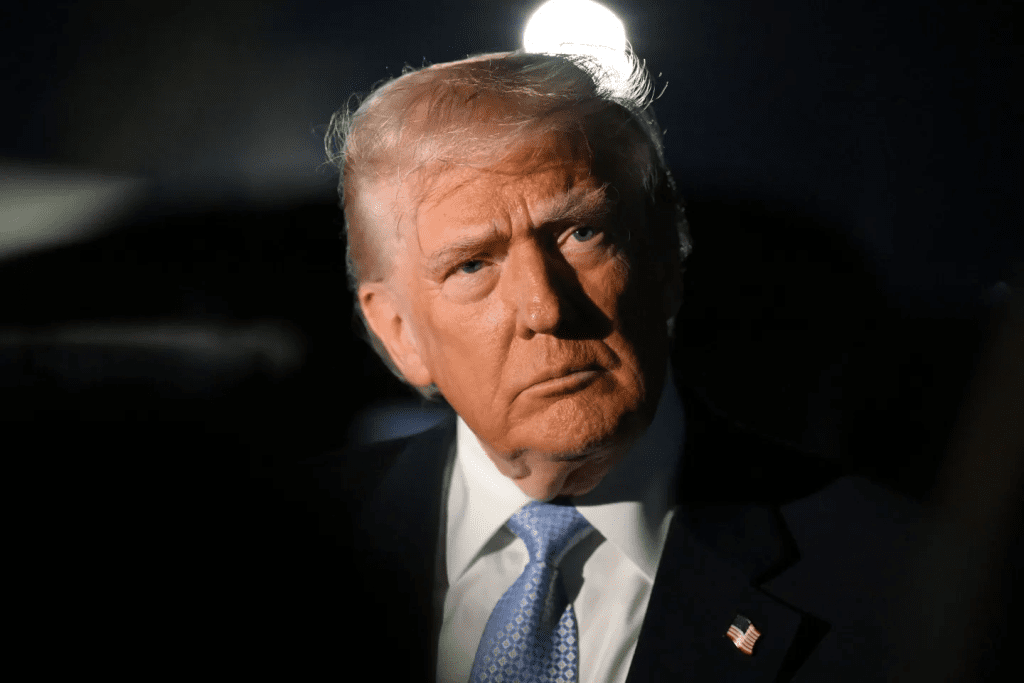
Washington, D.C. – President Donald Trump doubled down on his signature economic promise Monday, November 17, 2025, assuring Americans that $2,000 dividend payments funded by surging tariff revenues could land in mailboxes as early as mid-2026. Speaking to reporters in the Oval Office, Trump painted a vivid picture of fiscal relief: “We’re going to be issuing dividends later on, somewhere prior to, probably the middle of next year, a little bit later than that. Thousands of dollars for individuals of moderate income, middle income.”
The announcement builds on Trump’s November 9 Truth Social post, where he branded tariff skeptics “fools” and pledged at least $2,000 per eligible person, excluding high earners, from the “trillions” in duties collected. Treasury data shows $195 billion raked in through September, with projections hitting $216 billion for fiscal 2026—enough, Trump claims, to offset inflation and chip at the $37 trillion national debt. Targeted at households under $100,000 annually, the checks echo pandemic-era stimulus but with a protectionist twist, rewarding voters who backed his “America First” agenda.
Supporters in battleground states like Pennsylvania and Michigan are buzzing. “Finally, a check that fights back against grocery gouging,” said a Pittsburgh steelworker, echoing polls where 58% of non-college whites approve. Treasury Secretary Scott Bessent, on ABC’s “This Week,” floated flexibility—direct deposits or tax credits—while stressing congressional buy-in. The rollout aligns with nine framework trade deals, from Cambodia to Vietnam, that Trump says unlock U.S. exports without sacrificing leverage.
Skeptics abound. Economists at the Tax Foundation warn the math flops: Covering 150 million low- and middle-income adults would devour $300 billion, nearly double projected revenues. “It’s aspirational, not arithmetic,” quipped Erica York, noting tariffs ultimately hike consumer prices on imports like coffee and beef. Democrats, led by Sen. Elizabeth Warren, slam it as “trickle-up theater,” a distraction from the shutdown’s subsidy cliff that could spike health premiums for 20 million. Betting markets like Polymarket peg odds at 2% for checks by March 2026, amid Supreme Court whispers that could refund billions to importers.
As Trump’s second term dawns, these dividends dangle like a populist piñata: A mid-2026 bonanza to juice midterms, or fiscal fireworks fizzling under scrutiny? With affordability the electorate’s clarion call, the promise tests whether tariffs truly pay dividends—or just the piper.