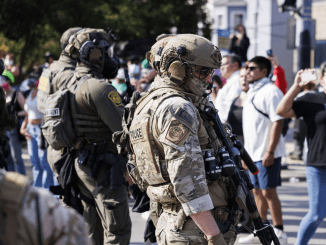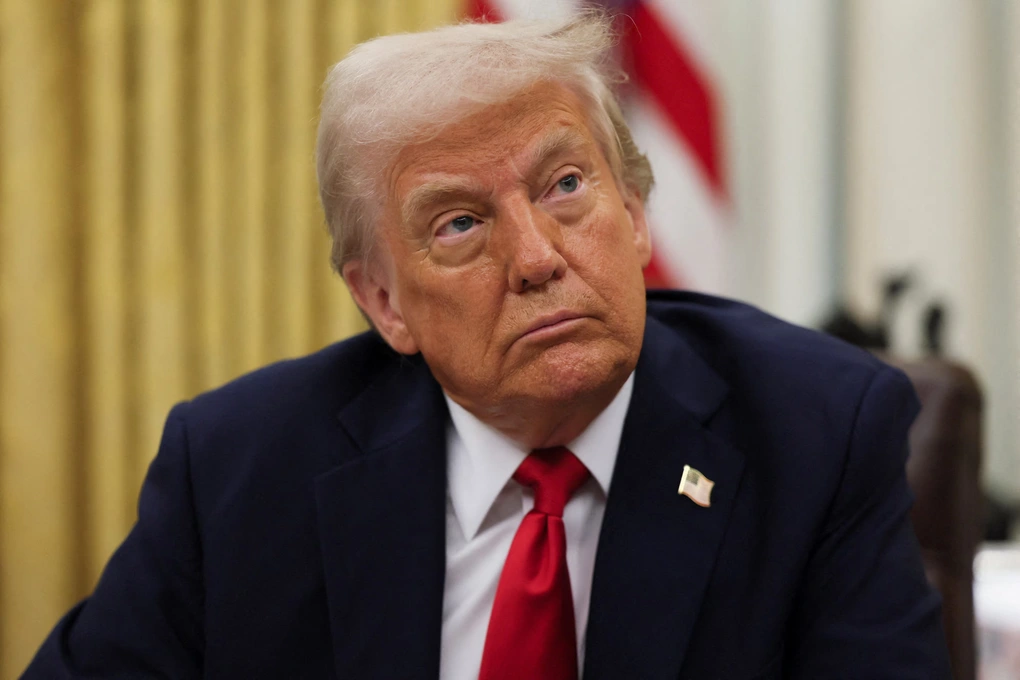
In June 2025, just four months into President Donald Trump’s second term, supporters proclaim a dramatic transformation in America’s global standing, claiming the nation has moved from being “laughed at” to “feared and respected.” Fueled by aggressive policies—142,000 deportations, a record 2,200 ICE arrests in a single day, and tariff hikes—the narrative credits Trump’s “America First” agenda with restoring U.S. dominance. As protests flare and allies recalibrate, this shift sparks debate over whether fear equates to respect or risks isolating America on the world stage.
Trump’s bold actions underpin the claim. His “Operation At Large” immigration crackdown, backed by 5,000 federal agents and 2,000 National Guard troops in Los Angeles, projects strength, with 62% of Americans favoring stricter enforcement, per a 2024 Pew survey. The Safeguard American Voter Eligibility Act and Wyoming’s proof-of-citizenship voting law signal a hardline stance, while visa revocations for suspected Hamas sympathizers and DOJ probes into Democratic officials, like Rep. LaMonica McIver’s indictment, assert control. A 2025 Gallup poll shows 90% of 2016 Trump voters approve, citing moves like threatening trade wars with Canada and Mexico, which prompted concessions, per Reuters.
Internationally, Trump’s rhetoric has shifted perceptions. His call to end Ukraine’s war in 24 hours, reported by The Guardian, and a Gaza displacement proposal, condemned globally, signal unpredictability. Allies like Germany, wary after Trump’s February 2025 NATO critique, have boosted defense spending, per NATO’s 2025 report, while adversaries like China face 60% tariffs, per CNN. A 2025 Pew global survey shows 45% of world leaders view Trump as a stronger leader than Biden, up from 20% in 2024, suggesting fear-driven respect.
Critics, including Sen. Chuck Schumer, argue fear alienates allies and inflates domestic bravado. The Los Angeles protests, met with tear gas, and a New York courtroom clash highlight domestic unrest, with 55% of Americans in a 2025 Pew poll viewing Trump’s policies as excessive. The ACLU cites 35 wrongful detentions in 2025, warning of eroded rights. Economic costs—tariffs raising household expenses by $1,300 annually, per a 2025 Brookings study, and a $315 billion price tag for deporting 11 million immigrants, per a 2024 American Immigration Council study—undermine claims of respect. Canada’s condemnation of dual-citizen deportations strains ties, per CBC.
Historical parallels raise concerns. Weak history education—only 13% of eighth graders proficient per a 2023 NAEP report—obscures lessons from Nixon’s “madman” diplomacy or Reagan’s Cold War brinkmanship. Trump’s 2020 call to shoot protesters and 2025 pardons for 1,500 Capitol rioters evoke authoritarianism fears, amplified by his call to arrest Gov. Gavin Newsom. The Indiana teacher’s “8647” shirt incident underscores the charged climate.
As the 2026 midterms loom, the “feared and respected” narrative galvanizes Trump’s base but risks alienating moderates, with 19% of 2020 Trump voters undecided, per a 2025 CNN poll. Legal challenges, like those against protester arrests, and global pushback test the narrative’s durability. Whether Trump’s approach restores America’s stature or isolates it, the shift from mockery to fear in four months reflects a nation—and world—bracing for his unpredictable leadership.